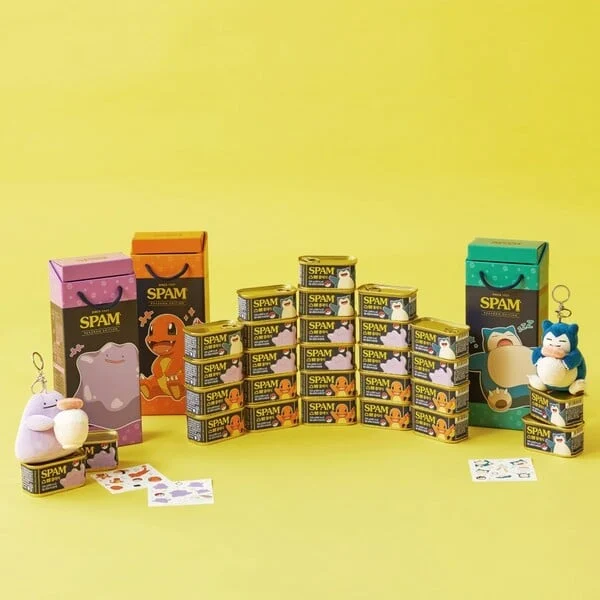
The Pokémon franchise has officially entered the competitive South Korean holiday gift market, announcing a strategic partnership with Spam to release limited-edition Chuseok gift sets. As the nation prepares for the Chuseok harvest festival—a major three-day holiday spanning September 24 to 26—this collaboration aims to capitalize on the deep-seated cultural significance of both the Pokémon brand and the canned meat product. The gift sets, which feature iconic characters such as Ditto, Snorlax, and Charmander, are currently available through digital retail channels including KakaoTalk Gift and CJ The Market for 63,700 won, approximately $47.40 USD.
The Cultural Significance of Chuseok and Gift-Giving
Chuseok, often referred to as the Korean Thanksgiving, is one of the most important traditional holidays in South Korea. It is a time when families travel to their hometowns to perform ancestral rites and share elaborate meals. Gift-giving is a cornerstone of the festival, serving as a gesture of gratitude and respect toward family, friends, and professional colleagues. Traditionally, these gifts consisted of agricultural goods like rice, dried fish, or high-end fruit baskets. However, in recent decades, the trend has shifted toward processed foods and convenient gift sets, with canned goods, cooking oils, and luxury meat sets becoming the industry standard.
The entry of a globally recognized intellectual property like Pokémon into this space reflects a sophisticated understanding of the modern South Korean consumer. By blending the nostalgic, high-value appeal of the Pokémon brand with a staple household product, the partnership targets both the younger demographic who grew up with the franchise and the older generation who value the practicality of the Spam gift sets.
A Historical Overview of Spam in South Korea
To understand why a canned meat product has become a luxury-adjacent gift item in South Korea, one must examine the post-war economic landscape. Spam arrived on the Korean peninsula during the 1950-1953 Korean War, largely through the United States military presence. In the immediate aftermath of the war, as the country struggled to rebuild its food supply, Spam became a vital source of protein. It was frequently obtained from military base surplus or discarded stock, eventually being integrated into local cuisine.
This history eventually evolved into a unique culinary identity. As South Korea experienced the "Miracle on the Han River"—the period of rapid economic growth starting in the 1960s—Spam transitioned from a necessity of survival to a comfort food. Today, it is an essential ingredient in dishes like budae-jjigae (army base stew) and kimchi-bokkeumbap (kimchi fried rice). The salty, savory, and shelf-stable nature of the product pairs exceptionally well with the acidity and spice of traditional Korean fermented vegetables, cementing its status as a staple in the Korean pantry.
The Evolution of the Gift Market
The commercialization of Spam as a premium gift item is largely credited to the marketing efforts of CJ CheilJedang, which manufactures and distributes the product in South Korea under a licensing agreement with Hormel Foods. During the 1990s, particularly in the wake of the Asian Financial Crisis, the middle class sought affordable yet substantial ways to maintain the tradition of gift-giving. Spam sets emerged as the ideal solution: they are perceived as reliable, high-quality, and aesthetically packaged, yet remain significantly more affordable than the traditional, high-end hanwoo (Korean beef) or ginseng sets.
This marketing strategy has been so successful that Spam has become one of the most popular items in the South Korean gift-giving hierarchy. According to industry data, sales of Spam gift sets spike significantly twice a year: during the Chuseok season and the Seollal (Lunar New Year) holidays. The addition of character branding—such as the current Pokémon integration—is a calculated move to further differentiate these sets in a crowded retail environment.

Strategic Implications of the Pokémon Collaboration
The partnership between The Pokémon Company and CJ CheilJedang represents a fusion of "pop-culture marketing" and traditional retail logistics. By utilizing platforms like KakaoTalk Gift, the collaboration leverages the mobile-first nature of South Korean shopping habits. KakaoTalk Gift, in particular, has revolutionized the way Koreans exchange presents, allowing users to send goods directly to a recipient’s address using only their phone number.
From a brand perspective, Pokémon’s involvement is not merely aesthetic. The franchise has consistently demonstrated its ability to transcend generations in the Asian market. By placing characters like Snorlax—who is synonymous with eating and sleeping—on food products, the branding feels organic rather than forced. The use of limited-edition packaging creates a "collector’s item" effect, which encourages consumers to purchase the sets not only for their contents but for the physical keepsake potential of the tins and boxes.
Economic and Retail Context
The retail price of 63,700 won places these sets in the mid-range of the holiday gift market. While individual cans of Spam are inexpensive, the "gift set" format adds a premium for the packaging and the limited-edition collaboration branding. For the retailer, this provides higher margins than standard grocery sales. For the consumer, it provides a "safe" gift choice that carries enough novelty to be memorable, yet enough utility to be useful.
Analysts suggest that such collaborations are becoming increasingly vital for legacy brands in the consumer packaged goods (CPG) sector. As younger generations become more detached from traditional gift-giving norms, infusing brands with cultural touchstones like anime, gaming, or trending digital motifs acts as a bridge, ensuring the products remain relevant. The move also serves to reinforce the "premiumization" of canned goods, a trend that has seen canned meat sales remain robust despite economic fluctuations.
Industry Reaction and Future Outlook
While official statements from the parties involved focus on the celebratory nature of the partnership, market observers point to the successful integration of global entertainment brands into local food systems as a model for future campaigns. The "Pokémon x Spam" collaboration is part of a broader trend where major franchises (including Sanrio, Kakao Friends, and Line Friends) are increasingly appearing on everything from household detergents to health supplements.
The success of this launch will likely be measured by the speed at which these sets sell out on the KakaoTalk platform. If the current trajectory holds, the inventory is expected to be depleted well before the Chuseok holiday concludes. For the Pokémon franchise, the partnership is a low-risk, high-visibility move that strengthens its presence in the daily lives of Korean consumers. For Spam, it secures the brand’s position as a modern, culturally relevant gift item, successfully distancing itself from the "commodity" label often associated with canned goods in Western markets.
Conclusion
The collaboration between Pokémon and Spam for the 2026 Chuseok festival is a definitive case study in modern marketing. It successfully marries a mid-century staple with a 21st-century entertainment powerhouse, catering to the unique cultural requirements of the South Korean holiday season. By tapping into the dual drivers of nostalgia and practical luxury, the partnership ensures that the tradition of Chuseok gift-giving continues to evolve, keeping pace with the changing preferences of the modern consumer while respecting the historical foundations that made Spam a permanent fixture of the Korean culinary landscape. As the festival approaches, the presence of Snorlax and his companions in gift aisles across the country serves as a reminder of how effectively global brands can integrate themselves into the local customs of the markets they enter.