The television industry reached its annual apex as the Television Academy revealed the official winners for the 78th Primetime Emmy Awards, honoring the finest television programming, performances, and creative achievements of the 2025–2026 broadcast and streaming calendar. With the complete rollout of major category victors, alongside the results of the Creative Arts Emmy Awards held during the preceding weekend, the television community has gained a comprehensive look at the critical consensus dominating the contemporary Golden Age of television. As industry analysts, prognosticators, and passionate viewers pore over the results, the 78th Emmy cycle has cemented the dominance of both seasoned prestige dramas and breakout streaming sensations while offering notable surprises across several high-profile categories.
Main Facts and Category Victories
The 78th Primetime Emmy Awards ceremony showcased a compelling mix of established powerhouses and fresh critical darlings. In the comedy domain, the race proved fiercely competitive, pitting critical favorites like Hacks, The Bear, and Abbott Elementary against buzzy newcomers. Ultimately, it was Widow’s Bay that captured the coveted trophy for Outstanding Comedy Series, steering momentum away from predictable outcomes and signaling a shift in voter preference toward breakout ensemble storytelling.
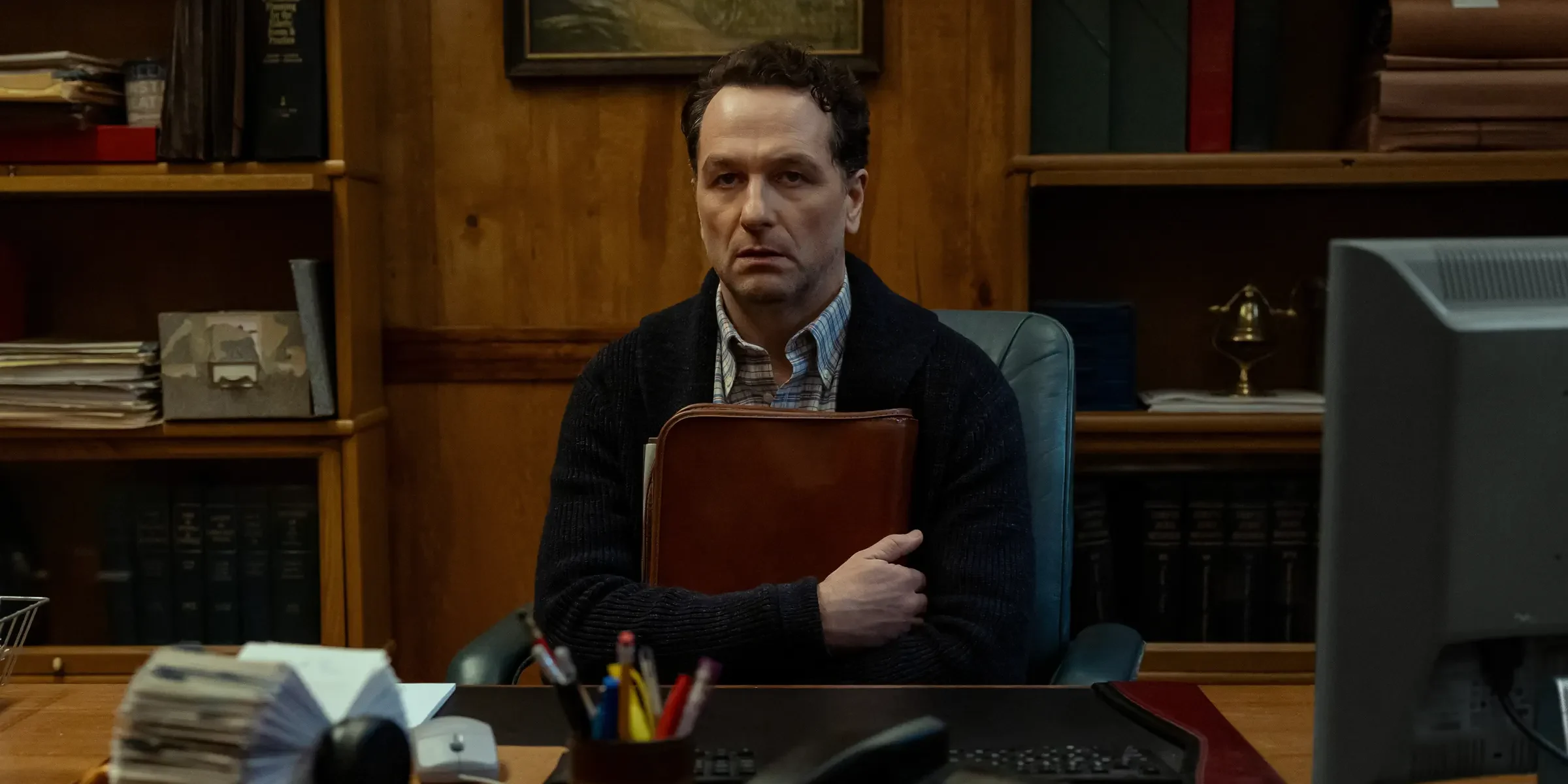
Individual acting victories in the comedy categories further highlighted the depth of the field. Jean Smart secured yet another career milestone, taking home the award for Outstanding Lead Actress in a Comedy Series for her tour-de-force work in Hacks. Meanwhile, Matthew Rhys crossed over into comedic recognition by claiming the prize for Outstanding Lead Actor in a Comedy Series for his stellar turn in Widow’s Bay. The supporting comedy races underscored the rich ensemble dynamics of the nominated programs, with Kate O’Flynn (Widow’s Bay) and Stephen Root (Widow’s Bay) dominating their respective supporting categories, while Hiro Murai earned praise for his work in the Outstanding Directing for a Comedy Series category, and Katie Dippold took home the writing award for Widow’s Bay.
The dramatic landscape offered its own share of historic triumphs and emotional resonance. Outstanding Drama Series went to The Pitt, a series that captured the cultural zeitgeist and resonated deeply with television academy voters. Noah Wyle cemented his legacy within medical and dramatic television by capturing the award for Outstanding Lead Actor in a Drama Series for The Pitt, anchoring the series with a performance that defined the dramatic season. In the Outstanding Lead Actress in a Drama Series category, Rhea Seehorn achieved a long-awaited and widely celebrated victory for her transcendent work in Pluribus, an accomplishment that thrilled critics and fans who had long championed her versatile dramatic talents.
Supporting and creative dramatic fields recognized top-tier talent across multiple networks and platforms. Allison Janney delivered a masterclass in political and interpersonal tension, earning Outstanding Supporting Actress in a Drama Series for The Diplomat, while Tom Pelphrey captured the trophy for Outstanding Supporting Actor in a Drama Series for his gripping work in Task. Directing and writing accolades in the drama categories went to Saul Metzstein for his immaculate pacing and visual command on Slow Horses, and Vince Gilligan, who added to his legendary resume by winning Outstanding Writing for a Drama Series for Pluribus.
In the Limited or Anthology Series and Television Movie arenas, DTF St. Louis emerged victorious as Outstanding Limited Series, navigating a crowded field that included prominent titles like Beef (Season 2) and All Her Fault. The acting accolades in limited formats showcased veteran prestige; Sally Field earned critical acclaim and captured the award for Outstanding Lead Actress in a Limited Series/Anthology/TV Movie for Remarkably Bright Creatures, while Matthew Rhys completed a remarkable double-nominee triumph by securing Outstanding Lead Actor in a Limited Series/Anthology/TV Movie for his chilling and complex work in The Beast in Me.
Rounding out the major non-scripted categories, The Late Show with Stephen Colbert triumphed in the hyper-competitive Outstanding Variety Series race, maintaining late-night television’s cultural footprint. In the realm of reality and unscripted competition, The Traitors captured the trophy for Outstanding Competition Series, reflecting the massive audience shift toward strategic psychological gameplay formats.
Chronology of the 78th Emmy Season
The path to the 78th Primetime Emmy Awards followed a meticulously structured timeline designed to evaluate a massive volume of eligible television content. The eligibility period for the 2026 Emmys spanned from June 1, 2025, through May 31, 2026, capturing a full year of seasonal premieres, mid-season drops, and streaming event series.
Following the close of the eligibility window, the Television Academy initiated the nomination-voting phase in mid-June 2026. Industry professionals across all peer groups cast their ballots to narrow down the sprawling slate of submissions. The official nominations for the 78th Primetime Emmy Awards were broadcast globally in July 2026, setting off months of intense campaigning, precursor events, and critical discourse among industry guilds and prognosticators.
The logistical peak of the Emmy season began with the Creative Arts Emmy Awards, which took place over the weekend of September 5th and 6th, 2026. These ceremonies recognized technical achievements, guest acting performances, documentary programming, animation, and craft categories, establishing early momentum for the series that would later convert nominations into major wins during the primary ceremony.
The culmination of the awards cycle arrived with the 78th Primetime Emmy Awards ceremony, broadcast live on September 14, 2026. The gala event brought together Hollywood’s elite, showrunners, network executives, and creative talent to celebrate the definitive artistic high points of the television year.
Supporting Data and Industry Context
The volume of eligible programming for the 78th Primetime Emmy Awards reflects an evolving media landscape characterized by the proliferation of subscription video-on-demand (SVOD) platforms, fast-growing advertising-based video streaming tiers, and resilient cable and broadcast networks. Industry data compiled ahead of the voting window indicated a stabilization in total scripted series production following post-strike contractions in prior years, with networks and streaming services prioritizing high-impact limited series and returning tentpole franchises.
Genre diversification remained a key hallmark of the 2026 cycle. While traditional network sitcoms and single-camera workplace comedies continued to maintain a strong presence—typified by perennial contenders like Abbott Elementary—hybrid comedic formats and genre-bending narratives captured a disproportionate share of top nominations. Similarly, the drama categories reflected an appetite for high-stakes professional procedurals, international espionage thrillers, and ambitious speculative fiction, as evidenced by the widespread recognition for titles such as Slow Horses, The Pitt, and Pluribus.
Official Responses and Stakeholder Reactions
While individual acceptance speeches at the Microsoft Theater (or equivalent venue) provided immediate emotional highlights, statements issued by network executives, studio heads, and peer group leaders following the announcements reflected broader institutional pride.
Representatives from winning production studios emphasized the collaborative nature of contemporary television production, noting that the complex logistics of modern storytelling require unprecedented coordination between writers’ rooms, on-set production units, and post-production editorial teams. Creators and showrunners whose series triumphed in major categories expressed gratitude to the Television Academy voting body for recognizing risk-taking narratives and character-driven storytelling over purely algorithmic formulas.
For streaming platforms and traditional networks alike, Emmy wins serve as vital promotional currency. Industry analysts noted that victories in marquee categories such as Outstanding Comedy Series, Outstanding Drama Series, and Outstanding Limited Series directly influence subscriber retention, international distribution licensing fees, and future project greenlights. Studios behind breakout hits like Widow’s Bay and The Pitt anticipated immediate boosts in viewership metrics as audiences sought out the newly crowned champions of the television landscape.
Broader Impact and Implications for the Television Industry
The results of the 78th Primetime Emmy Awards carry significant implications for the future direction of television development and commissioning strategies. By rewarding projects that balance critical acclaim with distinct cultural resonance, the Academy has signaled that originality and strong authorial voices remain the gold standard for premium television.
The success of mid-tier breakout series over legacy juggernauts in several major categories demonstrates that voters are increasingly willing to anoint new creative forces. This dynamic encourages risk-taking among network programmers and streaming executives who might otherwise lean exclusively on established intellectual property. Furthermore, the recognition of veteran actors in transformative lead and supporting roles reinforces the enduring value of seasoned star power combined with exceptional writing.
As the industry pivots toward the upcoming television season, the victors of the 78th Primetime Emmy Awards set a high bar for excellence. Networks and streaming services will undoubtedly analyze voting patterns from this cycle to refine their awards-season strategies, ensuring that the relentless pursuit of artistic distinction remains central to the evolution of the medium.