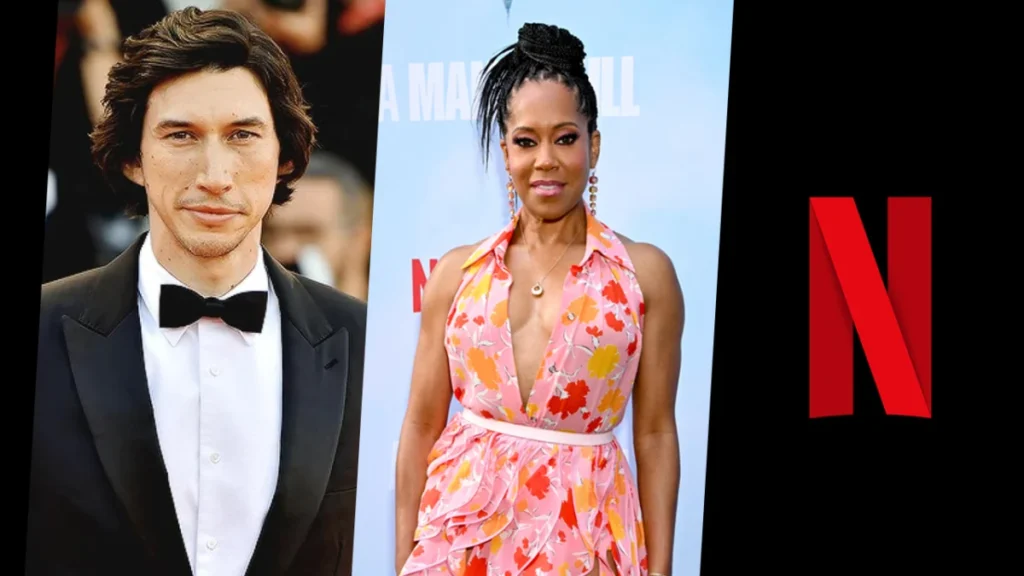
The 78th Primetime Emmy Awards concluded at the Peacock Theater in Los Angeles with a seismic shift in the streaming hierarchy, as industry pioneer Netflix recorded its lowest trophy haul in more than ten years. Despite entering the prestigious ceremony holding a formidable 111 nominations across 34 distinct new and returning titles, the streaming giant ultimately secured just 16 wins across both the primary telecast and the Creative Arts ceremonies.
This performance represents a sharp decline for a platform that has routinely dominated television’s highest honors. In the previous year, Netflix captured 30 statues out of 120 nominations, and secured 24 wins out of 107 nominations in 2024. Consequently, the network leaderboard for 2026 pushed Netflix down to a third-place finish, ceding the premier spots to fierce competitors Apple TV+ and HBO Max. Industry analysts point to a fragmented content strategy and the absence of a singular cultural juggernaut as primary factors behind the downturn, raising strategic questions for the company’s future awards campaigns.
A Historical Decline: Tracing Netflix’s Emmy Trajectory
To fully understand the magnitude of Netflix’s 2026 performance, one must examine the platform’s historical footprint at the Primetime Emmy Awards. Netflix’s journey into prestige television began modestly. In 2013, the platform earned its first major breakthrough with 14 nominations and 3 wins, signaling the dawn of the streaming era in traditional Hollywood circles.
Over the ensuing decade, Netflix aggressively scaled its production output, transforming from a disruptive upstart into an awards-season heavyweight. By 2017, the streamer broke into the double digits for wins with 20 trophies from 97 nominations. The pinnacle of this era occurred in 2021, when Netflix achieved a historic high of 44 wins out of 129 nominations, largely propelled by runaway cultural phenomena such as The Crown and The Queen’s Gambit.
However, the years following 2021 revealed a fluctuating conversion rate. While nominations remained consistently high—hovering above the 100-mark annually—the actual trophy counts began to normalize. The 2026 haul of 16 wins from 111 nominations translates to a modest 14% conversion rate. This performance mirrors the lean years of the mid-2010s rather than the dominant era of the early 2020s, underscoring a broader industry trend where Television Academy voters are increasingly consolidating their support behind targeted, prestige-driven programming from rival networks.
Category Analysis: What Succeeded and What Stumbled
Despite the overall dip in total wins, Netflix still managed to secure notable victories in specific categories, proving that its talent relationships and targeted investments retain considerable potency.
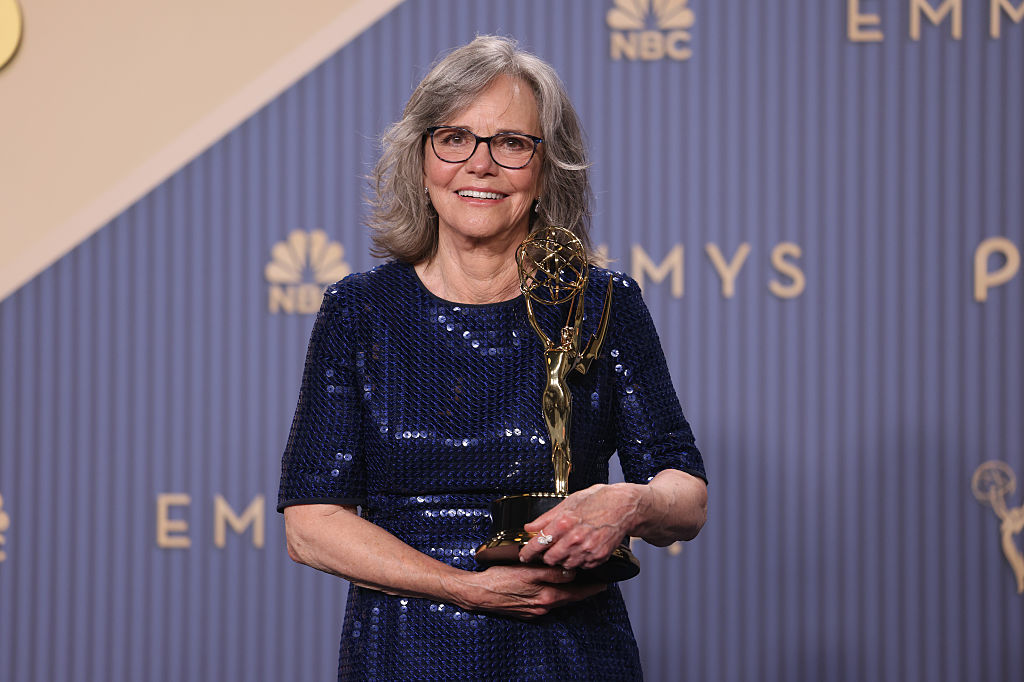
The limited series and television movie categories proved to be the platform’s strongest sanctuary. Matthew Rhys delivered a standout performance, capturing the coveted Outstanding Lead Actor in a Limited or Anthology Series or Movie award for his gripping work in The Beast in Me. Similarly, Hollywood legend Sally Field added another accolade to her storied career, winning Outstanding Lead Actress in a Limited or Anthology Series or Movie for her acclaimed performance in Remarkably Bright Creatures. Furthermore, Remarkably Bright Creatures secured the prestigious Outstanding Movie award, reinforcing Netflix’s ongoing commitment to made-for-streaming feature films at a time when most traditional studios have largely abandoned the format for theatrical releases.
In the unscripted and nonfiction sectors, Netflix maintained its formidable standing. The docuseries Love on the Spectrum enjoyed a phenomenal evening, sweeping the categories for Outstanding Unstructured Reality Program, Casting, and Picture Editing. Additionally, the drama division delivered a surprising highlight when Allison Janney clinched the award for Outstanding Supporting Actress in a Drama Series for her nuanced performance in The Diplomat. Industry experts had previously assigned Janney less than a 2% statistical probability of winning, making her victory one of the most unexpected and celebrated moments of the night.
Conversely, the areas of underperformance exposed critical vulnerabilities in Netflix’s current programming lineup. Most notably, the platform was entirely shut out of the flagship series categories, failing to secure wins for Outstanding Drama Series or Outstanding Comedy Series. Even within the limited series arena—a traditional stronghold for the streamer through past hits like BEEF—Netflix lost the top prizes to HBO and Apple TV+, the latter of which emerged as the undeniable darling of the evening with its breakout hit Widow’s Bay.
Behind these losses lies a structural shift in Netflix’s catalog. Over the past several years, the company has leaned heavily into closed-ended limited series while allowing its veteran scripted dramas to approach their natural conclusions. Consequently, the pipeline for returning, critically acclaimed drama series has thinned, leaving the platform with fewer multi-season heavyweights capable of sustaining prolonged awards momentum.
Industry Implications and Strategic Shifts
The outcome of the 78th Primetime Emmy Awards serves as a bellwether for the maturation of the streaming wars. As legacy media companies and technology conglomerates refine their direct-to-consumer models, the competitive landscape has evolved from a race for sheer volume to a calculated pursuit of critical prestige.
For Netflix, the 2026 results are expected to prompt internal evaluations regarding content curation and awards-season spending. While the platform continues to attract top-tier talent and secure broad nominations, the low conversion rate suggests that a scattershot approach—spreading 111 nominations across 34 disparate titles—may dilute voter focus. Unlike prior years, when singular cultural phenomena like Squid Game or The Crown galvanized the entire voting body, the 2026 slate lacked an undeniable flagship anchor to unify the streamer’s campaign.
Industry observers suggest that Netflix may recalibrate its strategy moving forward, potentially shifting focus toward more concentrated, high-impact prestige projects designed to resonate deeply with Television Academy voters. As Apple TV+ and HBO Max solidify their reputations as destinations for high-end serialized storytelling, Netflix faces mounting pressure to adapt its prestigious drama pipeline to maintain its competitive edge in the upper echelons of television excellence.