
The stakes reached a fever pitch on Tuesday, September 15, 2026, as America’s Got Talent entered its critical Season 21 Semifinals phase. Twelve of the most compelling acts from the current season returned to the stage, each vying for one of the six coveted positions in the upcoming grand finale. With a $1 million grand prize and a career-defining headline show in Las Vegas on the line, the atmosphere inside the studio was charged with both competitive intensity and the high-production spectacle that has defined the franchise for over two decades.
The evening’s broadcast, aired on NBC, showcased a diverse array of talent, ranging from high-energy acrobatic troupes to intricate musical performances. As the competition narrows, the margin for error has diminished significantly, placing immense pressure on the performers to deliver flawless routines.
The Judicial Panel and Production Adjustments
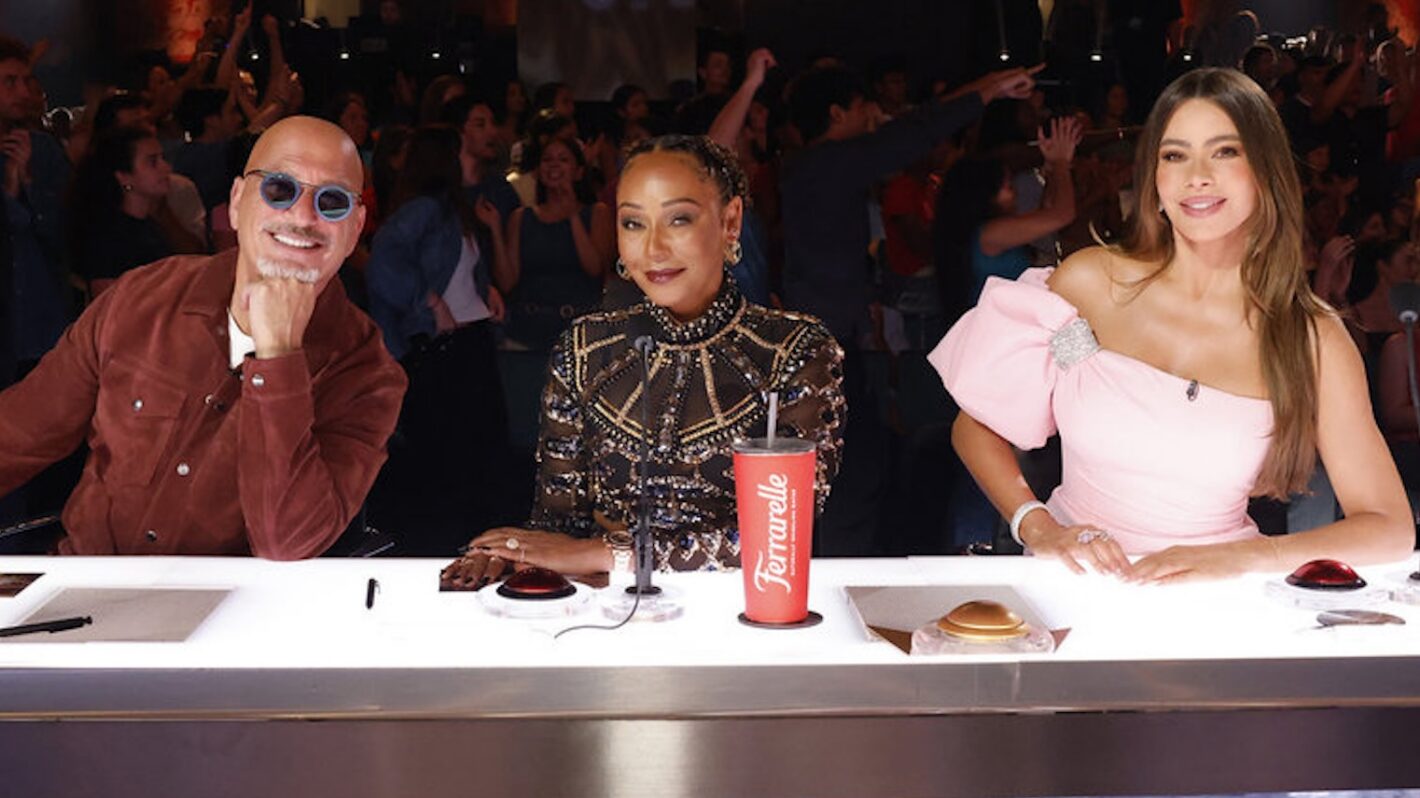
For this leg of the competition, the judging panel remained consistent with the previous quarterfinal rounds. Howie Mandel, Mel B., and Sofía Vergara presided over the performances, offering critical feedback that balanced encouragement with technical assessment. The absence of series mainstay Simon Cowell continued to be a focal point of the production. Cowell, who is currently sidelined while recovering from a medically necessary back surgery, has been absent from the live shows throughout this segment of the season.
The production team has navigated this absence by maintaining the trio of judges, who have collectively leaned into a more collaborative dynamic. While Cowell’s absence is felt in the critical depth of the feedback, the remaining judges have effectively stepped into roles that emphasize performance value and audience appeal. Host Terry Crews, ever the master of ceremonies, opened the evening by explicitly outlining the gravity of the situation: only half of the 12 acts would survive the night to move forward.
The Power of the Public Vote
In a departure from earlier rounds, the mechanics of advancement have shifted entirely toward the viewers. As Terry Crews underscored at the start of the broadcast, there are no "Golden Buzzers" left to save an act from a poor performance or to fast-track a favorite. The decision-making power has been transferred exclusively to the home audience, highlighting the democratic nature of the series’ modern format.
The voting window is strictly defined, closing on Wednesday, September 16, at 7 a.m. ET. Fans have been provided multiple channels to influence the outcome, including the official NBC website, the AGT mobile application, and digital engagement via the show’s official TikTok presence. This multi-platform approach reflects a broader trend in reality television, where social media integration is no longer supplementary but central to the engagement metrics and the perceived legitimacy of the results. The official results will be unveiled during the subsequent live broadcast on Wednesday at 8/7c.
Performance Spotlight: The Acro Canine Crew
One of the most notable performances of the evening came from the Acro Canine Crew. The group, which has consistently impressed judges and audiences alike throughout Season 21, utilized the semifinals to raise the stakes of their choreography. By introducing an additional canine member to their routine, the troupe increased the complexity of their timing and spatial coordination.
Set to the upbeat rhythm of Cyndi Lauper’s "Girls Just Want To Have Fun," the performance was a masterclass in controlled chaos. The integration of high-level acrobatics by the human trainers, seamlessly interwoven with precision dog tricks—including coordinated jumps and maneuvers over the trainers—demonstrated a level of discipline that sets them apart from traditional animal acts.
The judicial reaction was overwhelmingly positive. Mel B. lauded the act for its originality, noting that it deviated significantly from the historical tropes often associated with dog-centric acts on the program. Sofía Vergara, visibly captivated, remarked that the entertainment value was so high she could watch the group perform for days. Howie Mandel, known for his penchant for unique, high-energy variety acts, went as far as to label them his favorite performance of the night. This kind of high praise from the panel serves as a crucial barometer for voter sentiment, often predicting which acts will secure the highest volume of public support.
Contextualizing the Season 21 Competition
Season 21 of America’s Got Talent marks a significant milestone in the show’s history, reinforcing its status as a cornerstone of primetime entertainment. Since its inception, the show has served as a global stage for "variety" acts that are often ignored by traditional talent competitions focusing solely on singing or dancing.
The current crop of contestants represents a wide cross-section of the global performing arts community. From technology-driven visual arts to traditional circus disciplines, the breadth of talent in the semifinals highlights the show’s ongoing commitment to the "variety" format. Economically, the impact of reaching the finals on this stage is substantial. Beyond the $1 million cash prize, the finalists gain access to a publicity engine that often results in long-term residency deals in Las Vegas and international touring opportunities.

Broader Implications and Strategic Analysis
The shift to a viewer-only voting system in the semifinals is a strategic move designed to maximize audience retention and engagement. By removing the "safety net" of the Golden Buzzer, the show heightens the stakes, forcing contestants to connect more deeply with the voting public rather than simply satisfying the individual tastes of the judges.
Data from previous seasons suggests that acts with high social media engagement—specifically those that produce "viral" moments—tend to fare better in the final rounds. This puts pressure on acts to prioritize visual flair and emotional resonance. Furthermore, the reliance on digital voting platforms suggests that the demographics of the voting audience are trending younger, favoring acts that translate well to short-form video content like TikTok.
As the industry continues to evolve, the ability of a performer to command a digital audience has become as important as their technical proficiency. The acts that succeed in this environment are those that can bridge the gap between traditional stage performance and digital content creation.
Looking Toward the Finale
With the semifinals now in full swing, the focus shifts to the upcoming results show. The elimination of six acts will drastically reshape the narrative of the season, leaving the remaining six to face off in the ultimate showdown.
The logistical challenges of producing a show of this scale, particularly under the constraints of a major judge’s absence, have tested the resilience of the AGT production team. Yet, the series continues to draw millions of viewers, proving that the format remains a potent force in American television. The upcoming finale is expected to be one of the most competitive in recent memory, as the remaining contenders have survived multiple rounds of elimination to reach this threshold.
As the voting window nears its conclusion, the industry will be watching to see which acts command the largest share of the public vote. For the contestants, this is the final hurdle. The difference between a lifetime of career momentum and a return to obscurity often hinges on the results announced this Wednesday. For the viewers, the power lies in their hands to dictate the next chapter of the season’s story. Whether the audience favors the technical precision of acrobatic teams or the heart-centered appeal of musical and animal acts remains the great uncertainty of the Season 21 cycle. As the curtain falls on the semifinals, one thing is certain: the competition is no longer about potential; it is about who can deliver when the lights are brightest.