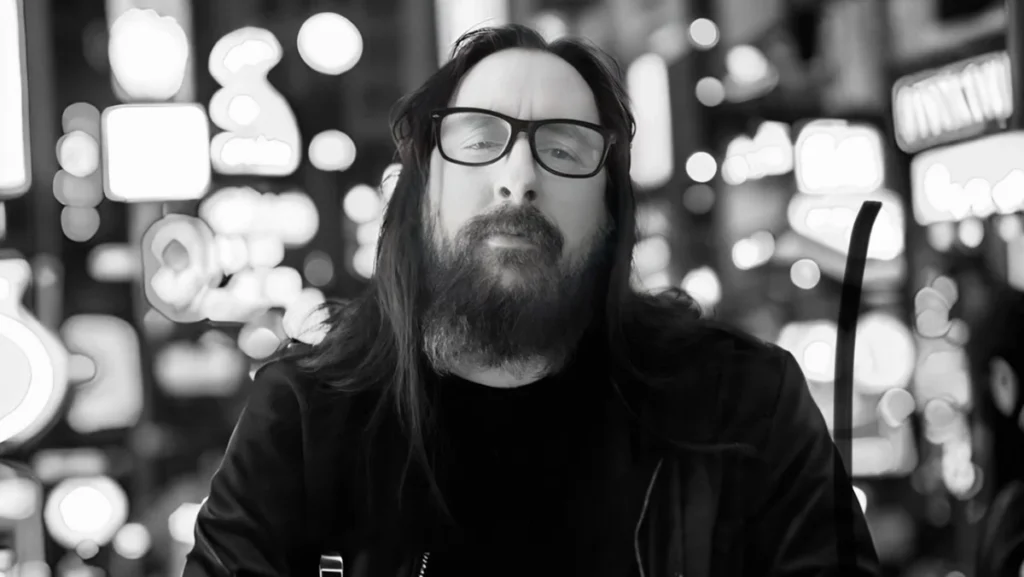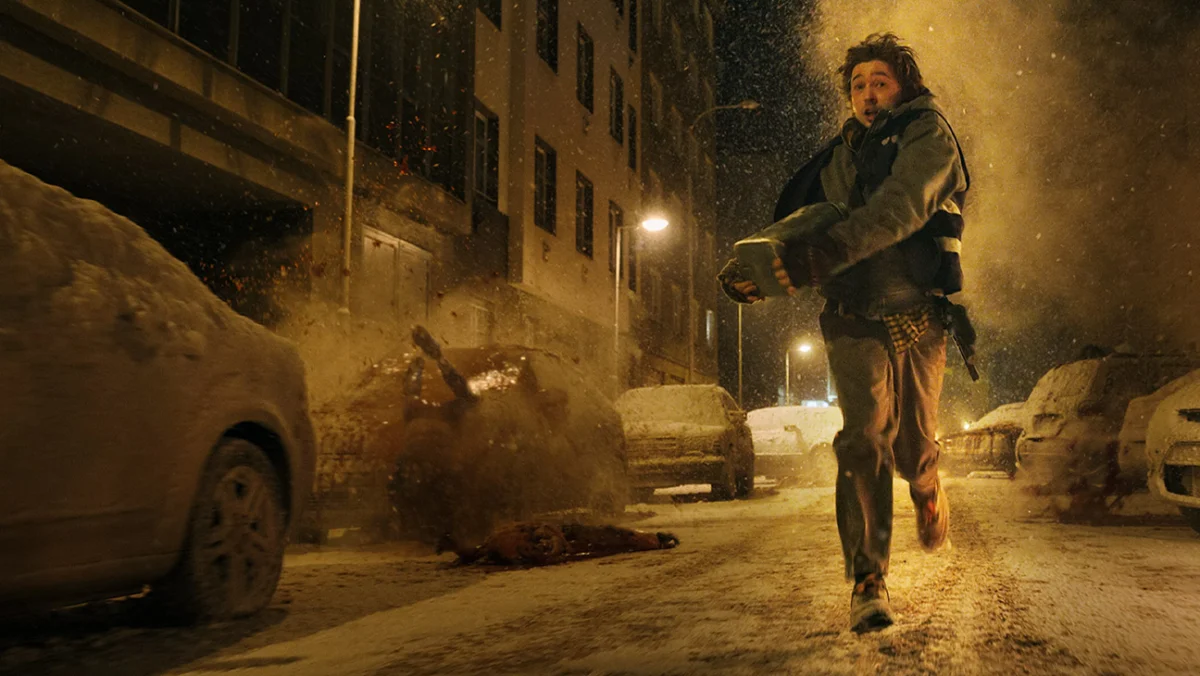
The iconic survival horror franchise Resident Evil has officially returned to the cinematic landscape, marking Sony’s second major attempt at a theatrical reimagining of the long-running video game property. Following a high-profile world premiere at The United Theater in Los Angeles this past Tuesday, the film—directed by Zach Cregger, the creative force behind the critical and commercial success of Barbarian—has begun to generate significant buzz. While full critical reviews remain under an embargo until 9 a.m. PT on September 16, early social media reactions from industry professionals and festivalgoers suggest that this iteration may finally provide the tonal balance that fans have long sought.
A Legacy of Adaptation and Iteration
The history of Resident Evil on screen is one of prolific output and fluctuating reception. The franchise’s first major foray into live-action cinema began in 2002 under the direction of Paul W.S. Anderson, starring Milla Jovovich. That series proved to be a global phenomenon, spawning six installments over fourteen years: Resident Evil (2002), Apocalypse (2004), Extinction (2007), Afterlife (2010), Retribution (2012), and the concluding chapter, The Final Chapter (2016). Despite polarizing critics, the Jovovich-led series grossed over $1.2 billion worldwide, cementing its status as one of the most successful video game-to-film adaptations in history.
Following the conclusion of the original series, Sony and Constantin Films sought to return to the source material’s roots. In 2021, they released Resident Evil: Welcome to Raccoon City, directed by Johannes Roberts. Featuring a new cast that included Kaya Scodelario and Robbie Amell, the film attempted a more faithful adaptation of the first two video games. However, it failed to resonate with either critics or the broader box office, leading to a period of uncertainty for the franchise. This instability was compounded in 2022 when Netflix canceled its live-action episodic series adaptation after just one season, citing a failure to capture a sustainable audience.
The Cregger Approach: A Shift in Creative Direction
With the appointment of Zach Cregger to helm the latest project, Sony signaled a desire for a distinct, auteur-driven perspective. Cregger, whose recent work on Weapons and Barbarian showcased a mastery of tension, pacing, and dark humor, has faced scrutiny from a vocal segment of the fanbase regarding his decision to move away from established game characters.
In recent interviews, Cregger addressed these concerns, noting that his primary goal was to capture the "panicked spirit" of the games rather than a literal recreation of established lore. He also confirmed that he implemented significant structural changes following test screenings, including the removal of several comedic beats that he felt disrupted the film’s narrative momentum. These adjustments appear to have paid off, as the early response to the finished product is overwhelmingly positive, with many viewers praising the film’s "all-gas, no-brakes" approach to survival horror.
Plot and Production Overview
Set once again in the claustrophobic confines of Raccoon City, the new film follows a medical courier, played by Austin Abrams, who finds himself thrust into the heart of a viral outbreak. The narrative is described as a lean, one-night survival thriller, a choice that critics suggest plays to Cregger’s strengths in minimalist storytelling and high-stakes tension. Alongside Abrams, the ensemble cast includes Zach Cherry, Kali Reis, and Paul Walter Hauser, actors who have been lauded for their ability to ground the film’s more chaotic, "mutant-heavy" sequences.
The film’s production is characterized by a reliance on practical creature effects and expressionistic lighting, a marked departure from the CGI-heavy approach of previous entries. By utilizing "claustrophobic tracking shots" and a focus on spatial tension, Cregger has created a viewing experience that attendees at the premiere have described as "relentlessly thrilling" and "gory in the best way."
Industry Implications and Future Outlook
The early positive reception of this 2026 reboot carries significant weight for the future of the Resident Evil intellectual property. Video game adaptations have historically struggled with the "curse" of quality, with many projects failing to translate the interactive nature of the source material into passive cinematic entertainment. However, recent years have seen a resurgence in the quality of these adaptations, with projects like The Last of Us and Fallout setting new benchmarks.
If this new Resident Evil can sustain this momentum through its global theatrical release on September 18, it may revitalize the franchise’s potential as a long-term cinematic asset. Sony is clearly banking on this success, with the film scheduled for an additional high-profile screening at the 2026 Fantastic Fest on September 17.
Critical and Audience Sentiment
The consensus emerging from the initial wave of social media responses is one of relief and excitement. Viewers have highlighted the film’s pacing, with many noting that it successfully avoids the "bloat" that hindered earlier attempts at the series. Specifically, the performance of Austin Abrams has been singled out as a highlight; his portrayal of a hapless "everyman" hero caught in an impossible situation has been described as both humorous and deeply relatable, providing a necessary anchor for the film’s more grotesque body horror sequences.
"Zach Cregger has managed to combine the franchise’s knack for infected scares and tongue-in-cheek humor," noted one early viewer. Another observer stated that the film is "a masterclass in filmmaking and one of the most insanely enjoyable experiences in a movie theater." While some minor critiques regarding the film’s ending have surfaced, they are largely overshadowed by praise for the production’s technical achievements, particularly its sound design and creature effects.
Analyzing the "Video Game Feel"
A recurring theme in the early feedback is the film’s ability to evoke the feeling of playing a video game without relying on tired, meta-referential tropes. Rather than simply including "Easter eggs," Cregger appears to have integrated the core mechanics of survival horror—resource management, the fear of what lies behind the next door, and the unpredictability of environmental hazards—into the film’s DNA.
By prioritizing this "spatial tension," the film has managed to win over even the most skeptical fans of the source material. The consensus suggests that by crafting an original story within the established world, Cregger has freed the franchise from the constraints of rigid adherence to previous narratives, allowing for a fresh, modern, and genuinely terrifying experience.
Conclusion and Anticipation
As the September 18 release date approaches, all eyes will be on whether this positive social media sentiment translates into a strong opening weekend. The commercial success of the film will likely dictate the next steps for Sony’s Resident Evil strategy. If the film performs as well as the early reactions suggest, it could lead to a renewed interest in the property, potentially paving the way for a new era of Resident Evil films that prioritize tone and atmosphere over franchise continuity.
For now, the film stands as a testament to the importance of creative vision in adapting beloved properties. By blending the grotesque with the comedic and maintaining a relentless pace, Zach Cregger has seemingly done what many thought impossible: he has made the Resident Evil franchise feel dangerous, unpredictable, and essential once again. As the broader public prepares for its global debut, the early buzz confirms that the residents of Raccoon City are back, and this time, they are ready for their close-up.