The long-gestating television adaptation of Stephen King’s magnum opus, The Dark Tower, remains a priority project for filmmaker Mike Flanagan, despite the extensive timeframe that has passed since the initial acquisition of the rights. In a recent interview with Entertainment Weekly, the director—widely regarded for his adept handling of King’s literary universe—reaffirmed that the ambitious series is still "very much on the table," quelling concerns that the project might have stalled indefinitely amidst his other commitments.
A Chronology of a Challenging Adaptation
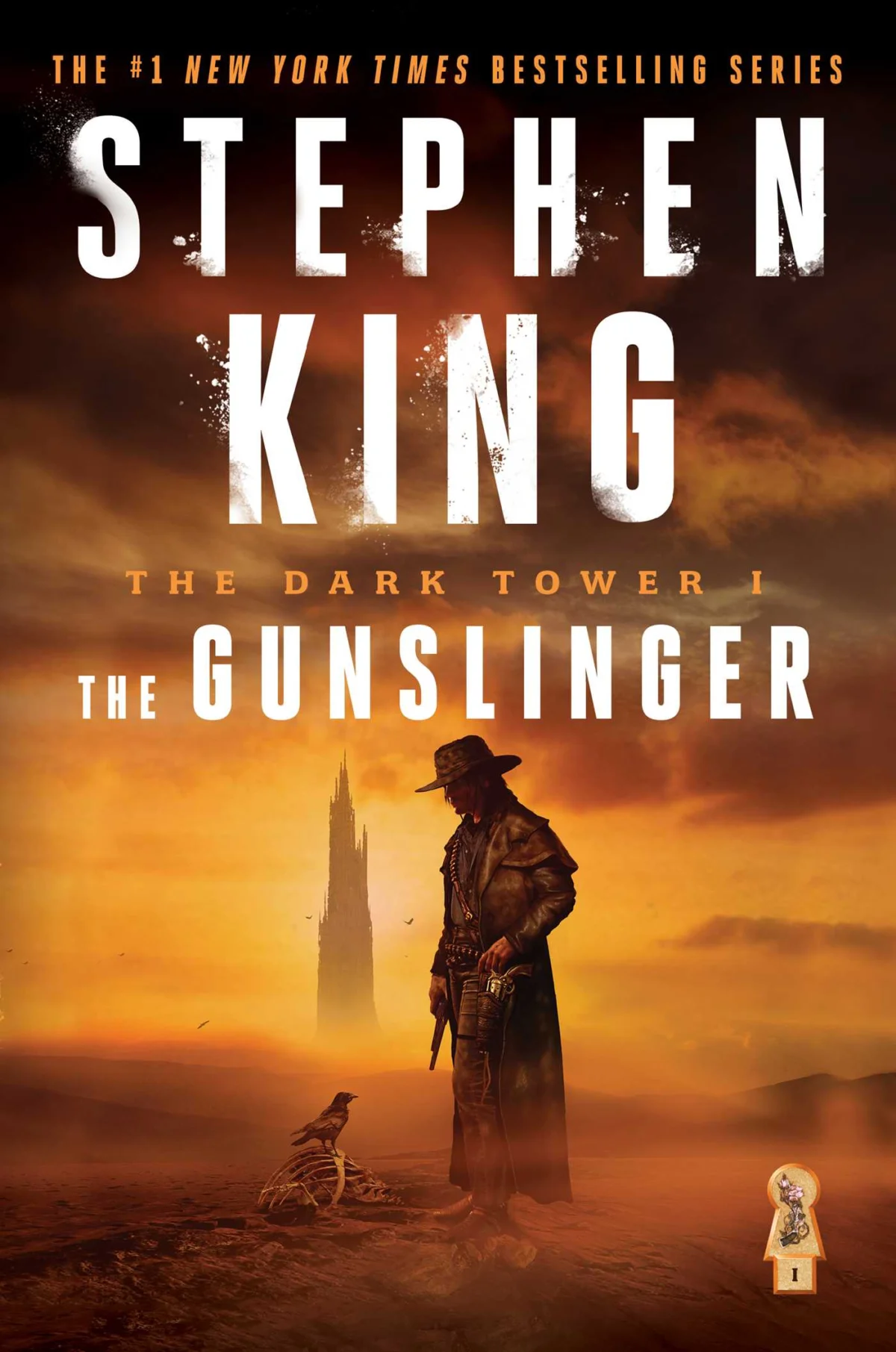
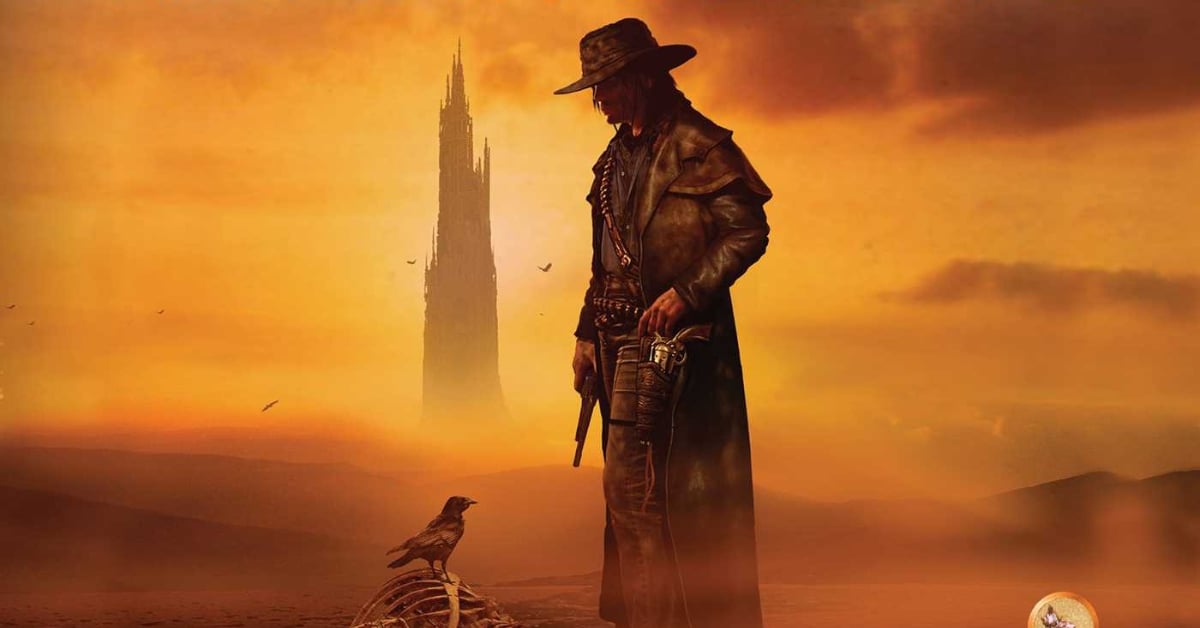
Stephen King’s The Dark Tower is a sprawling, genre-bending saga that has long been considered one of the most difficult properties to translate for the screen. The story follows Roland Deschain, the last of the Gunslingers, as he traverses a dying, post-apocalyptic landscape in pursuit of the titular Dark Tower, a nexus point for all dimensions and realities.
The history of attempts to adapt the material is extensive. Before Flanagan’s involvement, high-profile filmmakers including Ron Howard and J.J. Abrams spent years attempting to devise a viable strategy for bringing the series to the screen. In 2017, Sony Pictures released a feature film directed by Nikolaj Arcel and starring Idris Elba and Matthew McConaughey. That production, which attempted to condense the vast lore of the series into a 95-minute runtime, was met with critical and commercial disappointment. The failure of the 2017 film highlighted the primary hurdle in adapting King’s work: the immense narrative density of the eight-book cycle.
Mike Flanagan, known for his work on The Haunting of Hill House and Doctor Sleep, secured the rights to the franchise approximately four years ago. Since that announcement, fans have monitored the project’s progress closely, particularly as Flanagan transitioned into his new creative partnership with Amazon Studios. His commitment to the project has been characterized by a methodical, multi-year approach, aimed at honoring the complexity of the source material rather than rushing to production.
Expanding the King Cinematic Universe
A point of significant interest regarding the future of the series is its potential interconnectedness with other Stephen King adaptations currently in development. Flanagan is currently spearheading a new television series based on the novel Carrie. When queried on whether this project might serve as a "backdoor" or a narrative bridge to The Dark Tower, Flanagan did not rule out the possibility.
"I may have asked this very question several times along the way," Flanagan stated. "It’s certainly not impossible. There are characters in the Tower canon who would serve a very specific purpose in that story, who audiences wouldn’t necessarily recognize because they only exist in certain books."
This approach suggests that Flanagan is considering a shared-universe strategy, utilizing secondary characters or thematic elements to lay the groundwork for the more expansive Dark Tower narrative. Such a methodology aligns with the source material, where King frequently inserted Easter eggs and recurring figures—most notably the antagonist Randall Flagg—across his bibliography to link seemingly disparate stories to the Tower.
The Complexity of The Dark Tower Lore
To understand the logistical scale of the project, one must analyze the source material. The Dark Tower series consists of eight novels, along with various short stories and comic book expansions. It functions as the gravitational center of King’s entire literary output, pulling in characters from novels as varied as Salem’s Lot, The Stand, and Insomnia.
For a production company, the intellectual property represents both an opportunity and a liability. The "King Whisperer" reputation that Flanagan has cultivated provides a level of institutional confidence that previous attempts lacked. His track record of balancing psychological horror with character-driven drama is widely viewed by industry analysts as the specific skillset required to manage the tonal shifts of the Gunslinger’s journey.
Economic and Industry Implications
The decision to keep The Dark Tower in active development is reflective of a broader industry trend where streaming services are investing heavily in "prestige" intellectual property. In an era of content saturation, franchises with built-in, multi-generational fanbases are highly valued.
For Amazon, the studio backing Flanagan’s upcoming projects, the commitment to this series is an investment in long-term engagement. While the budget for such an endeavor would be substantial—potentially rivaling the expenditure of high-fantasy series like The Lord of the Rings: The Rings of Power—the risk is mitigated by the established brand loyalty associated with Stephen King’s work.

Furthermore, the longevity of the project is a testament to the evolving nature of television development. In the current economic climate, major studios are prioritizing "slow-burn" development cycles, allowing writers and showrunners the time to map out entire arcs before cameras begin rolling. This shift is a departure from the mid-2010s model of rapid production, which often led to disjointed storytelling in high-concept adaptations.
Official Stance and Future Outlook
Despite the silence that often surrounds the project, the filmmaker’s latest comments serve as a strategic update for shareholders, fans, and the entertainment industry at large. By explicitly confirming that the series remains on his development slate, Flanagan is signaling that the project has not been shelved, despite the logistical difficulties of securing the necessary creative resources and production windows.
The development of The Dark Tower is effectively operating on a staggered timeline. As Flanagan navigates his existing contracts, the structural foundation for the series—the scripts, the world-building, and the integration of the "Kingverse"—is being solidified.
Broader Impact on Genre Television
The success or failure of this adaptation will likely set a precedent for how "unadaptable" novels are approached in the future. If Flanagan succeeds in capturing the recursive, meta-fictional elements of King’s prose, it could open the door for a new wave of high-concept literary adaptations. Conversely, should the project encounter further delays, it may reinforce the industry’s caution regarding large-scale, non-linear fantasy epics.
For the present, the status of the project is one of "active preparation." While fans wait for formal casting announcements or production schedules, the confirmation from the creative lead provides a vital assurance. The path to the Dark Tower is long, and as the narrative itself suggests, the journey is just as critical as the destination. With a creator as dedicated to the integrity of the source material as Flanagan, the industry is keeping a close watch on how these pieces will eventually coalesce into a cohesive, long-form television experience.
As of early 2026, the project remains one of the most anticipated titles in the genre space, serving as a benchmark for the next generation of serialized storytelling. Whether it ultimately emerges as a multi-season epic or a condensed limited series remains a subject of intense speculation, but the commitment remains firm: the tower stands, and the pursuit continues.