Amazon Music is aggressively expanding its footprint in the burgeoning video podcasting market, signaling a strategic pivot toward multi-format media consumption. The streaming giant announced a significant international rollout of its video podcast features, extending services beyond the United States to include listeners in Canada, the United Kingdom, Mexico, Brazil, and Japan. This expansion is accompanied by a robust integration of hosting platforms and new monetization capabilities designed to attract content creators who are increasingly looking for ways to capture audience attention in both audio and visual formats.
The Evolution of Podcasting: From Audio-First to Multi-Format
The podcasting industry, once defined exclusively by RSS feeds and audio-only consumption, has undergone a radical transformation. What began as a medium for niche hobbyists has matured into a multi-billion-dollar enterprise characterized by high-production values and cross-platform distribution. The shift toward video is largely a response to shifting consumer behaviors, where audiences frequently treat platforms like YouTube as their primary podcast discovery and consumption engine.
Amazon’s entry into this space is not a singular event but part of a multi-year strategy to solidify its ecosystem. Following the successful introduction of video podcasts to U.S. subscribers in May, the company has observed a clear demand for visual content. By facilitating seamless transitions between audio and video within the Amazon Music app, the company aims to reduce the "friction" that typically occurs when users have to toggle between an audio streaming app and a video-hosting platform.
Strategic Integration and Partner Ecosystem
Starting this Wednesday, Amazon Music will support video podcast hosting from major industry players, including Triton Digital’s Omny Studio and Flightcast. This represents a significant expansion of the company’s infrastructure, which was initially anchored by ART19, an Amazon-owned technology provider.
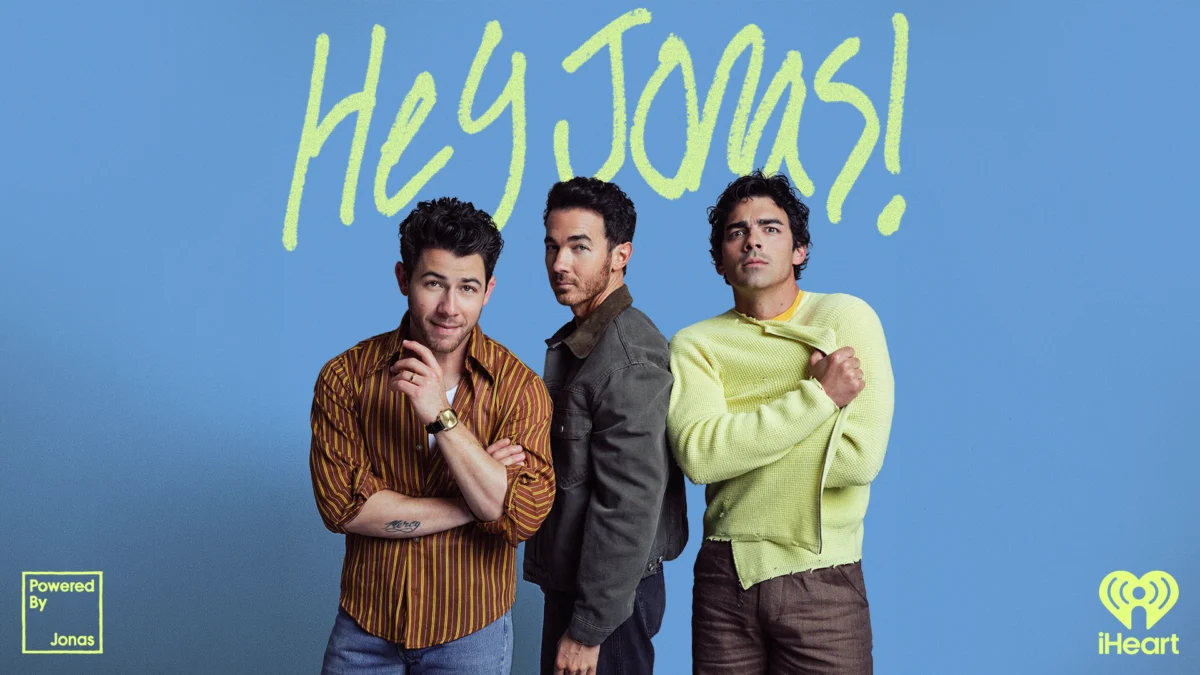
The breadth of content available at launch underscores Amazon’s commitment to variety. Users can expect a wide array of high-profile titles, including Hey Jonas!, Joy 101 with Hoda Kotb, Pro Football Talk Live with Mike Florio, and Solved with Mark Manson. These additions complement an already impressive library that includes content from Wondery—Amazon’s internal podcast studio—such as New Heights, Armchair Expert, and The Oprah Podcast.
The company has also confirmed that in the coming months, it will integrate content from major media conglomerates, including iHeartMedia, SiriusXM, Spotify, NBC Sports, and Headgum. This move effectively positions Amazon Music as a central hub, allowing creators to distribute their work to a global audience while maintaining the infrastructure they are already accustomed to.
Monetization: Empowering the Creator Economy
A critical component of this announcement is the introduction of sophisticated monetization tools. Historically, podcast monetization was limited to host-read advertisements or "baked-in" spots. Amazon Music is now enabling creators to insert dynamic video ads into their shows, providing a more scalable revenue model.
Crucially, these new tools are designed to coexist with existing sponsorship arrangements. Creators are not required to sacrifice their autonomy; they retain full ownership of their hosting, ad inventory, and direct audience relationships. This approach is likely a calculated attempt to differentiate Amazon from competitors, particularly YouTube, which has traditionally exerted more control over the ad-revenue sharing ecosystem. By emphasizing creator agency, Amazon is positioning itself as a "creator-friendly" alternative that respects the independence of the podcasting industry’s traditional business models.
Industry Context and Competitive Pressures
The broader media landscape is currently engaged in an arms race for digital attention. Spotify, which has spent hundreds of millions of dollars acquiring exclusive rights and building video infrastructure, has long been the primary challenger to Apple Podcasts’ historical dominance. Meanwhile, Netflix has begun experimenting with live events and ancillary content, further blurring the lines between traditional video streaming and podcasting.
However, the "behemoth in the room" remains YouTube. With its massive search engine integration and established advertising infrastructure, YouTube has become the default destination for video podcasts. Data from the Reuters Institute for the Study of Journalism indicates that a significant percentage of podcast listeners now prefer to watch their shows on YouTube rather than listen on dedicated audio apps. Amazon’s expansion is a direct attempt to claw back market share from YouTube by leveraging the existing Amazon Music user base and integrating video into an environment that is already optimized for music and audio consumption.
Official Commentary and Corporate Strategy
Shea Simpson, Head of Spoken Word for Amazon Music, addressed the rationale behind this expansion in a recent statement. "Industry data confirms what our customers have been telling us—they want the flexibility to watch their favorite podcasts, in addition to listening," Simpson said. "As video consumption continues to grow, we’re constantly looking for ways to expand our offerings for customers to engage across formats."
Simpson emphasized that the technical implementation was deliberate. "Just as importantly, we’ve built this in a way that lets creators keep full ownership of their hosting, ad inventory, and audience monetization," she added. This emphasis on ownership serves as a key pillar in Amazon’s narrative, as many independent podcasters have expressed concerns regarding "walled gardens" that restrict their ability to reach audiences outside of a specific app.
Market Implications and Future Outlook
The implications of this move are twofold. First, it marks a permanent change in how podcasts are valued. The "video-first" or "video-also" podcast is no longer an experiment; it is the industry standard. Content creators who fail to provide a visual component risk being sidelined as major platforms continue to prioritize multimedia content in their discovery algorithms.
Second, the geographical expansion into Mexico, Brazil, and Japan—in addition to the UK, Canada, and the U.S.—suggests that Amazon is confident in the global scalability of its podcasting infrastructure. These regions represent high-growth markets for digital content, and by providing a localized, video-integrated experience, Amazon is setting the stage for deeper market penetration in these territories.
Looking ahead, analysts expect the competition between Amazon, Spotify, and YouTube to intensify. While Amazon has the advantage of a massive retail and Prime ecosystem, Spotify holds a significant lead in audio-specific discovery and playlisting. YouTube, conversely, maintains the strongest cultural hold on video-based media consumption.
Conclusion: A New Standard for Podcasting
The transition of Amazon Music into a comprehensive video-podcast platform is a reflection of a wider trend in digital media: the convergence of audio and video. As audiences demand more immersive and flexible content experiences, platforms are being forced to adapt or risk obsolescence.
By prioritizing creator autonomy, fostering a broad ecosystem of hosting partners, and expanding aggressively into international markets, Amazon is signaling that it is not merely content to host audio; it intends to be a definitive destination for the entire podcasting medium. Whether this strategy will be enough to challenge the supremacy of YouTube remains to be seen, but the move ensures that the battle for the ears—and eyes—of the global audience is only just beginning. As the industry evolves, the success of this initiative will likely hinge on the platform’s ability to maintain a seamless user experience while providing creators with the tools necessary to thrive in an increasingly crowded and competitive digital landscape.