The modern entertainment landscape has increasingly been shaped by the systematic exploitation of expired copyrights, a trend that has accelerated following the entry of iconic literary and cinematic properties into the public domain. This phenomenon, which combines opportunistic micro-budget filmmaking with the widespread cultural recognition of classic intellectual property, represents a significant shift in contemporary media production. As copyright terms expire, independent producers have capitalized on the legal availability of historic works, transforming venerated literature and early animation into low-budget horror features designed for digital distribution platforms.
The Evolution of the Public Domain Market
The legal framework governing intellectual property in the United States and international jurisdictions dictates that creative works eventually lose their exclusive protections, transitioning into the public domain after a designated period—historically 95 years for corporate works in the US, or 70 years following the death of an author for literary works. When these milestones are reached, the underlying characters, plots, and settings become accessible for unrestricted use by any creator, provided they do not infringe upon specific later iterations still protected by copyright.
In recent years, this legal transition has sparked an aggressive rush among independent production companies. The trend achieved mainstream notoriety following the expiration of the original 1926 copyright for A.A. Milne’s Winnie-the-Pooh. The subsequent release of Winnie-the-Pooh: Blood and Honey in 2023 demonstrated the commercial viability of subverting wholesome childhood icons into slasher antagonists. Produced on a minimal budget, the film generated substantial global box office returns and sparked a cascade of similar productions, including Bambi: The Reckoning and multiple unauthorized horror adaptations inspired by early Mickey Mouse appearances in Steamboat Willie.
This commercial strategy is now expanding beyond children’s literature into canonical adult fiction and classic literature. Upcoming public domain milestones, such as the inclusion of Jean de Brunhoff’s Babar the Elephant in January, indicate that the breadth of targeted source material is expanding rapidly. Industry analysts note that this approach mirrors historical precedents, recalling how the early American film industry—including Walt Disney Animation Studios and Universal Pictures—built its foundational catalogues by adapting fairy tales and gothic horror novels that lacked active copyright protections.

Chronology of Adaptation and Recent Releases
The timeline of public domain exploitation has compressed dramatically, with filmmakers moving to monetize properties almost immediately upon their expiration.
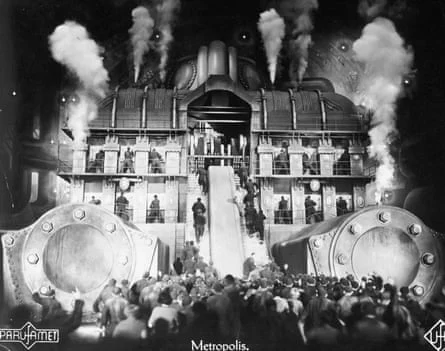
- Early 20th Century: Major Hollywood studios establish commercial dominance by adapting public domain folklore, mythology, and 19th-century gothic novels.
- January 2024: Following the expiration of the 1928 copyright for Steamboat Willie, at least six distinct horror and thriller projects featuring early iterations of Mickey Mouse are announced simultaneously within weeks.
- 2023–2026: A wave of independent micro-budget slasher films emerges, targeting characters from children’s literature, including Milne’s Winnie-the-Pooh and Felix Salten’s Bambi.
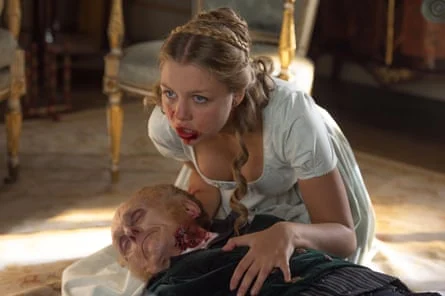
- October 2026: Digital distribution platforms release Wuthering Heights: The House of the Damned, a supernatural horror adaptation of Emily Brontë’s 1847 novel, capitalizing on the broader cultural visibility of high-profile prestige adaptations released earlier in the year.
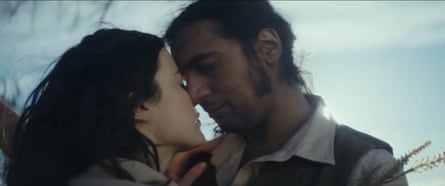
The release of Wuthering Heights: The House of the Damned exemplifies this tactical alignment. Arriving on digital platforms in October 2026, the film reinterprets Emily Brontë’s classic romantic tragedy through a supernatural lens, featuring spectral hauntings and violent retribution. The production strategically follows the commercial success of Emerald Fennell’s big-budget cinematic adaptation of Wuthering Heights earlier in the year, which ranked among the highest-grossing films of 2026. By leveraging the heightened public awareness generated by a major mainstream release, independent producers of the horror variant aimed to capture residual consumer interest with minimal marketing expenditure.
Supporting Data and Market Demographics
Statistical analysis of the micro-budget horror sector reveals a high-margin, low-risk business model. According to industry tracking data, films produced for under $100,000 frequently achieve profitability through targeted digital video-on-demand (VOD) sales, streaming licensing, and international pre-sales.
| Film Title / Property | Original Publication Year | Adaptation Release Year | Estimated Production Budget | Primary Distribution Method |
|---|---|---|---|---|
| Winnie-the-Pooh: Blood and Honey | 1926 | 2023 | < $100,000 | Theatrical / VOD |
| Bambi: The Reckoning | 1923 | 2024–2025 | Low-Budget Independent | Digital / VOD |
| Steamboat Willie (Multiple projects) | 1928 | 2024–2026 | Minimal / Micro-Budget | Independent / VOD |
| Wuthering Heights: The House of the Damned | 1847 | 2026 | Independent Feature | Digital Platforms |
Consumer demand for these alternative adaptations is supported by algorithmic visibility on streaming services and robust social media engagement. While critical reception for such titles is universally mixed to negative, audience consumption metrics indicate a steady appetite for novelty-driven genre fare. Furthermore, upcoming years will see a substantial expansion of eligible literature. Works approaching or exceeding centennial benchmarks include Jane Austen’s Sense and Sensibility (published over two centuries ago), Pride and Prejudice, Robert Louis Stevenson’s Treasure Island, Virginia Woolf’s Mrs Dalloway, Edith Wharton’s The Age of Innocence, and Ernest Hemingway’s The Sun Also Rises.
Legal Realities and Industry Perspectives
Legal scholars and intellectual property attorneys emphasize that creators operating within the public domain must exercise caution to avoid trademark infringement, which does not expire in the same manner as copyright. While the text of a 19th-century novel may be freely copied, adapted, or distorted, subsequent specific artistic additions, distinctive visual designs, or corporate branding associated with later adaptations remain protected.
Representatives from independent distribution companies defend the practice as a legitimate exercise of artistic freedom and cultural reinterpretation. Proponents argue that subverting classical texts revitalizes historical literature for younger demographics who might otherwise remain unfamiliar with the source material. Conversely, literary estates and cultural preservationists have expressed concern over the trivialization of canonical works. Critics argue that the saturation of low-grade adaptations risks overshadowing the original cultural and artistic significance of foundational literature, reducing complex thematic narratives into formulaic genre tropes.
Economic and Cultural Implications
The proliferation of public domain horror and derivative media highlights broader structural shifts in the modern entertainment economy. As major studios increasingly rely on risk-averse intellectual property management—such as sequels, reboots, and established franchises—independent creators are utilizing public domain law as an alternative mechanism for franchise building.
The economic implications are twofold. For independent production houses, leveraging recognized titles eliminates the prohibitive costs associated with securing underlying rights, lowering the barrier to entry for commercial filmmaking. For consumers and the broader cultural ecosystem, the trend signals an era of hyper-saturation where historic boundaries between high art and exploitation cinema are increasingly blurred. As copyright laws continue to release historic works into public ownership, the intersection of canonical literature and low-budget genre filmmaking is expected to remain a permanent fixture of the contemporary media landscape.