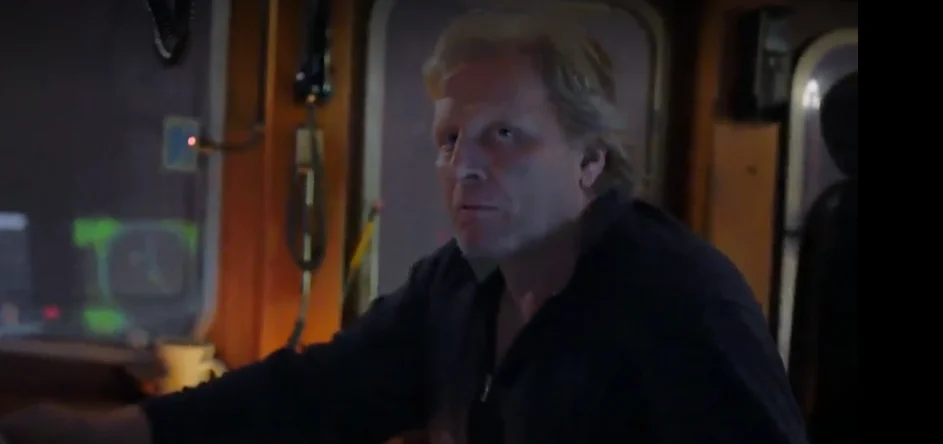
The Bering Sea remains one of the most unforgiving workplaces on the planet, and as the season’s final canary closure looms, the pressure on the captains of the Discovery Channel’s long-running series Deadliest Catch has reached a fever pitch. With the deadline for offloading catch fast approaching, the margin for error has effectively evaporated. Recent episodes have highlighted the grueling reality of commercial crabbing, where mechanical failures, crew injuries, and the relentless nature of the Arctic climate converge to test the resolve of seasoned veterans and newcomers alike.
The High Stakes of the Canary Closure
The "canary closure"—a critical regulatory deadline for the Bairdi crab season—serves as the primary catalyst for the current tension. Commercial crab fishing in the Bering Sea is governed by strict quotas and seasonal windows managed by the Alaska Department of Fish and Game. Missing these windows can result in significant financial losses for vessel owners, who must balance the high cost of fuel, insurance, and maintenance against the volatile market price of crab.
For the captains currently at sea, including Sig Hansen, Johnathan Hillstrand, Rick Shelford, and Jake Anderson, the race against time is not merely a television narrative; it is a multi-million dollar logistical operation. Every hour spent idling for repairs is an hour of lost revenue, creating a pressure-cooker environment where safety protocols are constantly weighed against the necessity of hitting target quotas.
Johnathan Hillstrand and the Time Bandit’s Resilience
Johnathan Hillstrand’s recent operational struggles aboard the Time Bandit underscore the fragility of these vessels. With only five days remaining until his scheduled offload, Hillstrand faced a cascade of issues. The most concerning was the injury of a deckhand named Steve, who suffered a significant head injury after being struck on deck. In the hazardous environment of a crab boat, where heavy steel pots weighing hundreds of pounds move in unpredictable patterns during rough seas, head injuries are a primary cause of medical evacuations.
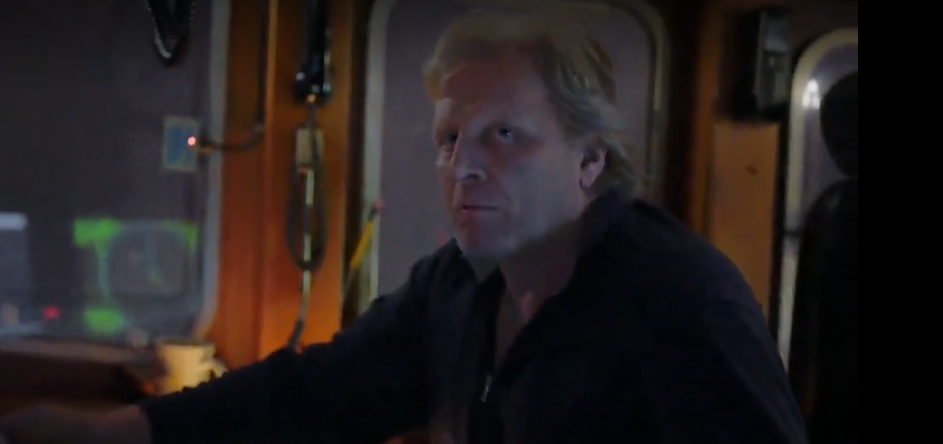
Beyond the human toll, the Time Bandit faced mechanical distress in the form of a cracked crane. The hydraulic crane is the heartbeat of the operation; without it, the crew cannot haul pots from the ocean floor. The subsequent oil leak posed not only an operational threat but also a regulatory concern, as environmental compliance is strictly monitored in Alaskan waters. Hillstrand’s ability to navigate these setbacks—ultimately securing higher yields—highlights the "never give up" ethos that defines the veteran captain’s legacy in the industry.
Rick Shelford and the Human Resource Crisis
The Aleutian Lady, under the command of Rick Shelford, provides a poignant look at the difficulties of maintaining a full crew in a high-turnover industry. Following the departure of greenhorn Todd Meadows due to a concussion, Shelford was forced to bring on a replacement, Brandon. This transition period highlights the logistical nightmare of replacing specialized labor in the middle of a remote maritime operation.
The hiring of Brandon, who lacked previous crab boat experience, initially appeared to be a successful pivot when he detected a fire in the engine room caused by a burnt-out air clutch. However, the physical reality of the job quickly manifested. Brandon revealed a past injury from an ATV accident that rendered him unable to handle the repetitive, high-impact labor of hauling 900-pound pots.
This situation reflects a broader challenge in the fishing industry: the difficulty of finding personnel who possess both the physical fortitude and the technical competence required for deep-sea work. Shelford’s decision to transition Brandon to galley duties rather than immediately discharging him speaks to the scarcity of willing labor, yet the eventual return of Meadows signifies the preference for proven, experienced crew members who can function safely in high-stress environments.
Jake Anderson’s Personal and Professional Balancing Act
Captain Jake Anderson of the Cornelia Marie continues to face the dual burden of professional success and personal stability. His narrative arc, centered on the pursuit of a new home for his children, adds a layer of emotional depth to the technical challenges of the season. Anderson’s connection to the late Captain Phil Harris remains a guiding force in his professional conduct, as he seeks to honor the legacy of the Cornelia Marie while navigating modern economic pressures.
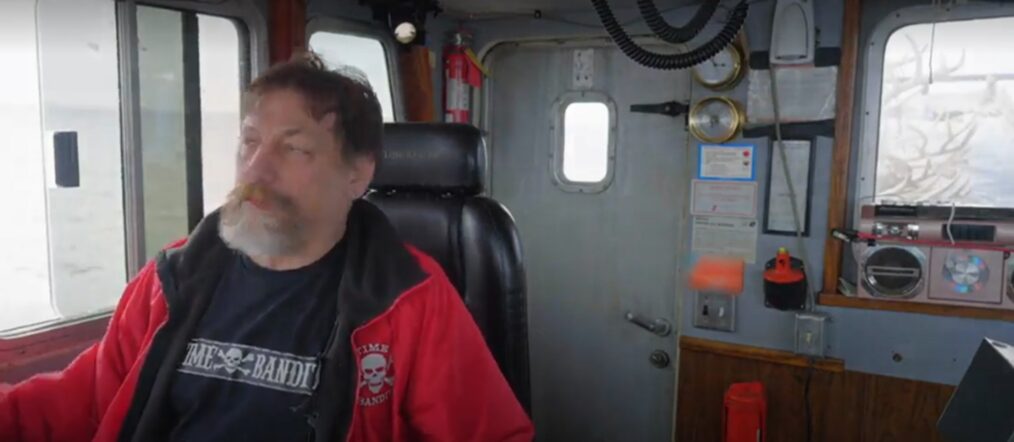
During the most recent operations, the vessel experienced a total loss of its electrical system, including generator and battery backup failures. Operating in the dark with failing equipment while attempting to manually move 900-pound pots to the lift gate is a testament to the crew’s desperation to finish the season. Such incidents remind viewers that while the show is a television product, the underlying risks—potential for shipwrecks, fires, and life-altering injuries—are entirely real and ever-present.
Sig Hansen and the Northwestern’s Mechanical Runaway
Sig Hansen, perhaps the most recognizable figure in the franchise, encountered one of the most terrifying scenarios a captain can face: a "runaway engine." When an engine fails to respond to throttle commands, the vessel becomes a danger to itself and its crew. The Northwestern, a legendary vessel in the Bering Sea fleet, briefly lost maneuverability, forcing Hansen to intervene manually to prevent a catastrophic collision or mechanical failure.
The event served as a stark reminder that even the most well-maintained vessels are susceptible to the corrosive and violent nature of the North Pacific. Following the successful repair of the engine and a subsequent haul that yielded strong Bairdi numbers, Hansen turned his focus toward mentorship. His interaction with Jake Anderson, in which he expressed pride in Anderson’s growth, highlights the tight-knit, almost familial structure of the Bering Sea captain network. This community of captains operates as a meritocracy, where respect is earned through the consistent application of skill under extreme duress.
Broader Implications and Industry Context
The events documented in this season of Deadliest Catch illustrate the systemic challenges facing the commercial fishing industry. The decline of certain crab stocks, coupled with the unpredictability of climate-driven weather patterns, has forced captains to operate with thinner margins for error. The move toward more advanced mechanical systems, while necessary for efficiency, has also created new points of failure—such as the complex hydraulic and electrical systems that caused recent delays for both the Cornelia Marie and the Aleutian Lady.
Furthermore, the industry is undergoing a generational shift. As veterans like Hillstrand and Hansen continue to guide their vessels, they are increasingly focused on the transition of leadership to the next generation. The pressure to maintain high-output fishing while ensuring the safety of a crew that is increasingly composed of younger or less-experienced deckhands is the defining tension of the modern era of crabbing.
Conclusion: The Unrelenting Bering Sea
As the season draws to a close, the narrative focus remains on the resilience of the crews. The ability to recover from mechanical failures, manage injury-related staffing shortages, and navigate severe weather is what differentiates the top-tier operators from the rest of the fleet. The camaraderie observed between captains like Hansen and Anderson serves as a buffer against the isolating and often demoralizing nature of the work.
For viewers, these episodes provide more than entertainment; they offer an unvarnished look at the industrial-scale risks involved in harvesting seafood from one of the most hostile environments on Earth. The upcoming conclusion to the Bairdi season will undoubtedly be measured not just in pounds of crab, but in the survival of the vessels and the endurance of the men who captain them. With the canary closure approaching, the final push is not just about profit—it is about completing the cycle of the season and returning home safely, a feat that, as evidenced by recent events, is never guaranteed.