Paramount Global has officially announced the formation of Paramount Games Studio, a move that signals a fundamental shift in the media giant’s approach to interactive entertainment and transmedia storytelling. This strategic expansion comes at a transformative moment for the company, which is currently navigating the complex regulatory approval process for its landmark acquisition of Warner Bros. Discovery. The new division, led by industry veteran Tony Driscoll, is designed to consolidate the company’s vast intellectual property (IP) portfolio into a centralized, first-party development powerhouse, moving away from the traditional licensing-only model that has historically defined Paramount’s presence in the gaming sector.
The launch of Paramount Games Studio represents the culmination of a series of aggressive maneuvers by David Ellison, who successfully merged Skydance with Paramount last summer. By integrating the existing capabilities of Skydance Interactive and Skydance New Media into the newly formed studio, Paramount is positioning itself to compete directly with established gaming giants like Sony, Microsoft, and Nintendo, as well as media rivals like Disney and Netflix. The move is further bolstered by the inclusion of WB Games’ formidable assets, which are being absorbed as part of the $111 billion acquisition of Warner Bros. Discovery.
A Leadership Foundation Built on Industry Expertise
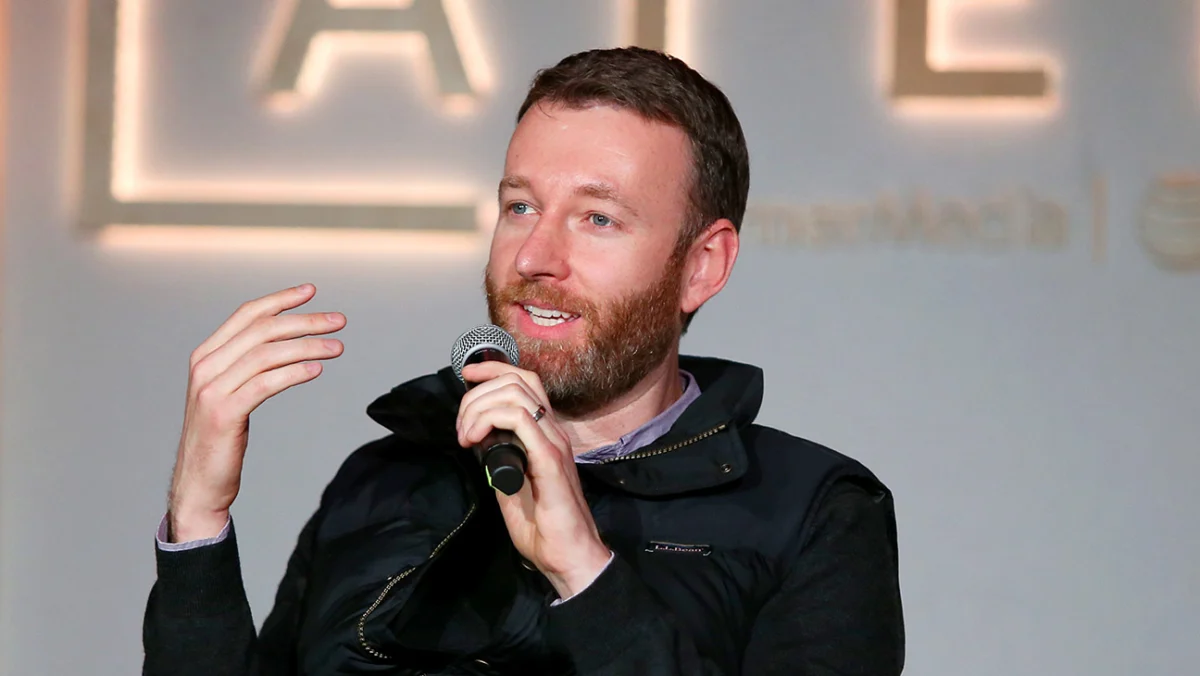
Tony Driscoll, the executive tapped to lead Paramount Games Studio, brings over two decades of high-level experience across the technology and entertainment sectors. His career trajectory includes senior leadership roles at Epic Games, Warner Bros., AT&T, and Disney, providing him with a unique vantage point on the intersection of gaming engines, cinematic storytelling, and corporate distribution. Driscoll’s dual role is particularly noteworthy; while he oversees the creative and operational direction of the new game studio, he will continue to serve as Paramount Skydance’s Head of Corporate Strategy and Development.
In this strategic capacity, Driscoll is currently spearheading the integration planning for the Warner Bros. Discovery transaction. This dual mandate ensures that the gaming division is not an isolated silo but is instead woven into the very fabric of the company’s long-term growth strategy. By aligning the development of video games with the broader corporate integration of WBD, Paramount aims to ensure that gaming titles are developed in tandem with film and television projects, maximizing the lifecycle and monetization of every franchise under the corporate umbrella.
“This division launch marks a meaningful evolution in how we think about games—not as an extension of our business, but as a core pillar of our content strategy alongside film, television, and streaming,” Driscoll stated during the announcement. His vision reflects a broader industry trend where gaming is no longer viewed as "ancillary merchandise" but as a primary medium for consumer engagement and brand loyalty.
The Strategic Integration of Warner Bros. Games
The acquisition of Warner Bros. Discovery brings with it one of the most successful and established gaming divisions in the world. WB Games has consistently proven its ability to translate blockbuster film and literary IP into high-performing interactive experiences. Recent successes include the 2023 release of Hogwarts Legacy, which became one of the highest-selling games of the year, and the enduring popularity of the Mortal Kombat franchise, which has remained a staple of the fighting game genre for decades.
By bringing WB Games under the Paramount Games Studio banner, David Ellison is acquiring more than just titles; he is acquiring a proven infrastructure of development talent and a massive library of established IP, including the DC Universe, the Wizarding World, and the LEGO gaming franchise. This acquisition effectively leapfrogs Paramount over years of trial-and-error that other media companies have faced when trying to build internal gaming divisions from scratch.
The integration of these assets will allow Paramount to leverage the technical expertise of WB Games’ various subsidiaries—such as NetherRealm Studios, Rocksteady Studios, and Monolith Productions—while applying the narrative-driven approach of Skydance New Media, which is currently helmed by industry icon Amy Hennig.
A New Era of AAA Development: Marvel and Star Wars
The first slate of titles to emerge from Paramount Games Studio highlights the company’s commitment to high-budget, "AAA" development. Two of the most anticipated projects include Marvel 1943: Rise of Hydra and an untitled Star Wars game. These projects are being developed by Skydance New Media, which has already garnered significant industry attention for its focus on cinematic, narrative-heavy gameplay.
Marvel 1943: Rise of Hydra, which features Captain America and Black Panther in a World War II setting, is seen as a litmus test for the studio’s ability to handle premier external licenses alongside its internal IP. Meanwhile, the Star Wars project signals Paramount’s intention to remain a key player in the "big-tent" franchise space, even as it looks to mine its own library for new gaming experiences.
Industry analysts expect further project reveals during the upcoming Summer Game Fest. These announcements are anticipated to include titles based on classic Paramount properties, potentially ranging from Mission: Impossible and Top Gun to Star Trek and the Nickelodeon library. By controlling the development of these games internally, Paramount can ensure a level of quality and narrative consistency that is often lost when licensing IP to third-party developers.
The Financial and Regulatory Context of the $111 Billion Merger
The formation of Paramount Games Studio cannot be viewed in isolation from the massive $111 billion acquisition of Warner Bros. Discovery. This transaction, led by David Ellison, is one of the largest in the history of the media industry, surpassing Disney’s acquisition of 21st Century Fox in scale and complexity. The deal is currently under intense scrutiny by regulatory bodies, including the Federal Trade Commission (FTC) and the Department of Justice (DOJ), who are evaluating the implications of such a massive consolidation of media power.
From a financial perspective, the move into gaming is a play for diversified revenue streams. The traditional cable television model is in a state of secular decline, and the streaming wars have proven to be a costly endeavor with fluctuating profit margins. Gaming, however, offers a high-margin, recurring revenue model through digital sales, microtransactions, and live-service updates. By owning the studio, Paramount retains 100% of the profits from these games, rather than the 10-15% typical of licensing agreements.
Data from the Entertainment Software Association (ESA) indicates that the global gaming market is projected to exceed $200 billion by 2025. For a company like the newly merged Paramount-WBD entity, capturing even a small percentage of that market through first-party titles represents a multi-billion-dollar opportunity that offsets the volatility of the theatrical box office.
Chronology of the Paramount Gaming Evolution
The path to the launch of Paramount Games Studio has been marked by several key milestones over the past 24 months:
- Summer 2024: David Ellison’s Skydance completes its merger with Paramount Global, installing new leadership and signaling a "tech-first" approach to entertainment.
- Late 2024: Paramount begins exploratory talks for the acquisition of Warner Bros. Discovery, identifying WB Games as a "must-have" asset in the deal.
- Early 2025: The $111 billion WBD acquisition is formally announced, triggering a global regulatory review.
- Mid 2025: Tony Driscoll is appointed to lead the integration of the two companies’ digital and interactive assets.
- Current: Paramount Games Studio is officially launched, unifying Skydance Interactive, Skydance New Media, and the incoming WB Games teams.
Industry Implications and the Transmedia Future
The launch of Paramount Games Studio is likely to trigger a ripple effect across the entertainment landscape. As Paramount moves to internalize its gaming development, other major studios may feel pressured to follow suit. Disney, for instance, recently made a $1.5 billion investment in Epic Games, suggesting a "hybrid" model of investment and collaboration, whereas Paramount is opting for a model of total ownership and integration.
The success of this venture will depend on Paramount’s ability to manage the cultural and operational differences between a traditional film studio and a modern game development house. Game development cycles are notoriously long and capital-intensive, often requiring four to six years for a single AAA title. Paramount’s leadership will need to balance the short-term demands of quarterly earnings with the long-term patience required to produce world-class interactive experiences.
Furthermore, the "Core Pillar" strategy suggests that we will see a more synchronized release schedule. Imagine a future where a new Batman film, a Batman streaming series on Paramount+, and a high-fidelity Batman game are all launched within the same window, sharing assets, voice actors, and narrative threads. This level of vertical integration is the "holy grail" of modern media, and with the launch of Paramount Games Studio, David Ellison and Tony Driscoll are betting the future of the company on their ability to achieve it.
As the industry looks toward Summer Game Fest, all eyes will be on Paramount to see if they can translate their cinematic pedigree into the interactive space. If successful, Paramount Games Studio will not only be "Player One" in the gaming world but will redefine what it means to be a modern media conglomerate in the 21st century.