Georgia Bernstein’s feature directorial debut, Night Nurse, has emerged as one of the most provocative and fiercely debated independent cinematic offerings of 2026. Following its high-profile premiere in the NEXT competition section at the Sundance Film Festival, the psychological thriller has defied the traditional programming expectations of the festival circuit. Rather than adhering to conventional narrative formulas, Bernstein has crafted a deeply unsettling, slow-burn psychodrama that investigates the blurred boundaries of caregiving, manipulation, and illicit desire. Ahead of its scheduled wide theatrical release on July 10 through IFC Films, the picture has drawn sustained critical attention for its uncompromising aesthetic and its refusal to offer moral reassurance.
Main Facts and Narrative Premise
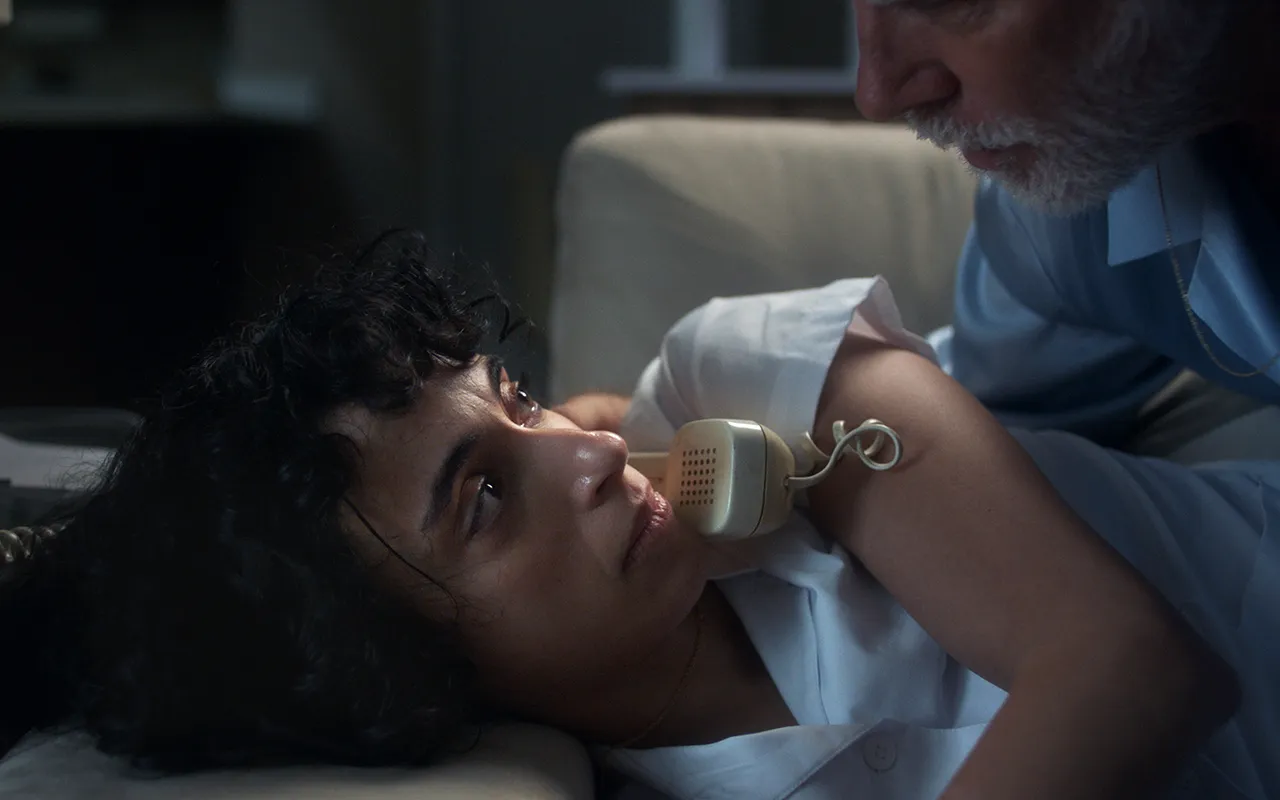
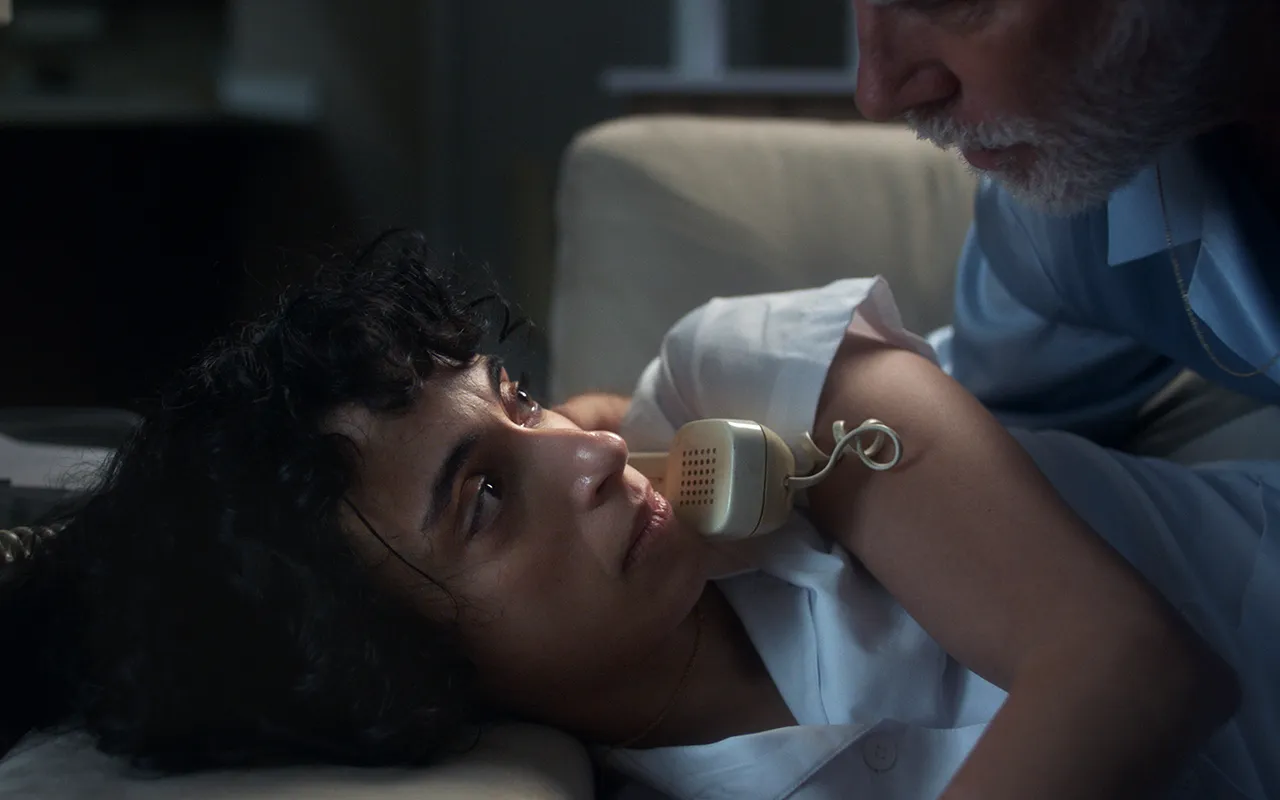
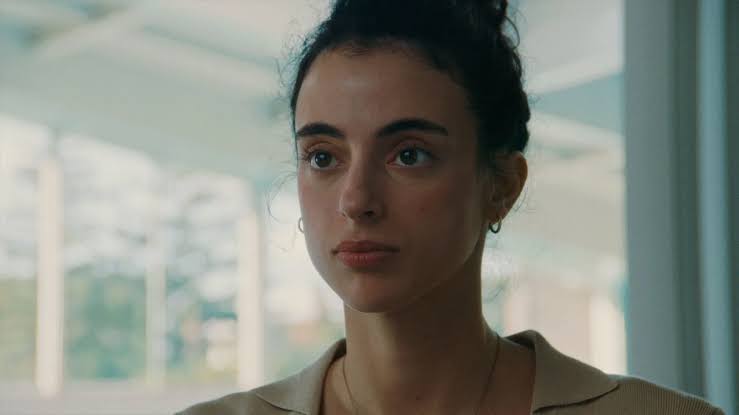
Set within the languid, disorienting ecosystem of an upscale suburban memory-care facility, Night Nurse tracks the trajectory of Eleni, a newly hired night-shift nurse portrayed by Cemre Paksoy. During her nocturnal rounds, Eleni encounters Douglas, an older resident played by Bruce McKenzie who is undergoing clinical evaluation for early-onset Alzheimer’s disease. Instead of maintaining professional boundaries, Eleni rapidly becomes intoxicated by Douglas’s presence, culminating in a transgressive partnership.
The pair embark on a lucrative confidence game, executing phone scams targeting other elderly individuals. Posing as distressed grandchildren in urgent need of financial assistance, Eleni and Douglas extract monetary gains while simultaneously experiencing a potent psychosexual thrill. The narrative builds on an unsettling thematic core articulated by a supporting character, Mona (Éléonore Hendricks): the intoxicating, potentially destructive validation of being urgently needed by another human being.
Chronology and Development of the Production
The genesis of Night Nurse reflects a fiercely collaborative, grassroots approach to independent filmmaking, executed through a series of distinct operational phases in the Chicago independent film community.
Director Georgia Bernstein transitioned to feature filmmaking after serving as a producer on notable regional projects, including Alex Phillips’s features All Jacked Up and Full of Worms (2022) and Anything That Moves (2025). Following the completion of the latter, producer Eddie Linker sought an instructional framework for a class he was scheduled to teach at Northwestern University. Linker proposed using Bernstein’s screenplay as a working template for the curriculum.
Teaming up with co-producer Veronica Barbosa and producer Liane Cunje, Bernstein and her colleagues transformed the academic semester into an intensive pre-production workshop. Enrolled students were trained in the practical fundamentals of micro-budget production, encompassing entity formation through LLC registration, budget allocation modeling, and state tax credit acquisition. By the conclusion of the academic quarter, the production had effectively completed its foundational pre-production planning.
Principal photography was executed through a series of calculated logistical choices. To imbue the project with an authentic sense of temporal displacement and suburban malaise, Bernstein secured her own grandmother’s residential property as the primary shooting location. The screenplay was meticulously mapped to the physical architecture of the house, capitalizing on its unmoored aesthetic—characterized by vintage 1970s interior design elements juxtaposed with obsolete landline telephony—to cultivate a sustained sense of temporal and spatial disorientation.
Supporting Data and Aesthetic Influences
The visual and sonic architecture of Night Nurse plays a critical role in establishing its distinctive tone, driven by deliberate technical choices made by Bernstein and her department heads.
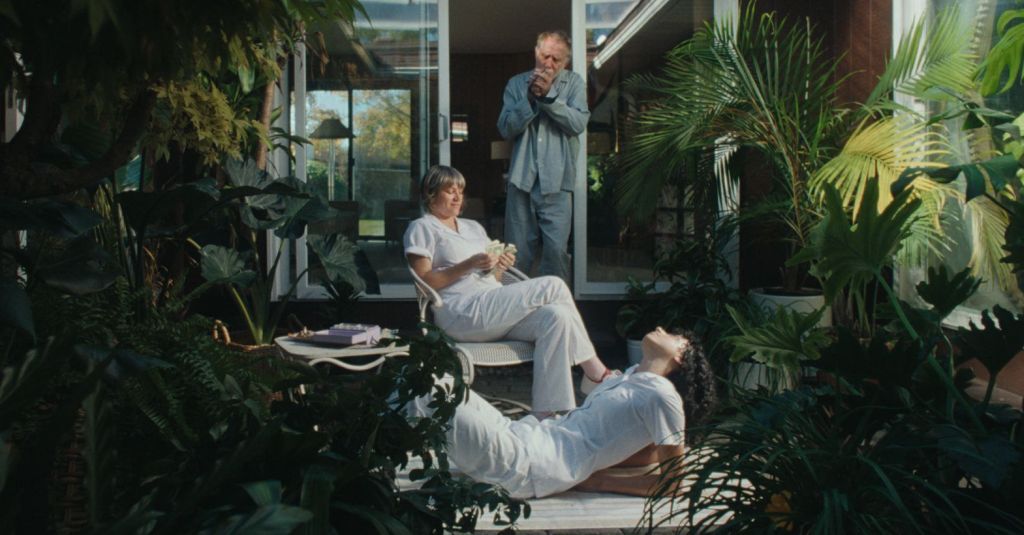
Cinematographer Lidia Nikonova, recruited by Bernstein following her work on the feature Family Portrait (2024), rejected the lightweight, agile mobility of Steadicam setups in favor of traditional dolly tracks. Operating within the restrictive spatial dimensions of the primary location, the production utilized heavy dolly movements to generate a deliberate, mechanical pacing reminiscent of classical European arthouse cinema. This stylistic choice was explicitly informed by the cinematic sensibilities of David Cronenberg—particularly his 1996 feature Crash—and Atom Egoyan’s 1990s output, channeling a gray, humid, and psychosexually charged atmosphere.
The film’s sonic identity was established by composers Steven B. Jackson and Samm Clapp, who previously scored Bernstein’s production slate. Rejecting modern digital scoring conventions in favor of an older, live-to-picture recording methodology, Jackson and Clapp integrated dual sets of musical collaborators alongside instrumentation centered on the flute and piano. The resulting auditory landscape draws direct inspiration from Francis Ford Coppola’s 1974 classic The Conversation, utilizing recurring melodic motifs to mirror the thematic entrapment of the characters.
Artistic Statements and Creative Intentions
In discussions surrounding the development of the project, Bernstein has been transparent about her cinematic lineage and her deliberate subversion of traditional cinematic tropes. When asked about the historical resonance of the title—historically sharing a name with William Wellman’s 1931 pre-Code drama starring Barbara Stanwyck—Bernstein noted that her inspiration derived more directly from Roger Corman’s 1970s nurseploitation cycle, specifically Stephanie Rothman’s The Student Nurses (1970).
Addressing the complex power dynamics central to the narrative, Bernstein sought to pivot away from traditional representations of older men and younger women explored by filmmakers such as Catherine Breillat. By introducing clinical uncertainty regarding memory degradation and cognitive decline, Bernstein compounded the ambiguity of the relationship.
"As I pushed it and added these layers, it became more complicated," Bernstein observed in interviews following the festival premiere. "Who’s taking care of who? Who has the power? The circumstance that I created ended up adding so much complexity to the power dynamic, even beyond what I had written in the script."
Broader Impact and Industry Implications
The theatrical rollout of Night Nurse by IFC Films in July 2026 places the film at the intersection of contemporary arthouse distribution and the ongoing commercial viability of mid-budget psychological thrillers. Industry analysts note that the picture’s acquisition signals a continued appetite among specialty distributors for uncompromising, formally rigorous genre filmmaking that challenges conventional audience expectations.
Furthermore, the production model pioneered by Bernstein, Linker, and their collaborators at Northwestern University offers a replicable pedagogical blueprint for regional independent cinema. By integrating practical industry mechanics—such as state tax credit navigation and corporate structuring—into academic environments, the production successfully bridged the gap between institutional film education and active commercial feature output.
As Night Nurse transitions from its specialized festival run to a broader commercial audience, its critical reception underscores a burgeoning appetite for American independent cinema that merges the structural rigor of European modernism with the subversive thrills of transgressive narrative fiction.