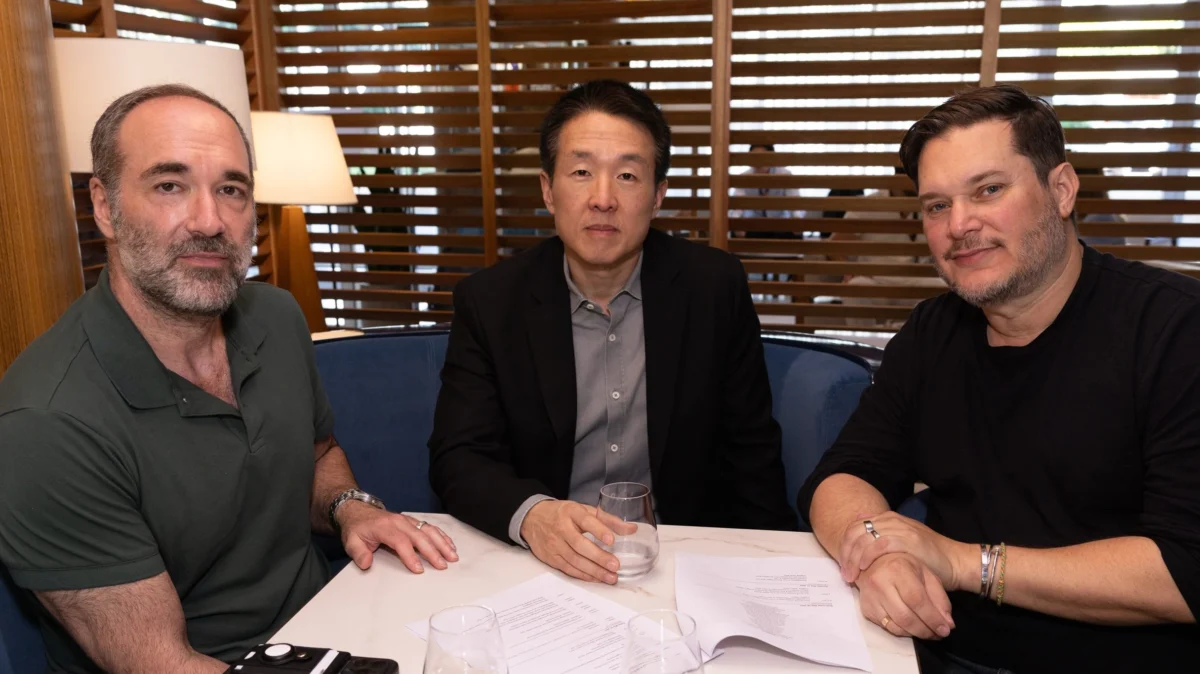
In the hyper-competitive landscape of contemporary horror, where a single breakout hit can redefine a career, the ability to identify and secure high-quality scripts before they hit the open market is the ultimate currency. This strategic imperative serves as the foundational philosophy for Spooky Pictures, the production powerhouse spearheaded by industry veterans Roy Lee and Steven Schneider. Since its inception in 2020, the company has established a reputation for rapid acquisition, ethical filmmaker-first dealmaking, and a knack for nurturing emerging talent, effectively shifting the traditional power dynamic between studios and creators.
The rise of Spooky Pictures is not a stroke of luck but the result of a calculated approach to development and distribution. By leveraging deep-seated industry relationships, the partners—Lee, Schneider, and their longtime collaborator, Ben Ross of Image Nation Studios—have built a pipeline that allows them to bypass the chaotic bidding wars that often inflate budgets and dilute creative control.
A Proven Track Record of Success
The efficacy of the Spooky Pictures model was recently underscored by the performance of Damien McCarthy’s horror feature Hokum. In an industry where mid-budget horror is often a gamble, Hokum stood out as a clear success story. Produced on a lean $5 million budget, the film grossed $25 million upon its release by Neon. This performance serves as a testament to the partners’ ability to identify material that resonates with modern audiences while maintaining fiscal discipline.
The success of Hokum is not an isolated incident. The year 2024 has been particularly prolific for the partnership, with four major film releases that highlight their diverse range. These include Company, directed by Casey Affleck, which premiered at the Venice Film Festival; Guy Nattiv’s The Liberation, which debuted at the Telluride Film Festival and continued its run at the Toronto International Film Festival; and River, which also saw a significant showcase at Toronto. By maintaining a steady output, the trio has effectively built a brand that signifies quality and reliability to both festival curators and theatrical distributors.
The Evolution of the Partnership
The synergy between Roy Lee, Steven Schneider, and Ben Ross is rooted in decades of shared history. Lee and Ross trace their professional origins to their time as production assistants, a period that instilled in them a lasting empathy for the challenges faced by those starting in the industry. Schneider, widely recognized for his instrumental role in the Paranormal Activity franchise, joined forces with Lee in 2020 to formalize their collaboration under the Spooky Pictures banner.
Their first project, the Maika Monroe-starring thriller Watcher, was produced at the height of the COVID-19 pandemic. While the global film industry faced unprecedented shutdowns, the trio capitalized on the agility of their operation. Because their projects are inherently smaller in scale and more contained than massive studio tentpoles, they were able to maintain production momentum when larger competitors were stalled by logistics and overhead.
The Philosophy of Fairness in Dealmaking
One of the most distinct aspects of Spooky Pictures’ business model is their approach to contracts. In an industry where young filmmakers are frequently coerced into "locking" themselves into multi-picture deals—a practice that can trap a director in a cycle of under-market-value work—Spooky Pictures intentionally avoids such predatory clauses.
"The word that we use the most is fair, and we use it all the time," says Ben Ross. The partners maintain that their philosophy is a direct reaction to their own early-career experiences. "When we started our careers and we were on the other side of the table, people were pretty crappy to us. We vowed to treat people the way we wished we had been treated back then."
This commitment to equitable terms has created a "virtuous cycle" for the company. By treating filmmakers well, they build a reputation that encourages agents and representatives to bring them high-quality scripts first. As Roy Lee notes, "Agents avoid getting things to us when they’re friends with the other producers, because they know the client would pick us over everyone else." This preference from the talent side provides them with a competitive edge that money alone cannot buy.
Operational Efficiency and Creative Curation
The logistical efficiency of the trio is striking, particularly in how they manage their time. Unlike many production companies that suffer from "meeting fatigue," the partners have streamlined their communication to ensure that their limited time together is spent on high-impact decision-making. Their virtual meetings are rarely longer than 15 minutes, prioritizing direct, actionable discourse over lengthy, unproductive deliberation. They prefer to conduct their business on set, immersed in the creative process rather than in the boardroom.
Regarding their editorial taste, the partners maintain a broad mandate. "It’s not like we’re looking for three boxes to tick when we get a screenplay," Schneider explains. This flexibility allows them to champion unique voices that might not fit into traditional genre archetypes. They are actively curating a stable of young talent, with several projects currently in development or post-production:
- Anything But Ghosts: Directed by Curry Barker, this $5 million follow-up to his previous film Obsession is currently in post-production.
- 4 X 4: The Event: A project by Alexander Ullom, whose previous $80,000 debut, It Ends, earned $1.1 million globally. 4 X 4 is expected to serve as his major breakout film next year.
Broader Implications for the Horror Genre
The success of the Spooky Pictures model signals a potential shift in how the horror genre is handled in Hollywood. By focusing on projects with budgets under $10 million, the partners mitigate financial risk while maximizing the potential for significant returns on investment. This "low-risk, high-reward" structure is increasingly attractive to studios looking to fill theatrical slates without the massive capital exposure of a $100 million blockbuster.
However, the trio is also prepared to scale when the project demands it. Their upcoming work on The Texas Chainsaw Massacre for A24, directed by Curry Barker, will feature a significantly higher budget, suggesting that the partners are capable of managing larger-scale productions without abandoning the creative sensibilities that brought them success in the independent sector.
Furthermore, individual projects like Roy Lee’s production of Weapons, directed by Zach Cregger, illustrate the intensity of the current market. The script for Weapons ignited a fierce bidding war, a testament to the high demand for original, high-concept horror scripts. When asked about how frequently they encounter projects that generate that level of excitement, the partners offer a glimpse into their rigorous selection process.
While Schneider admits to a high level of enthusiasm, noting that he often fills in creative gaps in scripts that are "not all the way there," Lee provides a more guarded, results-oriented perspective. When asked about his success rate in securing the scripts that he truly loves, Lee asserts with confidence: "I’ve 100 percent gotten every one that I actually absolutely love."
Future Outlook
As the industry continues to grapple with the changing landscape of theatrical distribution and streaming, the role of independent production companies like Spooky Pictures will likely become more prominent. By acting as a filter for quality and a bridge for emerging directors, they provide a necessary service that keeps the horror genre vibrant and commercially viable.
For producers and studios alike, the Spooky Pictures narrative offers a masterclass in modern film production: emphasize relationships over cold contracts, prioritize the creative talent, and maintain a disciplined focus on fiscal health. As they continue to expand their roster and deepen their ties with major distributors, Lee, Schneider, and Ross are not merely participating in the horror market—they are actively shaping its future trajectory. Their commitment to treating filmmakers with integrity, paired with their consistent ability to deliver profitable, high-quality content, ensures that they will remain a dominant force in the genre for the foreseeable future.