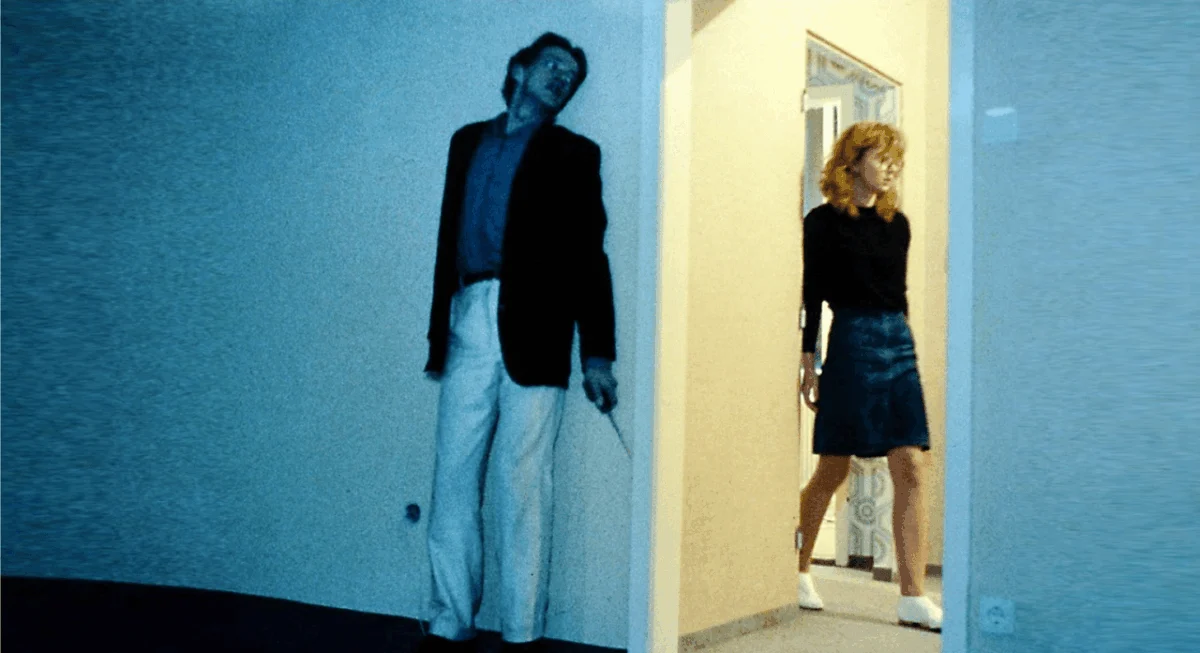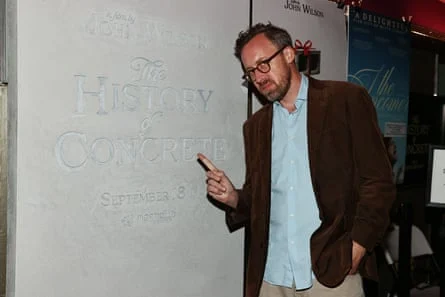
The intersection of urban policy, popular culture, and avant-garde documentary filmmaking has yielded unexpected cultural moments in New York City, highlighted by a viral collaboration between Mayor Zohran Mamdani and acclaimed filmmaker John Wilson. The April promotional video, designed to champion the mayoral administration’s legislative push to reduce the proliferation of sidewalk sheds across the city’s five boroughs, underscored the unique cultural resonance of Wilson’s distinct observational style. For fans of Wilson’s cult-beloved HBO series, How To with John Wilson, the collaboration served as a clear signifier of institutional alignment with the aesthetic of urban scrutiny that defined the program across its critically acclaimed three-season run.
The campaign brought renewed public attention to the pervasive nature of urban scaffolding—a temporary fix that frequently becomes a permanent fixture of New York streetscapes. The initiative has since galvanized broader conversations regarding municipal infrastructure maintenance, urban blight, and the psychological impact of living beneath perpetual metal and wooden frameworks. For Wilson, whose cinematic grammar transforms pedestrian subjects like public restrooms, vehicular parking spaces, and construction shedding into deep meditations on modern alienation, the mayoral nod represents an unlikely crossover between civic administration and underground comedy.
The Evolution of an Urban Autodidact
John Wilson’s artistic trajectory has long been defined by an unblinking focus on the overlooked, the discarded, and the bizarrely mundane elements of contemporary metropolitan existence. Armed with a pocket-sized digital camera and delivering his trademark diffident, deadpan, and memoiristic narration, Wilson established himself as a preeminent chronicler of urban absurdity. His work relies on a digressive narrative structure that mirrors the erratic, associative nature of human thought rather than traditional documentary plotting.
However, following the conclusion of his HBO contract in 2023, Wilson faced a period of creative and professional recalibration. Stripped of the structural security of a network infrastructure and a dedicated writer’s room, the filmmaker navigated a transitional phase characterized by career anxiety and the challenges of securing financial backing for a feature-length project. Despite achieving broader cultural recognition—including a notable pop-culture milestone as a $2,000 question on the quiz show Jeopardy!—transitioning from episodic television to feature filmmaking proved exceptionally difficult within a risk-averse entertainment marketplace.

Pitching the Unmarketable: The Genesis of The History of Concrete
The developmental timeline of Wilson’s debut feature film, The History of Concrete, reflects the systemic hurdles independent documentarians face when pitching unconventional subjects to risk-averse financial backers. In the immediate wake of his television success, Wilson sought to direct his observational lens toward concrete: the second-most consumed substance on earth after water, a foundational component of modern civilization originating in antiquity, and the dominant visual texture of the urban environment.
Initial industry response to the pitch was characterized by what Wilson described as an "absolute emotional flatline." During early development meetings throughout 2023 and 2024, prospective financiers struggled to find commercial viability in a 100-minute cinematic essay dedicated to a ubiquitous building material. Initial attempts to frame the project as an environmental documentary addressing the degradation of American infrastructure met with resistance from commissioners reluctant to engage with systemic urban decay.
Faced with creative stagnation and a lack of institutional permission, Wilson returned to his fundamental methodology: picking up his camera, leaving his Queens apartment, and shooting independently. Drawing inspiration from a Writers Guild of America workshop held during the industry strikes, which emphasized finding narrative catharsis within rigid commercial formats, Wilson resolved to weaponize the market’s own resistance against itself. Rather than abandoning the concept to satisfy commercial expectations, he incorporated the feedback, rejections, and contradictory advice of industry insiders directly into the fabric of the film.
Structure and Thematic Scope of The History of Concrete
The resulting 100-minute feature film, executive produced by fellow auteur Josh Safdie, plays as an extended, formally ambitious iteration of Wilson’s signature style. Far from a straightforward industrial history, The History of Concrete uses the ubiquitous composite material as a thematic spine to explore broader human anxieties, including the struggle for personal motivation, cyclical self-doubt, and the universal desire to construct things that endure.
The narrative chronology of the film spans a disparate array of subcultures and geographical locations. Wilson’s camera moves from high-tech materials science laboratories to corporate summits celebrating women in the concrete industry, and eventually to the Sri Chinmoy Self-Transcendence 3100-Mile Race in Queens, where endurance runners circle a single city block for a month. The production also features detours into Ohio driver’s education classrooms, brick-laying competitions where winners are awarded luxury utility vehicles, and the set of Safdie’s feature Marty Supreme.
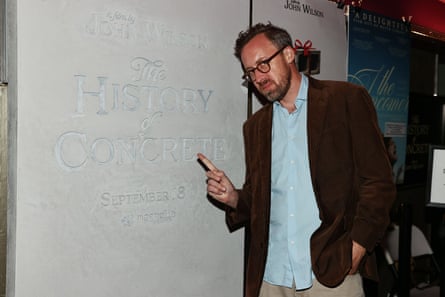
Throughout these diverse vignettes, Wilson maintains his characteristic second-person narrative voice, drawing poignant philosophical insights from unlikely encounters. By juxtaposing institutional testimonies regarding crumbling infrastructure—such as the precarious structural integrity of the Brooklyn-Queens Expressway—with intimate reflections on personal creative blocks, the film constructs a multifaceted portrait of a society simultaneously racing toward technological advancement and grappling with material obsolescence.
Institutional and Cultural Implications
The release of The History of Concrete arrives at a critical juncture for urban infrastructure policy and independent cinema alike. Municipal leaders in major metropolitan areas, including New York City under Mayor Mamdani, face mounting pressure to address the structural degradation of aging post-war infrastructure. Sidewalk sheds, highway overpasses, and crumbling foundations represent billions of dollars in deferred maintenance, posing both economic and aesthetic challenges for urban centers.
At the same time, the film’s production history highlights structural vulnerabilities within the contemporary financing ecosystem for documentary film. The reliance on algorithmic market predictability and safe intellectual property has increasingly marginalized idiosyncratic, essayistic nonfiction storytelling. Wilson’s successful bootstrapping of a feature film about concrete serves as a case study in artistic autonomy, demonstrating that commercial resistance can be subverted to strengthen creative output.
As The History of Concrete completes its theatrical rollout, initial critical reception suggests that Wilson has successfully expanded his distinct perspective into the feature-length format without sacrificing the idiosyncratic curiosity that defined his early work. For audiences navigating an increasingly homogenized visual landscape, Wilson’s commitment to documenting the unvarnished realities of the built environment offers a necessary counterweight—proving that profound truths about the human condition often lie hidden beneath layers of dust, gum, and gray Portland cement.