The 83rd Venice International Film Festival concluded its annual run on the Lido with a diverse and critically acclaimed awards list, effectively silencing earlier industry criticisms regarding gender representation in its main competition lineup. Held against the historic backdrop of the Palazzo del Cinema, this year’s festival navigated initial scrutiny over the selection of filmmakers to deliver a triumphant closing ceremony marked by celebrated international features, incisive investigative documentaries, and strong performances that now set the early pace for the global awards season.
Main Facts of the Festival and Top Winners
The pinnacle of the festival, the prestigious Golden Lion, was awarded to Danish-Egyptian director May el-Toukhy for her gripping historical drama-thriller, Woman Unknown. Set in Denmark in the immediate aftermath of the Second World War, the film explores complex themes of political paranoia, sexual shame, and the societal repercussions of wartime collaboration. El-Toukhy’s victory marks a significant milestone for the festival, offering a direct response to critics who earlier in the week decried the underrepresentation of female directors in the primary selection pool.
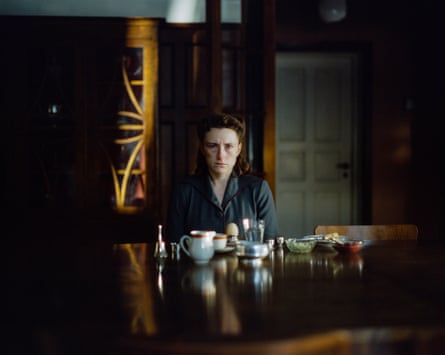
The triumphs for Woman Unknown did not stop at the top prize. Lead actor Mathilde Arcel secured the Volpi Cup for best actress for her compelling performance as Marie, a nanny caught in a web of historical secrets and psychological tension. The film, drawing stylistic comparisons to Alfred Hitchcock’s Rebecca, blends mainstream accessibility with sharp arthouse insights, positioning it for strong commercial distribution outside the traditional festival circuit.

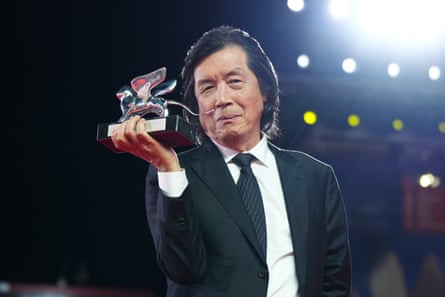
Meanwhile, the Silver Lion Grand Jury Prize was awarded to veteran South Korean auteur Lee Chang-dong for Possible Love. The expansive, novelistic film examines class dynamics through the story of a blue-collar family, traumatized by a local factory strike, who are befriended and ultimately exploited by a wealthy, artistic couple aiming to document their struggles. Lee’s signature subtlety and unhurried pacing earned widespread acclaim from critics in attendance.
The Silver Lion for best director went to Russian filmmaker Ilya Khrzhanovsky for his monumental cinematic achievement, DAU, a fictionalized quasi-biopic of Soviet theoretical physicist Lev Landau. Part of an expansive multimedia project featuring physical reconstructions and analogue stagings rather than digital enhancements, the film stands as a testament to scale and historical ambition.
Chronology and Background Context
The journey to the closing awards ceremony was marked by intense debate and high anticipation. The festival opened under a cloud of industry discourse concerning the inclusion of women filmmakers, with various advocacy groups and critics questioning the institutional structures prioritizing traditional auteur frameworks. However, as screenings progressed throughout the 11-day event, the discourse shifted dramatically toward the quality of the competition slate.
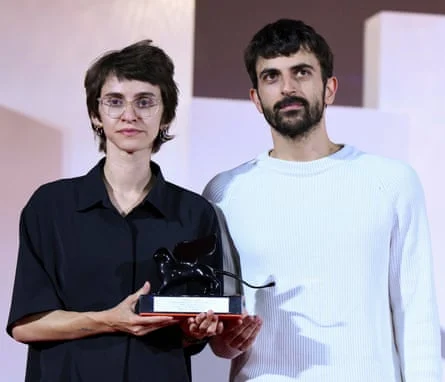
Midway through the festival, the screening of NAZA, an investigative documentary directed by Yuval Abraham and Rachel Szor focusing on the implementation of artificial intelligence in military operations in Gaza, generated unprecedented emotional resonance. The film received a reported 24-minute standing ovation, immediately establishing it as a primary focal point for political and artistic discussion on the Lido.
The final days of the festival balanced this heavy geopolitical weight with lighter, crowd-pleasing fare, most notably Martin McDonagh’s dark political satire Wild Horse Nine. Set in 1973 Chile and starring John Malkovich and Sam Rockwell as disaffected CIA operatives, the film captured the popular imagination and yielded the Volpi Cup for best actor to Malkovich.
Supporting Data and Awards Breakdown
The 83rd Venice Film Festival featured a robust slate of 21 films competing for the Golden Lion, evaluated by an international jury led by prominent cinematic figures. The official palmarès highlights the breadth of international cinema honored this year:
- Golden Lion (Best Film): Woman Unknown directed by May el-Toukhy
- Silver Lion Grand Jury Prize: Possible Love directed by Lee Chang-dong
- Silver Lion (Best Director): Ilya Khrzhanovsky for DAU
- Volpi Cup for Best Actress: Mathilde Arcel for Woman Unknown
- Volpi Cup for Best Actor: John Malkovich for Wild Horse Nine
- Special Jury Prize: NAZA directed by Yuval Abraham and Rachel Szor
Official Responses and Industry Statements
Festival organizers and international film bodies faced intense media scrutiny regarding geopolitical events and internal curation policies throughout the fortnight. Addressing the press following the announcement of the winners, festival director Alberto Barbera emphasized the autonomy and artistic integrity of the selection committee.
"Our primary objective has always been to present the highest caliber of international cinema while reflecting the complex realities of our contemporary world," Barbera stated during the closing press conference. "The diversity of this year’s winners demonstrates that artistic excellence transcends geographical and demographic boundaries."
The recognition of NAZA with the Special Jury Prize was met with statements from co-directors Yuval Abraham and Rachel Szor, who dedicated their award to transparency and journalistic integrity. Producers from the Guardian noted the importance of providing a platform for rigorous investigative documentary work within major cultural institutions.
Broader Impact and Awards Season Implications
Historically, the Venice Film Festival serves as the unofficial starting gate for the autumn awards season, frequently forecasting contenders for the Academy Awards. The victory of John Malkovich for Wild Horse Nine immediately elevates his profile in the best actor race, injecting traditional Hollywood-adjacent glamour into an otherwise heavily arthouse-oriented festival slate.
Furthermore, the critical acclaim and commercial potential surrounding May el-Toukhy’s Woman Unknown signal a shift in how major European festivals bridge the gap between high-end prestige cinema and broad theatrical viability. By honoring films that engage directly with historical trauma, contemporary geopolitical conflicts, and intricate psychological narratives, the Venice Film Festival has reinforced its cultural relevance in an evolving global media landscape. As international distributors acquire the slate’s standout titles, the long-term impact of the 83rd edition will likely be measured by the global theatrical reach of its winners.