The ongoing migration of premier digital content creators from independent web platforms to traditional streaming ecosystems has reached another significant milestone. Netflix has officially confirmed that The Besties, the highly successful collaborative YouTube project spearheaded by digital media personalities Mackenzie Turner and Lael Hansen, will premiere a curated collection of episodes on the platform in October 2026. This strategic acquisition underscores the streaming giant’s aggressive commitment to capturing the attention of younger demographics who increasingly bypass traditional linear television in favor of creator-led digital programming.
The upcoming release, timed strategically to coincide with the Halloween season, highlights a broader industry shift. As traditional media consumption habits evolve among Generation Z and Generation Alpha, major subscription video-on-demand services are recognizing that digital-native creators possess unmatched engagement metrics, fiercely loyal communities, and proven formats that translate effectively to living room screens.
The Rise of The Besties and Digital Powerhouses
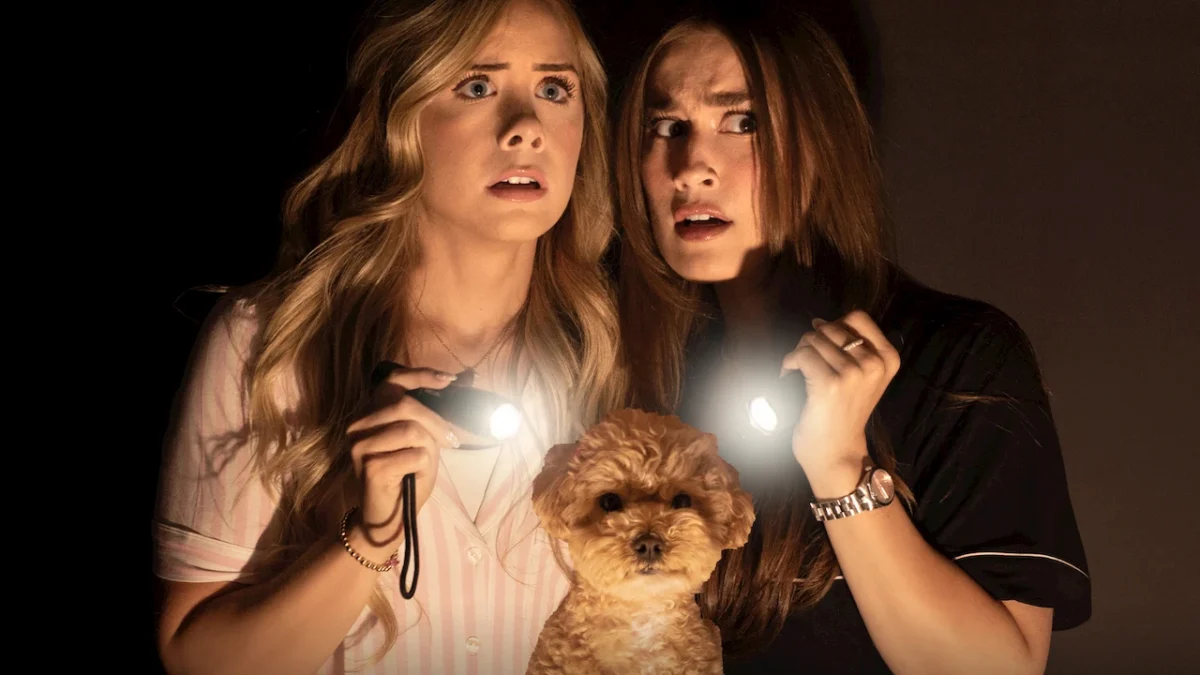
Launched as a collaborative venture between Canadian content creators Mackenzie Turner and Lael Hansen, The Besties has evolved from a fledgling experiment into a digital media juggernaut. At the time of the announcement, the collaborative channel commands an audience of more than 3.26 million subscribers, having accumulated over 1.5 billion total views across its library. The channel’s core programming consists of high-energy vlogs, immersive Roblox roleplay scenarios, and elaborate collaborative challenges designed to appeal to younger viewers.
However, the individual footprints of the co-hosts are equally formidable. Mackenzie Turner has established herself as a multi-platform powerhouse, boasting a following of over 5 million users on TikTok, an additional 2.6 million subscribers on her dedicated gaming channel, Mackenzie Turner Roblox, and extensive reach across Instagram. Her co-host and long-time collaborator, Lael Hansen, commands a robust solo audience exceeding 1.17 million subscribers on her primary YouTube channel, supplemented by hundreds of thousands of followers across competing short-form video platforms.
The synergy between the two creators has allowed them to cross-pollinate audiences effectively, creating a self-sustaining ecosystem of digital entertainment. Their transition to Netflix represents a natural evolution from independent web broadcasting to premium, curated long-form media distribution.
Anatomy of the Netflix Partnership and Spooky Content Strategy
According to official loglines released by Netflix, the upcoming streaming collection will lean heavily into the thematic elements that have defined the duo’s most popular seasonal broadcasts. The series will feature Turner and Hansen hosting elaborate, themed slumber parties characterized by interactive scary games, appearances by specialized guests, and late-night theatrical frights.
Industry analysts note that the October 2026 release window is a calculated programming decision. By positioning a creator-led, youth-oriented horror-comedy series during the peak Halloween viewing period, Netflix aims to capture both the core demographic of existing subscribers and a new wave of younger viewers migrating from YouTube.
While the streaming service has yet to announce the exact day-and-date premiere schedule for October, industry observers anticipate a coordinated marketing rollout featuring digital promos across both the creators’ social channels and Netflix’s official corporate handles. This dual-marketing approach has become a hallmark of modern media acquisitions, leveraging the organic reach of digital stars to drive platform subscriptions.
Chronology of the Creator-to-Streaming Pipeline
The journey of digital-native creators finding homes on major streaming networks has developed over the past decade, shifting from isolated experiments to a formalized industry pipeline.
The initial wave of creator crossovers occurred in the mid-2010s, characterized by platforms attempting to build entirely original narrative series for personalities who had found fame on YouTube and Vine. Early experiments, such as Miranda Sings’ Haters Back Off! on Netflix, demonstrated that digital stars could anchor narrative scripted content, though the results varied in commercial viability.
By the late 2010s and early 2020s, the strategy evolved toward licensing established, high-performing library content. The most notable watershed moment in this category was Netflix’s multi-year acquisition strategy surrounding CoComelon, which proved that preschool and family-oriented digital animation could consistently dominate global streaming charts.
However, the landscape underwent its most radical transformation between 2024 and 2026. Rather than merely purchasing back-catalogs of existing videos, major streaming platforms began actively partnering with top-tier creators to produce exclusive, high-production-value seasons designed specifically for living room audiences. Throughout 2026, Netflix has systematically accelerated this pipeline, licensing and co-producing content with some of the most prominent digital entities on the internet, bridging the gap between independent web broadcasting and studio-grade distribution.
Industry Implications and Audience Demographics
The strategic pivot toward digital creators is rooted in hard demographic data regarding media consumption habits. Media research consistently indicates that consumers belonging to Generation Z and Generation Alpha allocate a disproportionate share of their daily screen time to platforms like YouTube, TikTok, and interactive gaming environments such as Roblox, rather than scheduled cable television or traditional subscription networks.
For Netflix, integrating creators like Mackenzie Turner and Lael Hansen serves a dual purpose. First, it functions as a powerful customer acquisition and retention tool, offering familiar, trusted personalities to households with children and teenagers. Second, it validates the cultural relevance of digital creators, elevating them from internet personalities to globally distributed mainstream entertainers.
Entertainment business analysts suggest that this trend will continue to reshape talent management and production economics. Traditional television production companies are increasingly adopting the rapid-iteration, community-driven content strategies pioneered by YouTube creators, while digital stars are investing heavily in production quality to meet the technical standards required by major streaming platforms.
As the October 2026 premiere date approaches, the industry will be watching closely to see how The Besties performs within a traditional subscription video-on-demand environment. If the transition proves successful, it will undoubtedly pave the way for a broader wave of digital-first talent to secure high-profile distribution deals, permanently altering the boundary between independent web creation and institutional entertainment media.