A Departure from Experimental Roots
The original 2024 film became a hallmark of the “elevated horror” subgenre, often compared to the slow-burn pacing of Gus Van Sant’s Elephant filtered through the aesthetic of a classic 1980s slasher. By documenting the methodical path of the antagonist, Johnny—a reanimated, supernatural force of nature—the film discarded traditional jump scares in favor of a voyeuristic examination of violence.
In contrast, In A Violent Nature Part 2 abandons this experimental detachment. The sequel, which received a surprise premiere at the 2026 Fantastic Fest, adopts a more conventional narrative framework. The plot centers on Alex, a 14-year-old camper portrayed by Lucas Nguyen, whose emotional isolation and bullying serve as the film’s primary emotional anchor. The shift from a villain-centric POV to a victim-centric perspective marks a significant departure in the franchise’s creative philosophy, moving away from the “gimmick” of the original and toward a structure more aligned with the subgenre’s historical conventions.
Narrative Chronology and Plot Development
The timeline of the sequel is immediate, picking up directly from the conclusion of the first film. The narrative introduces a new piece of franchise lore: the "whistle ritual." According to the established mechanics of the sequel, Johnny can be summoned to execute those who have wronged a specific individual, provided the summoner blows a whistle three times. This narrative device creates a bridge between the protagonist’s personal trauma and the ensuing carnage.
The film follows Alex through the final hours of a summer camp session at Camp Puddingstone. After enduring systematic bullying that causes him to miss his scheduled transportation home, Alex is forced to remain at the facility under the supervision of his sister, a camp counselor. This leads to a sequence of events where Alex attempts to navigate the social hierarchy of the camp’s end-of-summer festivities. The director captures a liminal space in the teenager’s development—a transitional period where he is no longer a child but lacks the social agency or maturity of the counselors he observes. This segment serves as a traditional coming-of-age trope, grounding the audience in Alex’s perspective before the inevitable descent into chaos.
The Evolution of Practical Effects
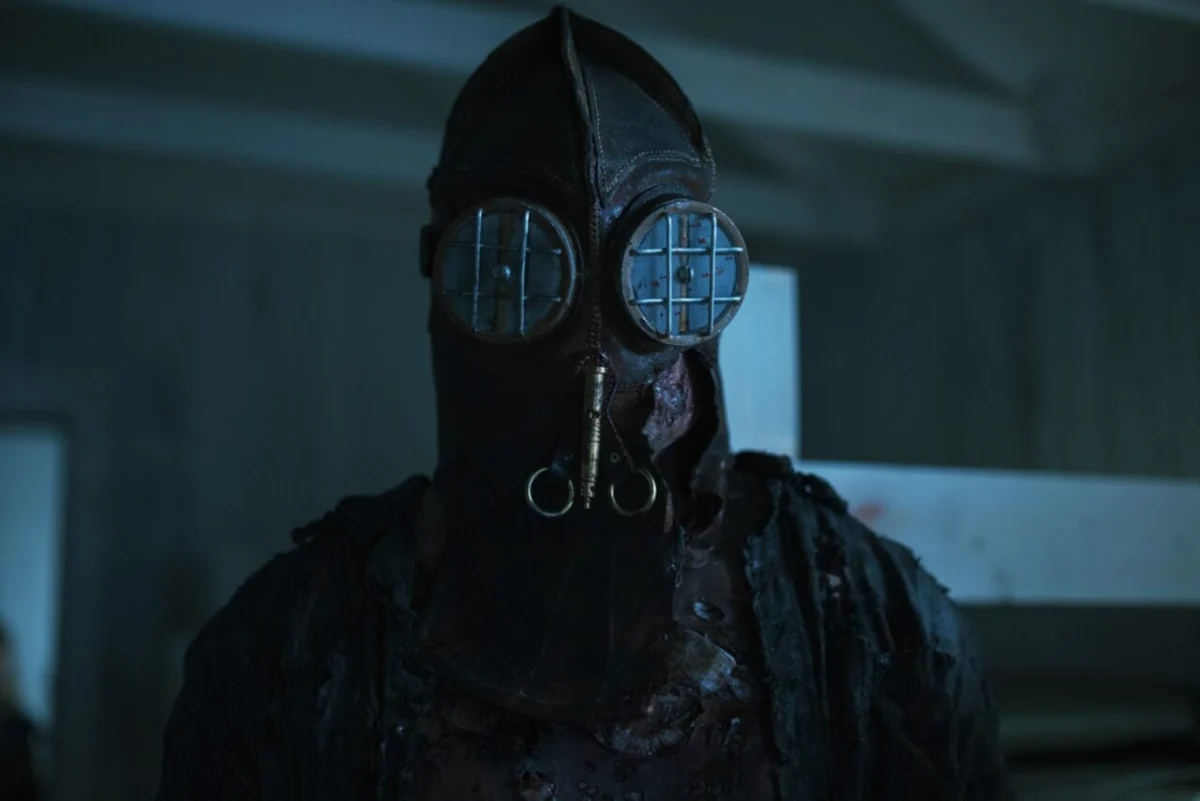
While the film’s narrative structure has drawn comparisons to standard slasher fare, the production’s commitment to practical effects has reached a new peak. Industry observers note that the team, led by Nash and Wilson, has significantly increased the technical complexity of the film’s "kill sequences." Where the first film utilized violence as a punctuation mark for its slow-paced exploration, the sequel utilizes it as the primary spectacle.
The technical execution of these sequences has been described by early attendees as bordering on the operatic. Influences from body-horror classics, such as the Hellraiser franchise, are evident in the staging and lighting of the gore. By focusing on the "artistry" of the kills, the production team has successfully pivoted the franchise’s appeal. If the first film was a character study of a monster, this sequel functions as a technical showcase for modern practical effects, aiming to satisfy a segment of the audience that found the pacing of the original entry too restrictive.
![‘In A Violet Nature Part 2’ Review: A Shocking Crowd Pleaser Chock Full Of Guts [Fantastic Fest]](https://www.dreadcentral.com/wp-content/uploads/2026/02/PS-378-DUCK-AND-COVER-photo-by-D-scaled-e1789918851973.jpg)
Production and Performance Analysis
Ry Barrett returns to the role of Johnny, maintaining a consistent physical performance that emphasizes the character’s relentless, non-verbal nature. However, the emotional weight of the film rests on Lucas Nguyen. His portrayal of an emotionally stunted adolescent provides a stark contrast to the hollow, supernatural presence of the antagonist.
The integration of these two styles—the intimate, teenage drama and the high-octane slasher violence—creates a distinct tonal dissonance. Analysis of the film’s structure suggests that the creative team intended to contrast the mundane misery of high school social dynamics with the extreme, visceral nature of the antagonist’s violence. However, the transition between these two halves has sparked debate among critics regarding the film’s overall cohesion. The "clunky" marriage of slow, lingering shots—a nod to the first film—and the rapid-fire horror of the second half, leaves viewers with a disjointed experience that challenges the viewer’s expectations of what a sequel in this franchise should represent.
Broader Implications for the Slasher Subgenre
The release of In A Violent Nature Part 2 poses an interesting question regarding the sustainability of meta-horror. In an era where the slasher genre is frequently being deconstructed, reinvented, or satirized, the decision to pivot toward a more conventional, "crowd-pleasing" structure is a strategic move.
By delivering a high body count and visceral, technically impressive kills, the production team has successfully widened the potential appeal of the franchise. Yet, this success comes at the cost of the unique, "art-house" identity established in 2024. The film serves as a case study for the tension between artistic experimentation and commercial viability. It demonstrates that while audiences may be initially drawn to an innovative premise, the pressures of franchise management often necessitate a return to familiar tropes.
Conclusion and Market Position
The 2026 Fantastic Fest screening confirmed that while the creative team may have abandoned the specific stylistic experiment of the first film, they have not lost their ability to command attention. The sheer technical prowess on display ensures that In A Violent Nature Part 2 will remain a topic of discussion in horror circles for the foreseeable future.
Whether this shift is viewed as a betrayal of the original vision or a successful maturation of the franchise depends on the viewer’s preference for atmosphere versus spectacle. Regardless, the film has achieved its goal of cementing Johnny’s status as a formidable, modern cinematic monster. With its blend of traditional coming-of-age tropes, high-end practical gore, and a return to the roots of the summer camp slasher, the sequel is positioned to be a significant, if contentious, entry in the history of the genre. The film stands as a testament to the fact that even within the confines of a "paint-by-the-numbers" format, high-level technical skill can elevate a production from a standard slasher to a memorable, albeit polarizing, cinematic experience.