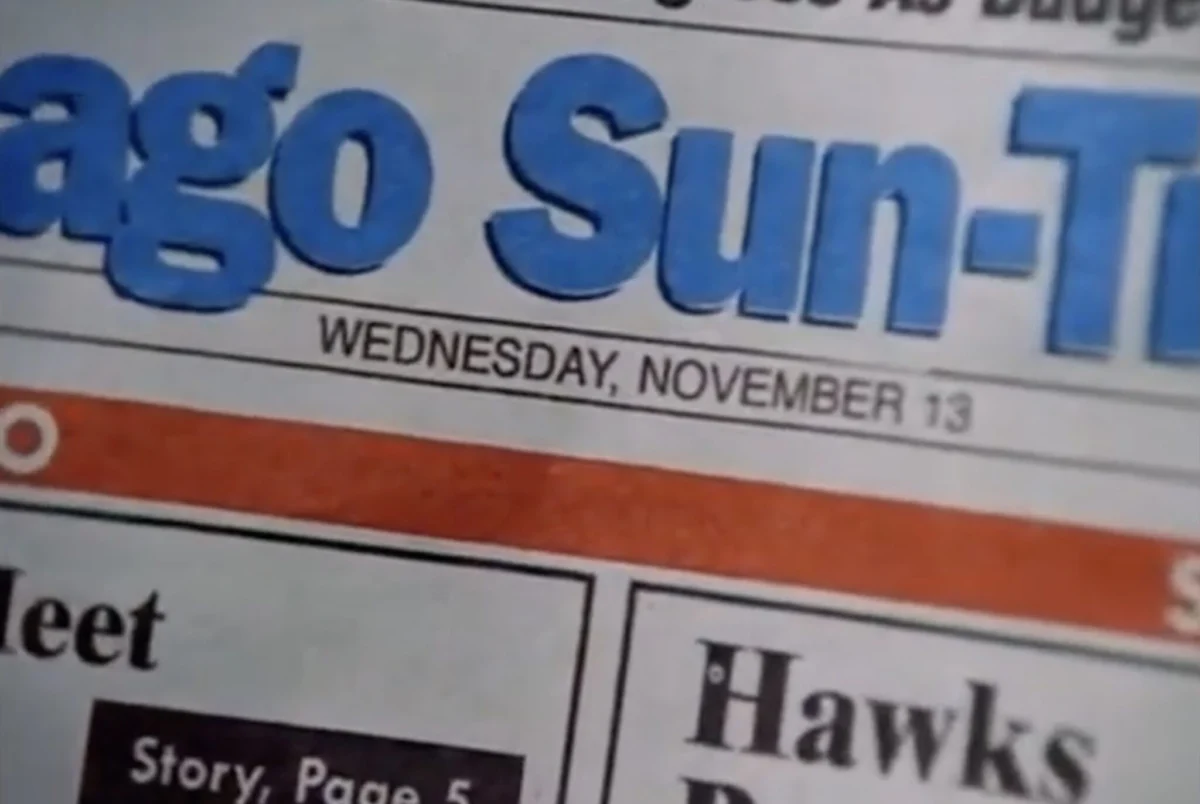
The landscape of 1990s television was dominated by high-concept science fiction, gritty police procedurals, and cynical sitcoms that frequently interrogated the moral failings of their protagonists. Amidst this backdrop of societal anxiety and institutional mistrust, CBS launched a distinct brand of speculative drama that prioritized altruism over cynicism. Premiering in the autumn of 1996, the fantasy-drama series Early Edition followed the unexpected journey of Gary Hobson, a former stockbroker who mysteriously receives the following day’s edition of the Chicago Sun-Times every morning at 6:30 a.m. As the series approaches its milestone thirtieth anniversary in September 2026, media analysts, television historians, and devoted fans are re-evaluating the cultural footprint of a show that championed municipal civic duty and the compounding impact of individual acts of kindness.
Main Facts and Premise of Early Edition
Created by Ian Abrams, Patrick Q. Page, and Vik Rubenfeld, Early Edition ran for four seasons on CBS, broadcasting a total of 92 episodes between September 28, 1996, and May 27, 2000. The series starred Kyle Chandler in his first major television lead role as Gary Hobson, a newly divorced financial executive who takes up residence at Chicago’s historic Blackstone Hotel following his separation.
The narrative catalyst of the series occurs when Gary begins receiving the next day’s Chicago Sun-Times, accompanied by a mysterious, pristine orange cat that appears outside his hotel door regardless of his current location. Equipped with advance knowledge of tragedies, crimes, and accidents slated to occur within the metropolitan area, Gary is thrust into the role of an everyday guardian. He ultimately resigns from his corporate profession, acquires a local tavern to serve as a community hub, and dedicates his waking hours to intervening in the lives of strangers.
Throughout his mission, Gary is aided by confidants who gradually learn of his burden, including his legally blind former colleague Marissa Clark, portrayed by Shanesia Davis-Williams, and his cynical friend Chuck Fishman, played by Fisher Stevens during the show’s first two seasons. The series deliberately avoids offering concrete, definitive explanations regarding the supernatural origin of the newspaper, leaving the true identity of the paper’s distributors—and whether a divine or temporal entity orchestrates the deliveries—ambiguous throughout its run.
Chronology and Production Background
The development of Early Edition began in the mid-1990s, drawing conceptual inspiration from cinematic precursors such as the 1944 RKO feature film It Happened Tomorrow, which explored a similar premise of a journalist receiving tomorrow’s news a day early. However, while the cinematic predecessor utilized the premise for personal maneuvering, the television creators focused the narrative outward toward altruism and community intervention.

Production of Early Edition distinguished itself by committing to on-location shooting within the city of Chicago, Illinois. Unlike concurrent medical and legal dramas of the era that utilized California soundstages while establishing a Midwestern setting, the production team utilized authentic Chicago backdrops, incorporating local landmarks, harsh winter weather, and recognizable neighborhood architecture. This geographic authenticity resonated deeply with local audiences and contributed to the show’s enduring reputation as a faithful representation of the city.
During its initial broadcast run, the series faced typical scheduling challenges common to network dramas of the late 1990s. Despite earning a dedicated viewership and critical praise for its family-friendly moral framework—which frequently aligned its syndication trajectory with networks such as the Hallmark Channel and Fox Family in subsequent years—CBS concluded the series in May 2000 following the completion of its fourth season.
Supporting Data and Genre Context
Television historians categorize Early Edition within a specific sub-genre of late-20th-century American television that emphasized episodic moral remediation and existential optimism. Contemporaneous programs sharing these thematic elements included Quantum Leap, Due South, and Northern Exposure.
Data regarding the late-1990s media landscape illustrates a stark dichotomy in storytelling trends. While Hollywood cinema and prime-time television heavily reflected anxieties surrounding technological advancement, impending millennium paranoia, and systemic corruption—exemplified by blockbuster features like Independence Day and The Matrix—feel-good speculative dramas occupied a vital counter-programming niche.
Quantitatively, Early Edition maintained stable, moderate ratings throughout its four-season broadcast, regularly pulling in millions of household viewers on Saturday nights—a notoriously difficult slot for network television viewership. Its longevity has been sustained through international syndication and digital distribution, though contemporary streaming availability remains constrained, prompting ongoing advocacy from archival preservationists and fan coalitions.
Statements and Industry Reactions
While contemporary executive commentary from the original 1996 broadcast windows remains largely archival, retrospectives from television critics and cultural commentators have increasingly spotlighted the series as an underrated blueprint for episodic character-driven drama.

Industry analysts note that Kyle Chandler’s performance in Early Edition served as the foundational stepping stone for a prolific career that later yielded critical acclaim in acclaimed projects such as Friday Night Lights, Super 8, and Zero Dark Thirty. Observers frequently contrast Chandler’s grounded, blue-collar portrayal of Gary Hobson with the hyper-stylized protagonists of modern prestige television, noting that his depiction of an ordinary man burdened by an extraordinary civic responsibility established a template for relatable, empathetic heroism.
Furthermore, cultural critics have emphasized the show’s unique perspective on faith and existential purpose. Unlike overtly didactic religious programming of the same era, Early Edition framed morality as a secular, practical necessity rather than an ideological requirement. The central thesis—that possessing knowledge of impending harm carries an inherent obligation to act, regardless of divine validation or systemic reward—resonates with modern discussions surrounding civic engagement and digital-age responsibility.
Broader Impact and Implications
As Early Edition approaches its thirtieth anniversary, television researchers are examining its broader implications for modern media consumption. In an era where contemporary streaming platforms frequently favor serialized cynicism, dystopian world-building, and anti-hero narratives, the episodic simplicity of 1990s moral dramas offers a distinct counterpoint.
The anniversary has also catalyzed renewed discussions regarding media preservation and accessibility. With the series currently absent from major subscription streaming libraries, advocates point to the logistical hurdles facing physical media archives and intellectual property rights holders as a microcosm of broader challenges in television preservation.
As audiences and critics prepare to mark three decades since Gary Hobson first opened his hotel door to the orange cat and tomorrow’s headlines, the legacy of Early Edition endures as a testament to the storytelling power of incremental empathy. Whether viewed through the lens of nostalgic comfort viewing or studied as a unique artifact of late-century television history, the series continues to prompt a timeless question to its viewers: if given the foresight to change the world around them, what would they choose to do about it?