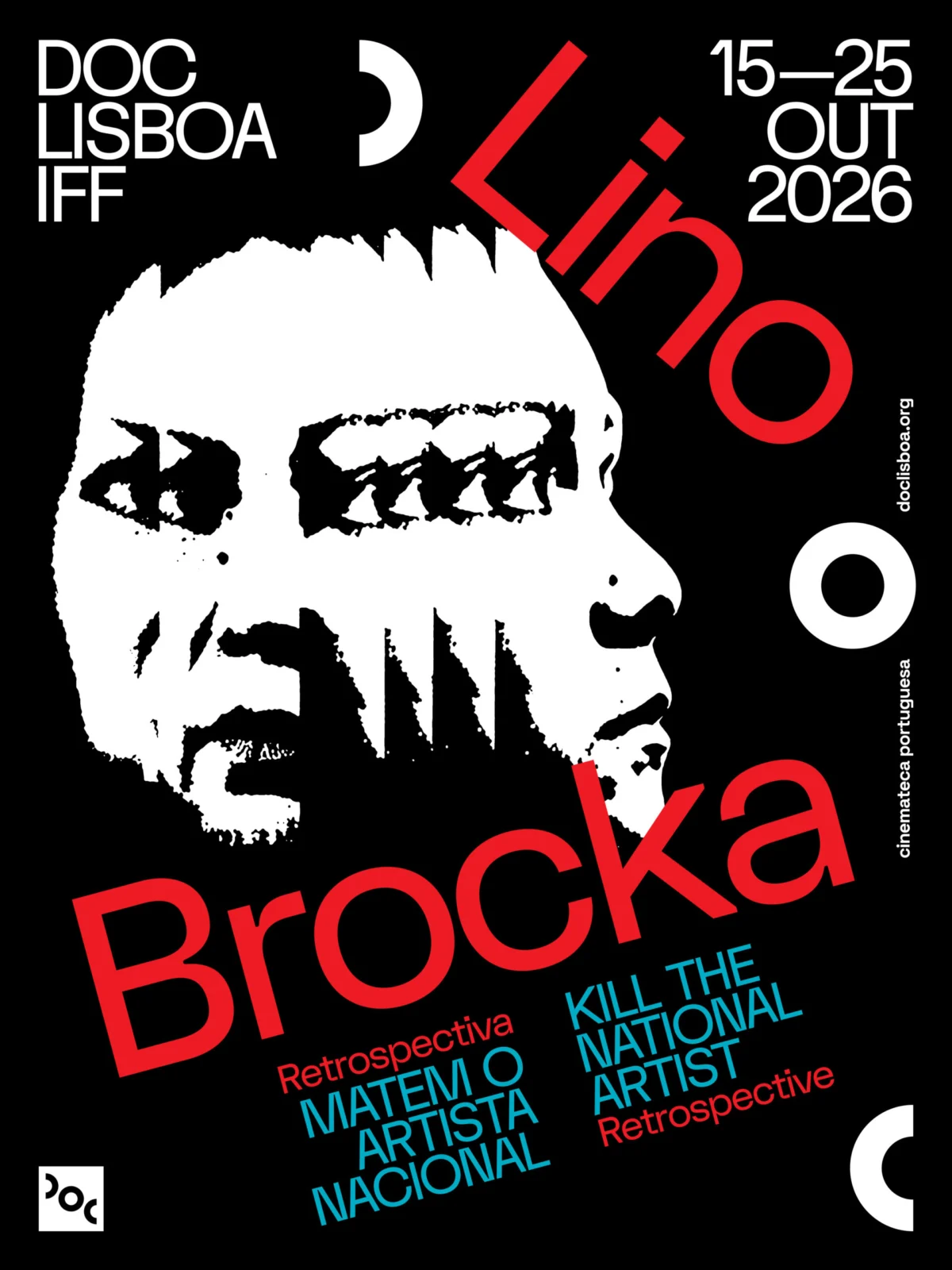
Doclisboa, in a significant collaborative endeavor with the Cinemateca Portuguesa, is poised to present an unparalleled retrospective dedicated to the towering figure of Filipino cinema, Lino Brocka. Scheduled to unfold from October 15 to 25, 2026, this ambitious program promises to be a definitive exploration of a filmmaker whose work profoundly shaped both national and international cinematic landscapes.
Curated by the acclaimed Filipino artist and director Khavn de la Cruz, in close cooperation with the programming teams of both Doclisboa and the Cinemateca Portuguesa, the retrospective bears the provocative title "Lino Brocka: Kill the National Artist." This nomenclature itself signals an intent to delve beyond conventional accolades, aiming to present a raw and incisive look at Brocka’s radical artistry. Organizers anticipate this event will stand as one of the most comprehensive retrospectives ever mounted on Brocka’s prolific and impactful filmography, offering audiences a rare opportunity to engage with the breadth and depth of his vision.
The Genesis of a Cinematic Titan: Lino Brocka’s Formative Years and Vision
Lino Brocka (1939-1991) emerged as a transformative force in Philippine cinema during a period of intense social and political upheaval. His career, spanning just over two decades from the early 1970s until his untimely death in 1991, was characterized by an astonishing productivity, directing more than 60 feature films. This remarkable output established him as a principal architect of what is widely considered the Second Golden Age of Philippine Cinema, a period marked by a resurgence of artistic ambition and critical social commentary.
Brocka’s distinctive cinematic language was forged in the crucible of Philippine realities. Born in Pilar, Sorsogon, he initially pursued a career in theater, a foundation that instilled in him a profound understanding of dramatic structure and character development. This theatrical sensibility, combined with his deeply empathetic perspective on human suffering, translated seamlessly into his filmmaking. He possessed an uncanny ability to navigate the complex interplay between popular entertainment and serious auteurist cinema, frequently blending elements of melodrama, raw sensuality, and visceral violence to craft narratives that resonated deeply with the masses while earning critical acclaim globally.
His films were not mere entertainment; they were incisive social documents. Brocka relentlessly peeled back the layers of Philippine society, exposing the stark inequalities, the crushing weight of urban poverty, the insidious nature of political repression, and the tenacious aspirations of those relegated to the margins. He gave voice to the voiceless, depicting the lives of slum dwellers, sex workers, exploited laborers, and political dissidents with an unflinching honesty that often courted controversy with the prevailing authoritarian regime.
"Kill the National Artist": A Curatorial Statement
The provocative title, "Lino Brocka: Kill the National Artist," is expected to be a central talking point of the retrospective. Brocka was posthumously declared a National Artist of the Philippines for Film in 1997, the highest cultural honor bestowed by the Philippine government. While acknowledging this official recognition, the title curated by Khavn de la Cruz suggests a deeper, perhaps more challenging, interpretation of Brocka’s legacy. It could be seen as an invitation to move beyond the institutionalized veneration and instead engage with the radical, subversive, and often uncomfortable truths embedded in his work.
Khavn de la Cruz, himself a filmmaker known for his experimental and often transgressive approach, is uniquely positioned to offer such a re-contextualization. His curatorial vision likely seeks to highlight Brocka’s role as an agitator, a social critic who consistently challenged the status quo, even at personal risk. The "killing" of the "National Artist" might metaphorically imply dismantling the sanitized, official narrative to rediscover the raw, revolutionary spirit that defined Brocka’s artistic and political stance. It suggests that Brocka’s true power lies not in his posthumous title, but in his enduring capacity to provoke thought, stir conscience, and inspire resistance.
A Chronology of Social Realism and Artistic Defiance
Brocka’s filmography is a rich tapestry woven with narratives that reflect the tumultuous socio-political landscape of the Philippines, particularly during the Marcos dictatorship (1972-1986). His works serve as invaluable historical artifacts, chronicling the lived experiences of a nation under duress.
One of his earliest and most enduring masterpieces, "Manila in the Claws of Light" (Maynila: Sa Kuko ng Liwanag) from 1975, remains a cornerstone of Philippine cinema. This stark, neorealist portrayal follows a young man from the provinces who arrives in Manila in search of his lost love, only to confront the brutal realities of urban exploitation, corruption, and the dehumanizing grip of poverty. The film’s recent restoration and re-release have cemented its status as a global classic, offering a timeless critique of unchecked capitalism and social decay.
In 1976, Brocka continued his streak of critical success with "Insiang," which made history as the first Filipino film ever to be screened at the Cannes Film Festival (in the Directors’ Fortnight section). This harrowing tale, set in the squalid slums of Tondo, explores themes of sexual abuse, matriarchal power dynamics, and a woman’s desperate quest for revenge. Its raw emotional intensity and uncompromising depiction of violence cemented Brocka’s reputation as a fearless storyteller.
The late 1970s saw Brocka’s international profile rise further with films like "Jaguar" (1979), which earned a nomination for the prestigious Palme d’Or at Cannes. This film masterfully dissects class struggle through the eyes of a security guard whose loyalty to his wealthy employer leads him into a moral quagmire, ultimately exposing the false promises of social mobility and the brutal realities of subservience.
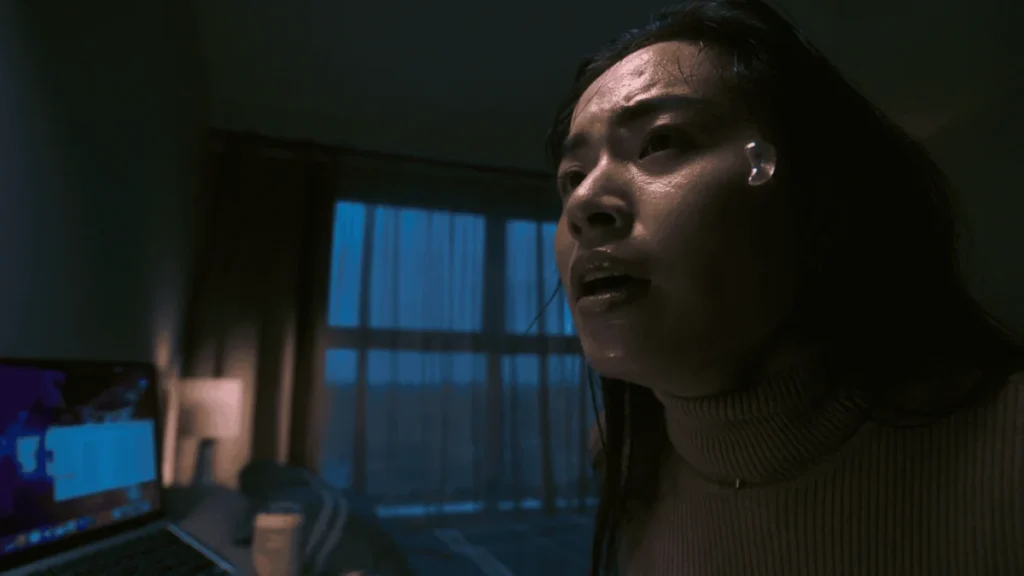
"Bona" (1980), starring the iconic Nora Aunor, became another critical and commercial success, delving into the psychology of obsession and exploitation. This film, central to the retrospective’s preview, offers a devastating portrait of a young woman’s descent into a cycle of humiliation for an undeserving idol.
As the Marcos regime tightened its grip, Brocka’s films became increasingly explicit in their political commentary. "This Is My Country" (Bayan Ko: Kapit sa Patalim) from 1984, for example, directly addressed labor exploitation and the burgeoning resistance movement against the dictatorship. The film’s bold critique led to censorship challenges and Brocka’s own arrest, further solidifying his image as a defiant voice of dissent.
Even after the EDSA People Power Revolution in 1986, Brocka continued to explore the underbelly of society. "Macho Dancer" (1988), for instance, offered an unflinching look into the lives of young male sex workers in Manila, examining themes of poverty, survival, and identity in the urban underworld. This continued commitment to marginalized communities underscored his unwavering dedication to social realism, regardless of the political climate.
The Provocative Power of "Bona": A Special Preview
Ahead of the full retrospective, the Cinemateca Portuguesa will host a special preview screening of "Bona" on the evening of July 17, 2026. This outdoor screening on the Cinemateca’s terrace offers an early glimpse into the master’s work and highlights a film that has experienced a significant international rediscovery in recent decades.
Released in 1980, "Bona" is celebrated for one of the most memorable and haunting performances in Philippine cinema by the legendary Nora Aunor. The narrative follows Bona, a young woman whose life spirals into an all-consuming obsession with an unsuccessful and emotionally abusive actor. As she dedicates herself entirely to his service, she is gradually drawn into a harrowing cycle of exploitation and humiliation, meticulously depicted by Brocka. Through Bona’s tragic experience, the film constructs a devastating critique of societal illusions, the pervasive nature of social inequality, and the destructive, unequal relationships fostered by poverty and desperation. "Bona" is now widely considered one of Brocka’s undisputed masterpieces, a testament to his profound understanding of human psychology and societal pressures.
Brocka’s Political Activism and Cultural Resistance
Lino Brocka’s significance extends far beyond his cinematic achievements; he was a vital figure in the Philippines’ cultural resistance movement during the Ferdinand Marcos dictatorship. A fervent advocate for freedom of expression and human rights, Brocka utilized his art as a powerful vehicle for social criticism and civic engagement. He famously stated, "I am a filmmaker, but I am also a Filipino. I cannot separate the two." This ethos guided his career, ensuring that his creative output was inextricably linked to the socio-political struggles of his nation.
He co-founded the Free the Artists Movement (FAM), an organization dedicated to fighting censorship and advocating for artistic freedom under the oppressive regime. His outspoken criticism often put him at odds with the authorities, leading to his arrest and imprisonment in 1985. Even from jail, Brocka continued his defiance, famously directing a short film about his experience while incarcerated. His unwavering commitment to democratic ideals and his courage in the face of tyranny made him a symbol of resistance for many Filipinos and an inspiration for artists worldwide. Brocka proved that cinema could be both a powerful tool for social change and an uncompromised form of artistic expression.
Doclisboa and Cinemateca Portuguesa: Guardians of Cinematic Heritage
The partnership between Doclisboa and the Cinemateca Portuguesa underscores a shared commitment to exploring the boundaries of cinema and preserving its global heritage. Doclisboa, renowned for its focus on documentary, non-fiction, and films that engage deeply with reality, finds a natural alignment with Brocka’s social realist approach. His works, while often fictional narratives, possess an undeniable documentary quality in their unflinching portrayal of lived experiences and societal truths. The festival’s programming often seeks to challenge perceptions and foster critical dialogue, making Brocka’s challenging oeuvre an ideal fit.
The Cinemateca Portuguesa, as the national film archive and museum, plays a crucial role in safeguarding and exhibiting cinematic history. Its involvement ensures that the retrospective will benefit from meticulous presentation and scholarly context, providing a robust platform for both seasoned cinephiles and new audiences to discover or rediscover Brocka’s work. This collaboration represents a significant cultural exchange, bringing a pivotal figure of Asian cinema to a prominent European stage, fostering a deeper understanding of diverse cinematic traditions and their universal resonance.
Statements and Anticipation
Officials from both Doclisboa and the Cinemateca Portuguesa are expected to articulate their enthusiasm for this landmark event. A representative from Doclisboa might highlight how Brocka’s work perfectly encapsulates the festival’s ethos of exploring reality through diverse cinematic lenses, emphasizing his unique ability to blend intense personal drama with profound social commentary. Similarly, a spokesperson from the Cinemateca Portuguesa could underscore the importance of preserving and presenting the work of international masters like Brocka, noting the educational and cultural value this comprehensive retrospective brings to Portuguese audiences and beyond.
Curator Khavn de la Cruz is anticipated to provide further insight into his curatorial vision, particularly the challenging title "Kill the National Artist." He is likely to elaborate on how the retrospective aims to celebrate Brocka not just as a revered national icon, but as a vital, often confrontational, voice whose relevance continues to resonate in contemporary global discourse.
The Embassy of the Philippines in Portugal has also expressed its support for "Lino Brocka: Kill the National Artist," recognizing it as a crucial platform for cultural diplomacy. An embassy official might convey pride in Brocka’s enduring legacy and his role in elevating Philippine cinema on the international stage, seeing the retrospective as an opportunity to foster greater understanding and appreciation of Filipino culture and history through his powerful films.
Global Resonance and Future Implications
"Lino Brocka: Kill the National Artist" is poised to be more than just a series of film screenings; it represents a significant cultural event with far-reaching implications. For audiences in Portugal and Europe, it offers an unprecedented opportunity to engage with a master filmmaker whose work is essential not only to the history of Asian cinema but also to understanding the global tapestry of social realism and political cinema.
The retrospective reaffirms Brocka’s standing as one of the most powerful and influential voices in international cinema, whose focus on marginalized communities and ability to infuse political urgency with considerable dramatic power continues to inspire generations of filmmakers across the world. His themes of inequality, poverty, repression, and the struggle for human dignity remain profoundly relevant in an increasingly interconnected yet often fractured world.
Furthermore, such extensive retrospectives play a critical role in film preservation and academic study, ensuring that Brocka’s rich filmography is not only accessible but also continuously re-evaluated and reinterpreted by new generations of scholars and cinephiles. It underscores the vital role that film festivals and cinematheques play in acting as custodians of cinematic heritage, fostering cross-cultural dialogue, and reminding us of cinema’s enduring power to confront, critique, and illuminate social and political realities.
The Doclisboa 2026 festival, set to take place in Lisbon from October 15 to 25, will be significantly enriched by this central program. The "Lino Brocka: Kill the National Artist" retrospective promises to be a powerful and memorable tribute to a filmmaker whose legacy continues to challenge, inspire, and provoke, ensuring his artistic flame burns brightly for years to come.