The third season of The Terror: Devil in Silver has reached its dramatic conclusion, bringing the grim narrative of the New Hyde psychiatric facility to a close. The finale, "The Devil in Silver," offered a complex resolution to the escalating supernatural and systemic horrors that have plagued the institution and its inhabitants. As the Devil, a malevolent entity that has woven itself into the fabric of New Hyde, prepares to make its ultimate demand, the episode delves into the institution’s dark past and its devastating impact on the present.
Unearthing the Roots of Institutional Cruelty
The episode opens not in the immediate chaos of the present, but by revisiting the origins of the pervasive medical malpractice at New Hyde. A flashback reveals a younger, more driven Dr. Walter, poised for retirement but consumed by his mission to perform lobotomies. This iteration of the character is presented as more empowered, a stark contrast to his previous appearances, suggesting the Devil’s influence was already deeply embedded, ready to manifest and transfer to new hosts when thwarted. The scene highlights the chilling continuity of a destructive ideology, even as the perpetrator’s immediate tenure ends.
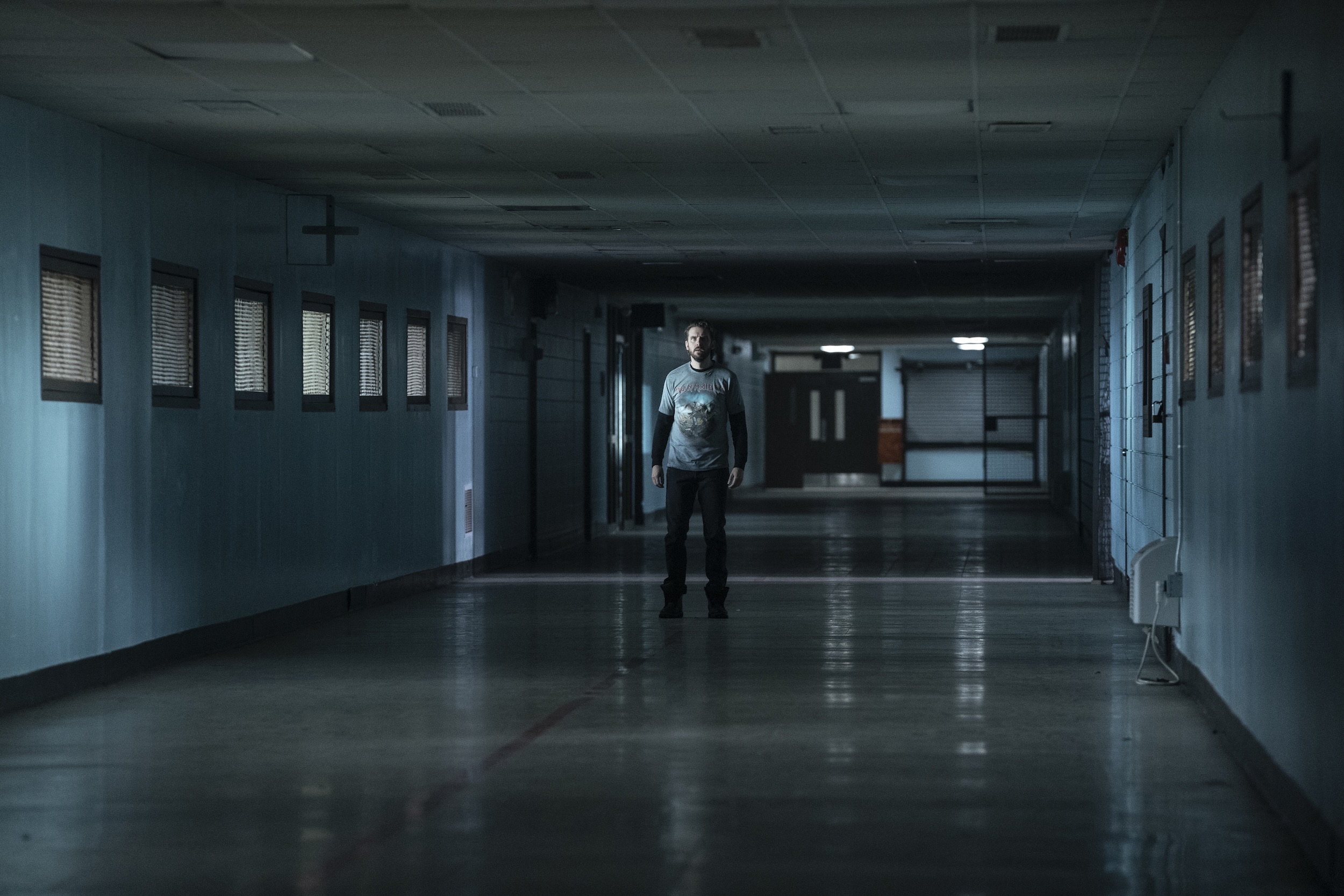
This historical context is crucial for understanding the institutional culture that has festered at New Hyde. The narrative clarifies that the excessive prescription of medication among patients was not merely a symptom of understaffing or a desire for docility. Instead, it served as a direct, albeit more insidious, replacement for the lobotomies that were once commonplace. While lobotomies saw a decline in the late 1970s, becoming a procedure reserved for highly specific circumstances, the underlying ethos of chemically induced compliance persisted within facilities like New Hyde. This practice became as ingrained in the institution’s identity as its decaying infrastructure and outdated technology, a testament to the enduring legacy of harmful medical practices. The Devil’s own pronouncement that New Hyde was "always doomed" underscores the inherent unsustainability of its operations, suggesting that without the specific manifestation of the entity, another destructive force or systemic failure would have eventually brought about its collapse. The central question then becomes whether the truth of New Hyde’s abuses would ever surface or be buried by its impending ruin, a hope for justice championed by characters like Miss Chris.
The Present Cataclysm and Confronting the Entity
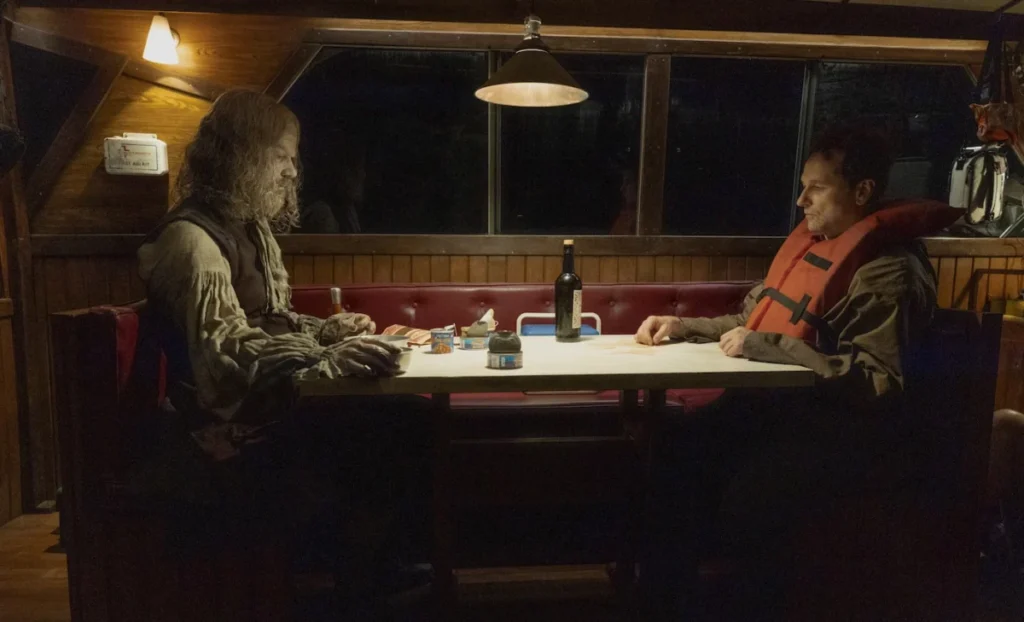
In the present, a dire situation unfolds as a hurricane bears down on New York, amplifying the sense of entrapment and impending doom. The grim tableau of Dr. Anand and Dorry’s corpses serves as a stark reminder of the lethal forces at play. A disparate group of patients, staff, and law enforcement find themselves cornered within what has become the Devil’s domain. The focus shifts to Pepper, who embarks on a perilous quest to confront the Devil. His journey leads him to Arnold Visserplein, now an elderly, comatose man residing in a hidden room behind the iconic silver door. This space echoes the confinement Arnold experienced in his youth following a violent episode, drawing a potent parallel between Arnold’s past and Pepper’s current struggle.
The striking resemblances between Arnold and Pepper are not coincidental. Arnold, like Pepper, had attempted to vanquish the Devil, a victory that proved tragically fleeting. Dorry’s earlier warnings to Pepper about the futility of simply destroying the host body are now illuminated by Arnold’s fate. It is understood that while Pepper might be capable of killing the physical vessel the Devil occupies, this would not eradicate the entity itself. Arnold’s own internal battle against the Devil’s influence is inferred, but his weakened state, a consequence of lobotomies and heavy medication, likely rendered him incapable of sustained resistance. The Devil ultimately consumed him, leaving behind only a shell fueled by Arnold’s unfulfilled rage. This rage manifested in attacks on patients seeking to leave, a reflection of Arnold’s own despair at being trapped. The narrative posits that his fury stemmed from the perceived injustice of others escaping his own inescapable confinement.
Interpersonal Dynamics and Emerging Alliances
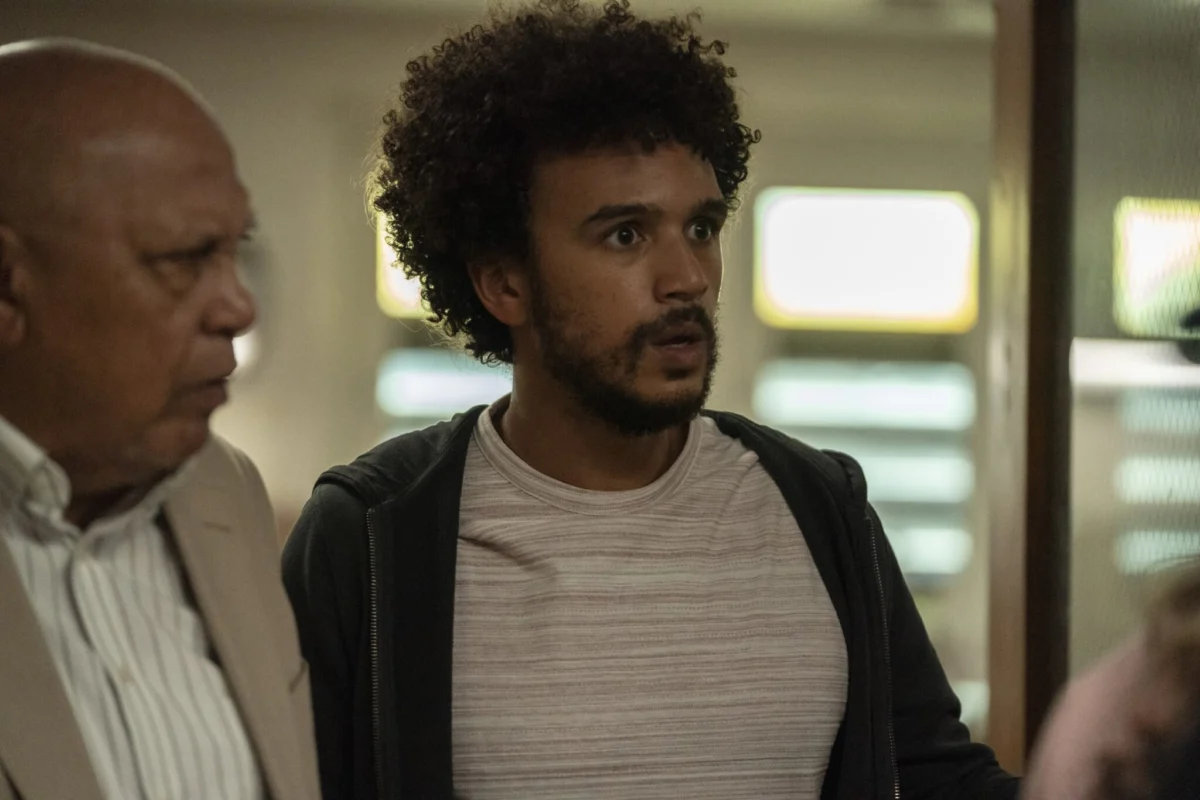
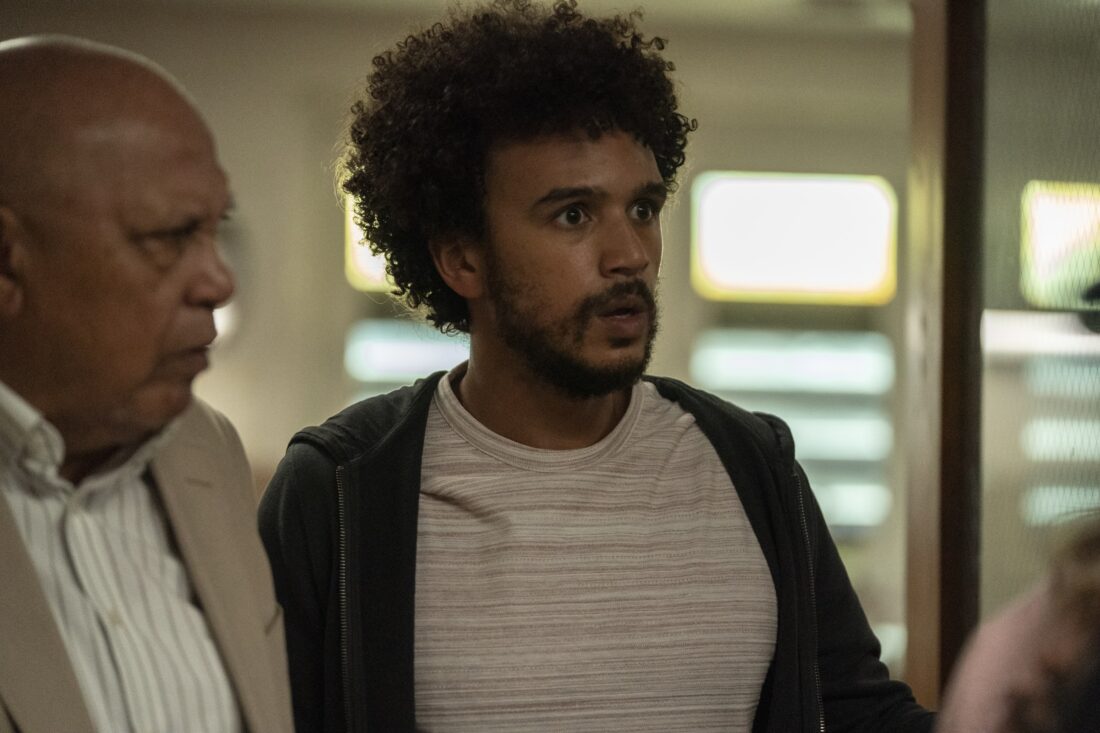
Amidst the escalating terror, Anthony and Loochie emerge as figures of critical importance in the unfolding drama. Anthony, initially hesitant, is eventually persuaded by Loochie to join the pursuit of Pepper. Loochie’s direct communication style, while often blunt, reveals a deeper introspection, as their words often reflect their own internal struggles and their evolving relationship with Pepper. The scene highlights a shared need for validation and trust from loved ones, a sentiment that resonates with both Loochie and Pepper. Their individual journeys toward healing and self-improvement are inextricably linked to the support they receive from those closest to them. However, Loochie’s decision to split from Anthony, a classic horror trope, leaves Anthony vulnerable to the Devil’s insidious influence.
The performance of John Benjamin Hickey as Dr. Walter is acknowledged for its unsettling impact, though the reviewer notes a preference for atmospheric dread over overt monstrosity. While Walter’s physical disfigurement adds a visceral layer of horror, the season’s reliance on predictable jump scares is noted as a less effective approach for audiences seeking sustained tension. This season’s impact, in terms of generating fear, is described as less potent than previous installments, failing to elicit the visceral reactions that characterized earlier episodes.
The Climax: Sacrifice and a Glimmer of Hope
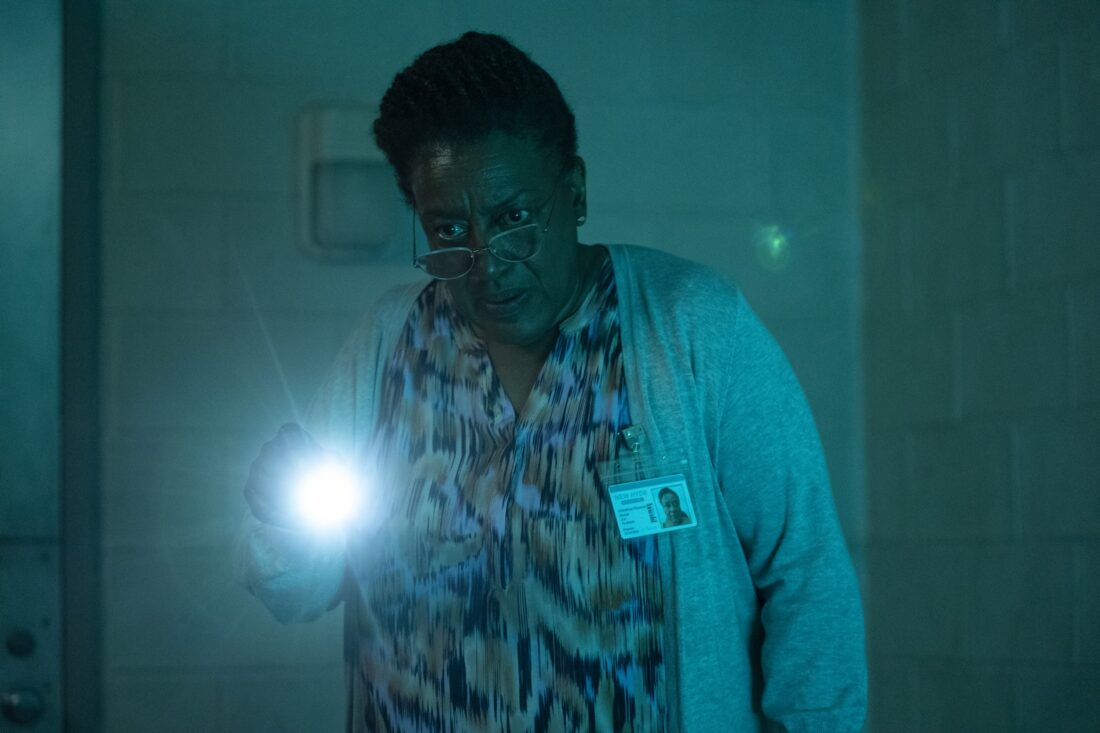
As the Devil occupies itself with tormenting patients trapped in the lounge, Pepper seizes the opportunity to re-enter the physical world. In the aftermath of a violent confrontation, Scotch Tape makes a desperate escape to seek aid, leaving Loochie and Pepper precariously exposed. The parallel to Arnold’s attempt to control Walter is drawn as Pepper confronts Anthony. Pepper’s declaration, "I won’t let you have him. I’ll fucking kill you," reveals his fierce paternal instinct, a stark contrast to his past abandonment of his son. The episode employs flashbacks to underscore Pepper’s internal conflict, emphasizing his inability to harm Anthony. This leads to a pivotal act of self-sacrifice: Pepper trades places with the Devil, absorbing the entity into himself to liberate Anthony. The Devil, eager to escape its current host, complies, allowing the remaining survivors to depart.
A New Dawn or Lingering Shadows?
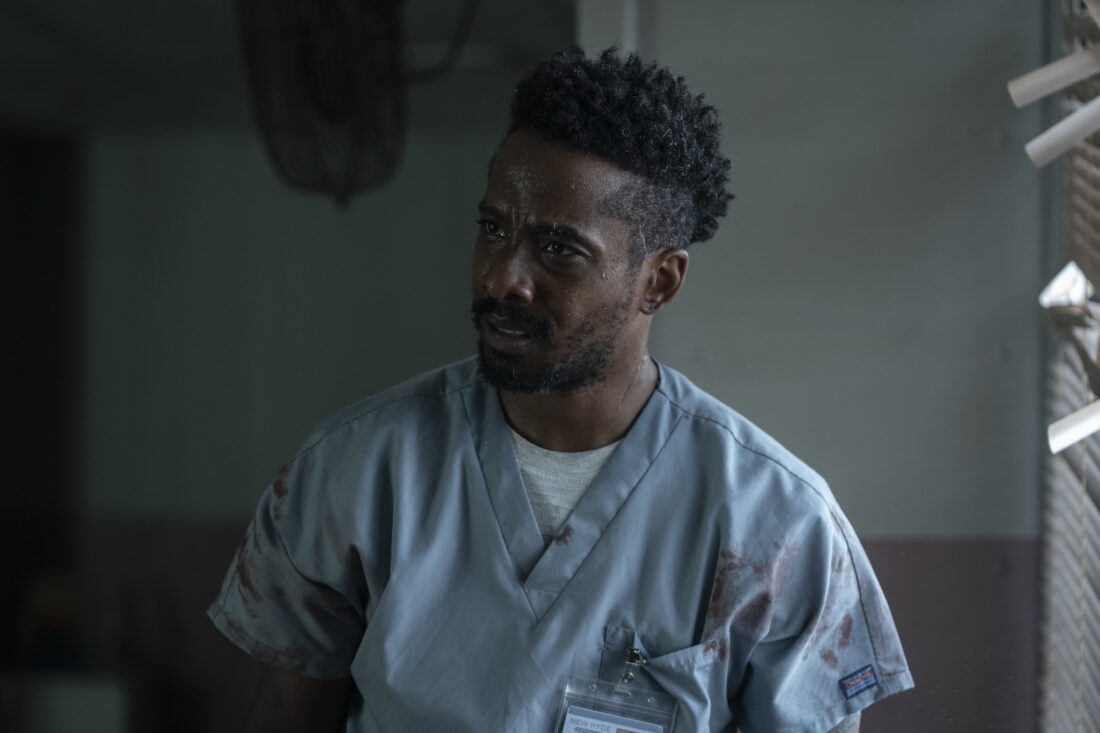
An indeterminate period later, the narrative shifts to a more hopeful, albeit complex, resolution. Pepper finds himself in a new, modern hospital, one that provides individual rooms and advocates for consent-based group therapy. Loochie, too, shows signs of recovery, adhering to a medication regimen and rediscovering her artistic passion, now expressed through vibrant Van Gogh-inspired paintings. Pepper’s reflective observation, "We all got our demons, don’t we?" highlights the pervasive nature of internal struggles. In his case, this demon is literal, embodied by Dr. Walter’s persistent, albeit seemingly contained, presence. Anthony remains a grounding force for Pepper, a constant reminder of his renewed purpose.
Critiques and the Broader Societal Commentary
Despite the seemingly positive trajectory, the ending elicits mixed reactions regarding its logical consistency and thematic resonance. While Pepper’s engagement with therapy and his progress are evident, his continued confinement in a long-term inpatient facility, despite lacking any diagnosable mental illness beyond the Devil’s accusation of "pathological selfishness," raises questions about the system’s efficacy. The reviewer argues that Pepper, in fact, should have been among those released following the New Hyde disaster, finding his continued institutionalization to be a logistical inconsistency that undermines the show’s intended message. The focus shifts to the patients who genuinely require care, such as Mr. Mack and the Sammys, underscoring a desire for their recovery over Pepper’s perceived well-being, given his relative stability apart from the Devil’s influence.
The transformation of the Devil from a metaphorical representation of a corrupt system into a literal antagonist is seen as a significant shift that, for some, complicates the narrative’s social commentary. The initial question of whether the Devil created New Hyde or merely exploited its existing corruption is effectively sidestepped by the finale, which places the blame squarely on the singular entity. This resolution, while providing narrative closure, is perceived by some as an oversimplification, reducing a complex issue of systemic societal failings—encompassing the mistreatment of disabled individuals, the impacts of capitalism, imperialism, racism, misogyny, and medical abuse—to the machinations of a single malevolent force at one corrupt institution. While the visceral horror of the Devil’s manifestations is acknowledged, the thematic power of the narrative is seen as diminished when the critique of societal structures is replaced by a supernatural explanation. The ending is thus viewed as satisfying on a character arc level for Pepper, but less impactful in its broader social critique of mental healthcare institutions.
Season Retrospective and Future Anticipation
The third season of The Terror: Devil in Silver, while perhaps not reaching the critical heights of its inaugural season, is described as an intense and enjoyable experience. The series’ commitment to delivering compelling horror content is appreciated, leaving viewers to anticipate the subject matter of a potential fourth season. The exploration of New Hyde’s descent into chaos and the struggle for survival within its walls provided a chilling examination of institutional neglect and the resilience of the human spirit.
Key Quotes from the Finale:
- “You gonna shoot us all, Paw Patrol?” – A sharp, defiant remark from Loochie, injecting a moment of dark humor.
- “Lots of impossible shit going on around here.” – A statement that encapsulates the surreal and terrifying events of the episode.
- “Nah. Fuck that.” – Scotch Tape’s pragmatic refusal to walk willingly into danger, highlighting a common sense reaction to escalating peril.
The season finale of The Terror: Devil in Silver has successfully brought its central narrative to a close, offering both a personal resolution for its protagonists and a stark reflection on the systemic failures that plague institutional care. While questions linger about the ultimate message and the logical coherence of its conclusion, the season has undoubtedly provided a compelling and often harrowing journey into the heart of darkness.