The Acquisition and Market Context
The sale of Artificial was a high-stakes moment for the independent film industry. Neon, under the leadership of Tom Quinn, moved with speed, securing the film through a deal that bypassed an upfront purchase price in favor of a $15 million marketing commitment. This strategic move allowed Neon to claim the film before competitors such as Netflix, Searchlight, and A24 could finalize their evaluations.
The industry at large was left to speculate on why a studio of Amazon’s caliber would abandon a high-profile, $40 million project. Theories ranged from concerns regarding the film’s budget to the potential for reputational risk. Given that Amazon had publicly committed to a $50 billion investment in OpenAI, the optics of the studio releasing a scathing, unflattering portrayal of the company’s founders were, to many, inherently incompatible.
A Timeline of Development and Departure
The genesis of Artificial traces back to a script by humorist and Saturday Night Live alum Simon Rich. The project was conceived within the traditional studio system at Amazon, with Guadagnino—a director known for his aesthetic versatility—brought on to helm the narrative. The production process spanned a 34-day shoot, concluding in September 2025.
Contrary to reports of "production disasters," records from the set indicate the film stayed on schedule and within budget. The decision to offload the film occurred months later, as the project moved into post-production. The rationale provided by Amazon was sparse, maintaining that the film would be "better served" by a different distributor. For producers like Jennifer Fox, the move was baffling, as the collaboration with Amazon had previously been characterized by creative alignment and partnership.

The Ethics of Influence and Artistic Freedom
Guadagnino’s perspective on the sale is colored by the broader trends in corporate media. He suggests that the "elephant in the room" is the inevitable conflict of interest that arises when Silicon Valley capital intersects with artistic production. In a landscape where studios are increasingly beholden to the interests of tech conglomerates, the capacity for independent storytelling is arguably being constricted.
"The centralization of power that we are witnessing can have a very chilling effect on how art is allowed to live," says Andrew Garfield, who delivers a transformative performance as Sam Altman. Garfield, who drew on his own experience with high-stakes tech narratives, notes that the pressure to make things "freely" is a defining struggle for contemporary filmmakers. The film serves as a mirror to the current climate, where the rapid advancement of AI has sparked alarm even among its architects. By dramatizing the shift from Obama-era tech optimism to the current, more volatile political environment, the film highlights the growing divide between those who build the technology and the society that must navigate its consequences.
Character Study: The Anatomy of a Tech Titan
The film is structured as a dual portrait, tracking the diverging paths of Ilya, played by Yura Borisov, and Sam, played by Garfield. While the script was originally conceived with a more comedic tone, Guadagnino shifted the focus toward a "Medusa’s Touch" narrative—a story of corruption spreading from within.
Garfield’s portrayal of Altman is noted for its physical precision. Through a subtle combination of makeup and posture, the actor captures the specific, uncanny mannerisms of the tech executive. This performance is supported by a narrative that does not shy away from the controversial aspects of the OpenAI story. Producers took the step of hiring outside legal counsel to ensure that the screenplay was "ironclad," aligning with public reporting, including the investigative work of writers like Ronan Farrow. Every scene was vetted to ensure it remained grounded in documented events, a necessary step to maintain the film’s integrity under the scrutiny of potential legal challenges.
The Analog Philosophy in a Digital Age
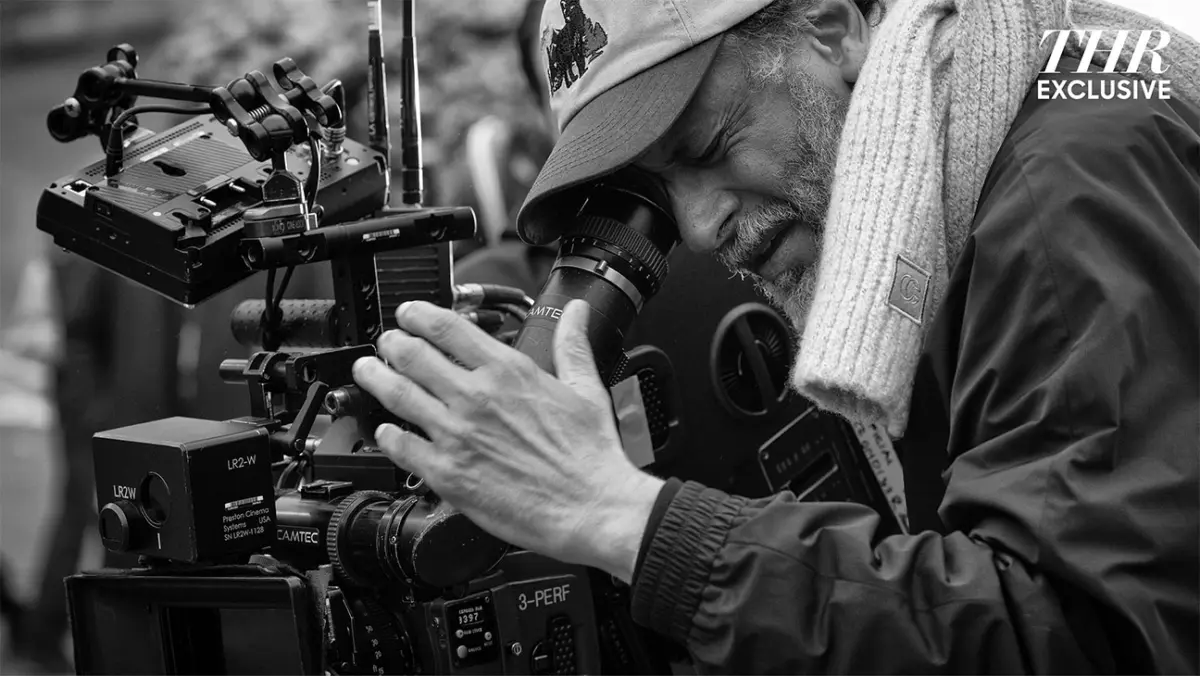
One of the most striking aspects of the production is the commitment to analog filmmaking. Despite the subject matter being the pinnacle of digital advancement, Guadagnino utilized 35mm film and avoided the use of AI in any stage of the production. This decision reflects the director’s broader critique of the industry’s reliance on digital shortcuts.

"I am an old-fashioned guy," Guadagnino states. "How do you leave the door open to reality on a movie set if you are sending prompts to a computer?" This philosophy permeates the film’s visual language, which juxtaposes the organic, messy nature of human performance against the cold, gleaming architecture of modern tech campuses. The result is a film that feels both historically urgent and physically visceral.
Economic Implications and Future Distribution
As Artificial prepares for its theatrical debut on Christmas Day, the industry is watching closely. The deal structure—$15 million in marketing without a traditional acquisition fee—is a unique model in the current fiscal climate. It suggests a shift in how independent distributors assess risk for films that are already produced.
The economic reality of Artificial is that it was a premium-cost project for a streaming-first studio. With a $40 million budget, the film faced the difficult task of justifying its cost in a market that is increasingly risk-averse toward original, mid-budget dramas. However, the decision by Amazon to sell, rather than shelve or "tax-write-off" the project, has provided a lifeline that allows the film to reach its intended audience.
The Broader Cultural Impact
The release of Artificial arrives at a time of significant public anxiety regarding the trajectory of generative AI. The film’s focus on the "whys" of the technology—the human ego, the race for dominance, and the moral compromises made in the pursuit of a "Holy Grail"—speaks to a universal fear of losing control.
Garfield describes the film as a return to "honoring the body" in an era where we are obsessed with "not being human." The narrative serves as a warning, or perhaps a reflection, on the individuals currently "turning the wheel" of the future. As the film hits theaters, the debate will likely shift from the boardroom to the public sphere, where the depiction of these tech figures will be judged against the backdrop of their real-world actions.

The collaboration between Neon and the creative team behind Artificial represents a test case for how controversial, big-budget independent cinema can survive the modern corporate landscape. By prioritizing creative independence and refusing to utilize the very technology the film critiques, Guadagnino and his team have crafted a work that serves as both a historical record and a social commentary.
As audiences prepare to engage with the film, the central question remains: how much of the future is being decided by a select few, and at what cost to the collective human experience? For those involved, the "punk rock" nature of the film’s journey to the screen is just the beginning. The ultimate impact of Artificial will be determined by its reception in the theater, where, as Garfield hopes, it will reach those who are beginning to look more closely at the mechanisms of power currently shaping the world. Whether it sparks a change in how we perceive tech leaders or merely serves as a cautionary tale, the film stands as a testament to the power of traditional, human-centric filmmaking in an increasingly automated world.