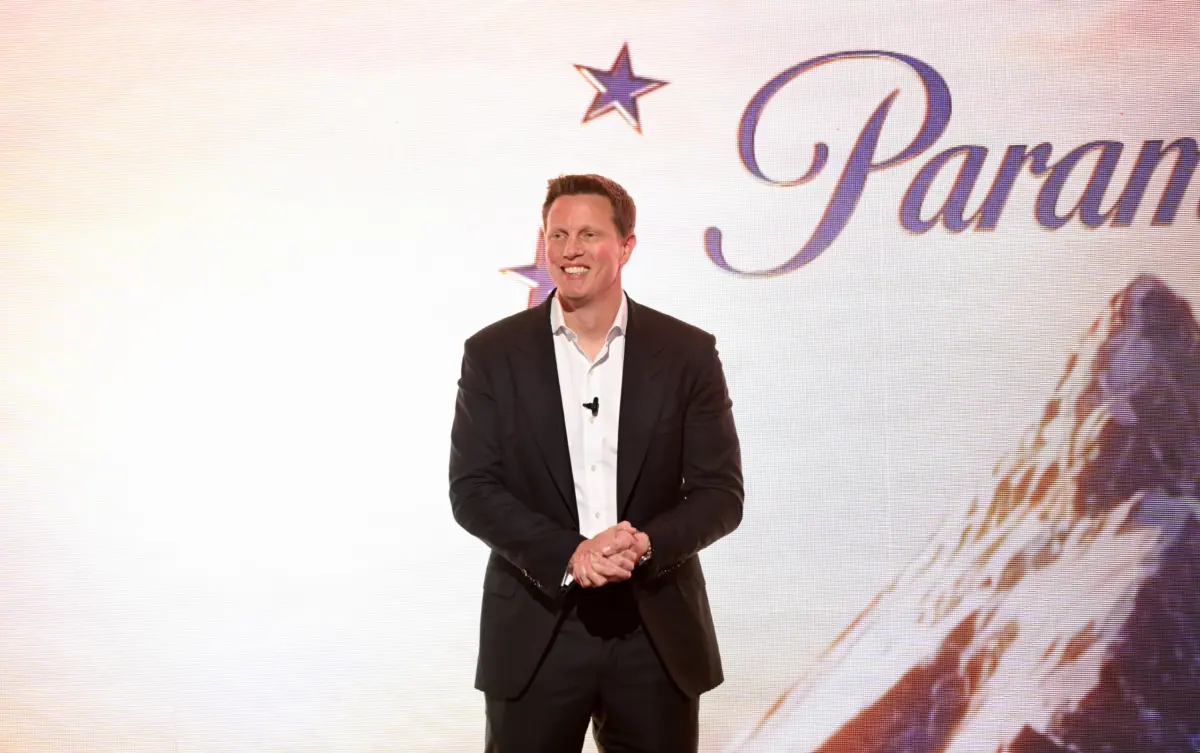
In August of last year, the atmosphere on the Paramount Pictures lot in Hollywood was thick with anticipation as David Ellison hosted a press meet-and-greet to solidify his position as a rising media mogul. Less than fourteen months later, that scene of cautious optimism has been replaced by a seismic shift in the entertainment landscape. On Tuesday, Ellison, through his production company Skydance, finalized a monumental $110 billion acquisition of Warner Bros. Discovery. This deal effectively merges two of Hollywood’s most storied institutions, placing under Ellison’s singular control an unprecedented portfolio of assets including the Warner Bros. film studio, HBO, CNN, DC Studios, Paramount Pictures, Paramount+, and CBS.
This consolidation represents a turning point in the streaming era, pitting a newly expanded Skydance directly against global behemoths such as The Walt Disney Company and Netflix. However, the path to this dominance is paved with significant financial hurdles, most notably an $80 billion debt load that will require meticulous management and a pivot toward sustained profitability.
The Chronology of a Mega-Merger
The journey to this acquisition did not happen in a vacuum; it was the culmination of months of intense negotiation, regulatory scrutiny, and internal corporate maneuvering. The initial discussions regarding a potential partnership between Skydance and Paramount Global began to surface publicly in early 2024. At the time, the industry was reeling from the volatility of traditional media, with cable television bundles eroding and streaming platforms struggling to balance subscriber growth with bottom-line solvency.
By mid-2024, the narrative shifted from a simple investment to a full-scale corporate takeover. Ellison, the son of Oracle co-founder Larry Ellison, leveraged the backing of his family’s immense capital alongside private equity interests to overcome rival bids. The inclusion of Warner Bros. Discovery into the fold—a company that had itself been the product of the 2022 merger between Discovery and WarnerMedia—adds a layer of complexity to the corporate structure. The integration process is expected to span several quarters, if not years, as the new leadership team works to harmonize overlapping departments while maintaining the creative independence of legacy brands.
Financial Realities and the Content Arms Race
At the heart of the new strategy is a bold commitment to content volume. Ellison has publicly stated that the combined entity will command a higher annual content spend than any other competitor, including Disney and Netflix. This aggressive approach is designed to ensure that the Skydance-led conglomerate remains the premier destination for premium storytelling.
However, the $80 billion in debt creates a razor-thin margin for error. Analysts note that while the combined company possesses a deep library of intellectual property—ranging from the DC Extended Universe and the Harry Potter franchise to the Mission: Impossible and Top Gun series—the cost of producing high-end content has inflated significantly. To mitigate risks, the company intends to diversify its output. Ellison emphasized that while franchises will remain a cornerstone, the company is committed to greenlighting original, high-concept stories. He specifically cited the upcoming Warner Bros. film Sinners as a benchmark for the creative direction he envisions: a mix of prestige filmmaking and broad-market appeal.
Leadership Restructuring and Operational Synergy
The management structure of this new entity reflects a desire to blend traditional studio operations with modern digital distribution. Joining Ellison is Ynon Kreiz, the former CEO of Mattel, who takes on the role of co-CEO. Kreiz brings extensive experience in brand management and licensing, which will be vital as the company attempts to extract more value from its vast IP portfolio.
A significant point of transition involves the departure of key Warner Bros. film leadership, including Mike De Luca and Pam Abdy. While these executives oversaw successful projects, their tenure also included volatile theatrical performances, such as the recent box-office struggle of Diggers. In their stead, Dana Goldberg and Josh Greenstein of the Skydance Motion Picture Group will assume oversight of both the Warner Bros. and Paramount film studios.
Regarding the physical footprint of the company, Kreiz outlined a strategic division of labor. The Warner Bros. lot and the Paramount lot will both remain operational, but they will eventually specialize. One will serve as the hub for cinematic production, while the other will be optimized for television and streaming operations. Ellison and Kreiz have committed to splitting their time equally between the two locations, signaling a hands-on approach to the post-merger integration.
Navigating Creative Backlash and Building Trust
The path to this acquisition was not without friction. Many in the creative community expressed vocal opposition to the merger, fearing that the consolidation of two major studios would lead to reduced competition, layoffs, and a homogenization of content. Ellison acknowledged these concerns during his recent press address, describing the merger process as "turbulent" and "at times, an ugly process."
"There were significant emotions, and I really respect the people who were apprehensive about this," Ellison stated. "What I want to do now is turn the page, and make sure we are in the business of building trust."
To win over his critics, Ellison has outlined a set of operational guardrails. Among these is a firm pledge to keep CNN and CBS News editorially distinct, ensuring that the consolidation of media assets does not infringe upon journalistic independence. Furthermore, the company has set a target of producing approximately 30 films per year across its combined banners. Ellison insists that this volume will not come at the expense of quality, noting that the company will remain "very cautious" to ensure that the output meets the high standards audiences expect from studios like Warner Bros. and Paramount.
Implications for the Future of Hollywood
The implications of this merger extend far beyond the balance sheets of Skydance. By absorbing Warner Bros. Discovery, Ellison has created a vertically integrated powerhouse that controls the entire production-to-distribution pipeline. This scale allows the company to negotiate more favorable terms with theater chains, streaming platforms, and international distributors.
However, the industry remains skeptical about whether the sheer size of the company will translate into the desired efficiency. Historically, large-scale media mergers have faced significant challenges in cultural integration and the dilution of brand identity. The success of this endeavor will likely depend on the company’s ability to maintain the distinct "personalities" of its constituent parts. As Kreiz noted, the plan is to keep the studios independently creative, allowing them to pursue their own slates while the corporate office "choreographs" the release schedule to maximize audience reach and demographic coverage.
As the industry observes these early days of the new Skydance era, the primary question remains whether this massive debt-laden ship can navigate the shifting currents of audience preference. With the rise of AI-driven content, the volatility of global box offices, and the ever-changing nature of the streaming subscription model, Ellison is taking on one of the most challenging roles in modern corporate history. If his strategy of high-volume, high-quality production holds, he may well redefine the standard for the modern Hollywood studio. If it falters, the resulting debt could trigger further restructuring, reminding the industry that in the world of media, size is only an asset if it is matched by agility.