The media landscape underwent a seismic shift this week as Skydance Media, led by CEO David Ellison, officially finalized its acquisition of Warner Bros. Discovery. This transaction, which merges one of Hollywood’s most storied production houses with a massive global media conglomerate, arrives at a moment of heightened scrutiny regarding the relationship between the entertainment industry and the federal government. As the deal closed, Ellison found himself forced to address persistent questions regarding his proximity to the Trump administration—a narrative fueled by a series of high-profile appearances in the nation’s capital.
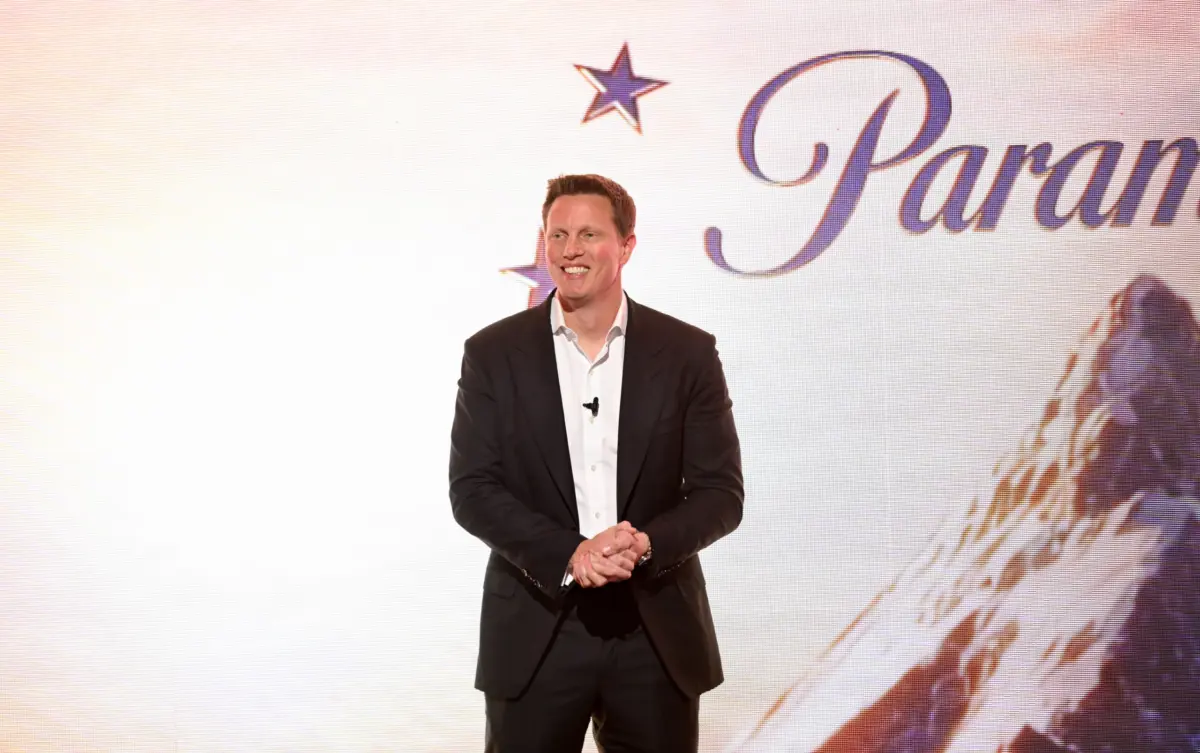
Despite being spotted in the company of President Donald Trump at the Kennedy Center, attending a White House-hosted UFC event, and participating in a state dinner for Chinese President Xi Jinping, Ellison maintains that his presence in Washington is purely professional. During a press event held on the Paramount lot on Tuesday, the mogul deflected claims of partisan maneuvering, framing his recent activity as a necessary engagement with policymakers across the spectrum.
The Dynamics of Proximity: A Chronology of Engagement
Ellison’s interactions with the Trump administration have been frequent and widely publicized, creating a point of tension for observers concerned about the editorial independence of assets like CNN, now under his corporate umbrella.
The timeline of these engagements reflects a deliberate, if contentious, strategy of outreach:
- Early 2025: Ellison initiates a series of high-level meetings in Washington, coinciding with the regulatory review phase of the Warner Bros. Discovery acquisition.
- Spring 2025: The Skydance chief hosts an exclusive dinner honoring the president, a move that drew notice from industry insiders monitoring the progress of the merger.
- Late 2025: Ellison attends a state dinner for President Xi Jinping, an event marked by the exclusion of CNN—an irony not lost on industry analysts.
- December 2025: The acquisition of Warner Bros. Discovery officially closes. On the same day, Ellison addresses the press, characterizing his political outreach as standard corporate diplomacy.
These optics have invited comparisons to other industry leaders who have faced backlash for appearing too cozy with the executive branch. Ellison, however, insists that his outreach has been bipartisan, noting that he maintained a "good relationship" with the preceding Biden administration and continues to coordinate with state-level leaders like California Governor Gavin Newsom.
Regulatory Navigation and the Role of Makan Delrahim
The successful acquisition of Warner Bros. Discovery was by no means a foregone conclusion. Regulatory approval in the current antitrust climate is notoriously difficult, yet the deal moved through the Department of Justice and other federal bodies with relative efficiency.
A key figure in this process was Makan Delrahim, the former Assistant Attorney General at the Justice Department during the first Trump administration. Delrahim’s involvement in guiding Skydance through the complex regulatory landscape has been cited as a critical factor in the deal’s closure. By leveraging deep institutional knowledge of how the federal government evaluates media mergers, Ellison was able to navigate the scrutiny that often stalls, or outright kills, such massive corporate consolidations.
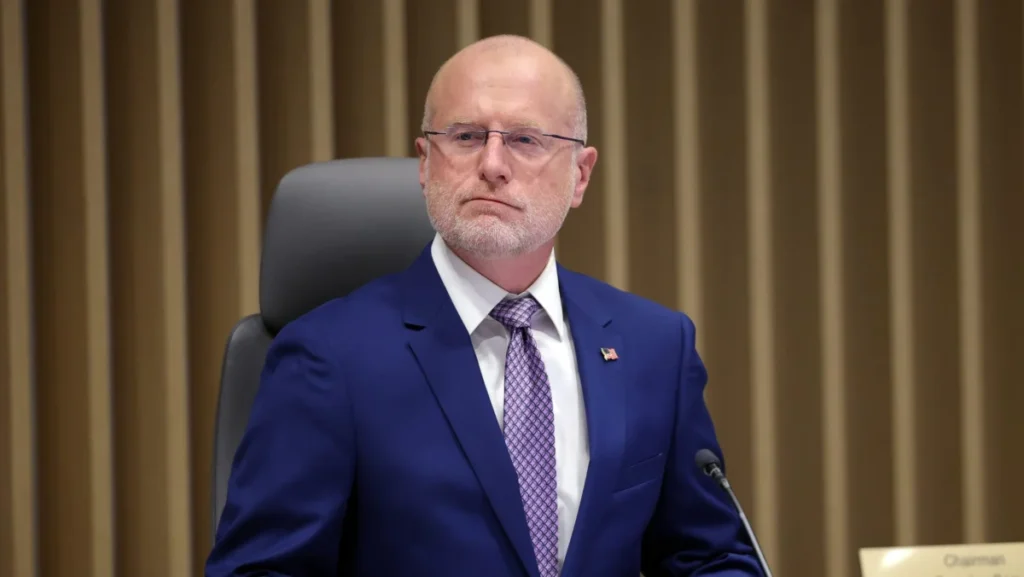
Industry analysts suggest that this success is indicative of a "pragmatic era" in Hollywood, where executives prioritize regulatory path-clearing over political branding. However, this pragmatic approach is increasingly under fire. The FCC, under the leadership of Brendan Carr, has adopted a more aggressive stance toward media entities perceived to be hostile to the current administration. For Ellison, the challenge lies in balancing the need for regulatory cooperation with the necessity of maintaining the editorial integrity of his news organizations.
Data and Market Realities: The Case for Consolidation
Behind the political theater lies the stark reality of a market in flux. Ellison’s defense of his acquisition strategy relies on the argument that traditional media entities have failed to adapt to the digital age.
According to recent industry data, the "Big Four" legacy studios have seen a combined decline in linear television advertising revenue of approximately 14% year-over-year. Meanwhile, the cost of content production has ballooned, with streamers like Netflix and Amazon Prime Video commanding a larger share of consumer attention and disposable income.
"The businesses didn’t disrupt themselves over a decade ago," Ellison stated during the press event. "They allowed Netflix to disrupt their business. They allowed Amazon Prime Video to come and disrupt their business. They didn’t transform, and they held on to the past for too long."
From this perspective, the acquisition of Warner Bros. Discovery is not merely a play for power, but a desperate pivot toward survival. By merging Skydance’s production capabilities with the massive library and distribution footprint of Warner Bros., Ellison aims to create a vertically integrated powerhouse capable of competing with the technology giants that have dominated the last decade of media consumption.
The CNN Conundrum and the Question of Influence
Perhaps the most sensitive aspect of the transition is the future of CNN. Since the announcement of the acquisition, there has been widespread speculation regarding whether the Trump administration will exert influence over the network’s editorial direction.
Ellison has explicitly denied that any political discussions have occurred regarding newsroom operations. "We haven’t talked to any political party about news," he asserted. Yet, this statement faces skepticism due to reports—such as those published by The Guardian—suggesting that Ellison’s father, Larry Ellison, a significant financier of the merger, may have discussed the status of specific CNN personalities with the president.
While the younger Ellison frames his conversations with political figures as being centered on "truth and trust," critics argue that the structural reliance on regulatory approval creates an inherent conflict of interest. In the current media climate, "truth" is often a subjective metric, and the fear that CNN could be steered toward a more administration-friendly editorial line remains a primary concern for civil liberties groups and media watchdogs.
Legislative Aspirations: The Federal Film Tax Credit
Beyond the merger itself, Ellison has been an active proponent of a federal film and television tax credit. This initiative, championed by Senator Tim Scott (R-SC), represents a significant shift in how Hollywood interacts with federal fiscal policy.
Historically, the industry has relied on state-level tax incentives to attract production. A federal-level credit would represent a major victory for the sector, potentially lowering production costs by billions over the next decade. Ellison’s involvement in this effort is seen as a strategic move to ensure that his newly expanded company benefits from a more favorable tax environment. However, the optics of this lobbying—particularly when bundled with the broader political engagement—have made some in Hollywood uncomfortable.
Industry Implications and Future Outlook
The consolidation of Paramount and Warner Bros. Discovery into the Skydance orbit marks the end of an era of fragmentation. The implications of this move are manifold:
- Horizontal Integration: By controlling both content production and the news/distribution apparatus, Ellison has created a entity that is arguably "too big to ignore" for regulators and political figures alike.
- Market Pressure: Smaller production houses may find it increasingly difficult to compete for distribution slots, likely leading to further market consolidation.
- The "Disruption" Mandate: Ellison’s explicit acknowledgement of the failure to innovate over the last decade signals a shift toward a more aggressive, tech-forward management style that may prioritize algorithmic engagement over traditional prestige projects.
As David Ellison settles into his new role, the tension between his desire to maintain a "non-politicized" corporate environment and the reality of his political engagements will likely persist. For now, the mogul remains focused on the integration of his assets, banking on the theory that in the modern media landscape, scale is the only buffer against obsolescence. Whether that scale will be enough to shield his company from the crosscurrents of Washington politics remains the defining question of his tenure.