The global landscape for digital media and stock photography underwent a seismic shift this week as Getty Images and Shutterstock, the two preeminent titans of the industry, officially terminated their proposed $3.7 billion merger. The decision to abandon the deal comes after a protracted period of scrutiny from the United Kingdom’s Competition and Markets Authority (CMA), which signaled that the consolidation would face insurmountable regulatory hurdles. The collapse of the deal highlights the increasing assertiveness of British regulators in shaping global corporate strategy, particularly within the media and technology sectors.
Getty Images, a company that has long defined the standard for high-end editorial and creative imagery, announced on Tuesday that its board of directors had voted unanimously to scuttle the merger. The move followed a definitive stance by the CMA, which demanded that Shutterstock divest its entire editorial business as a condition for the deal to proceed. For Getty’s leadership, led by CEO Craig Peters, this requirement was viewed as a "non-starter," effectively ending the ambition to create a unified powerhouse in the visual content marketplace.
The Regulatory Roadblock: Why the CMA Intervened
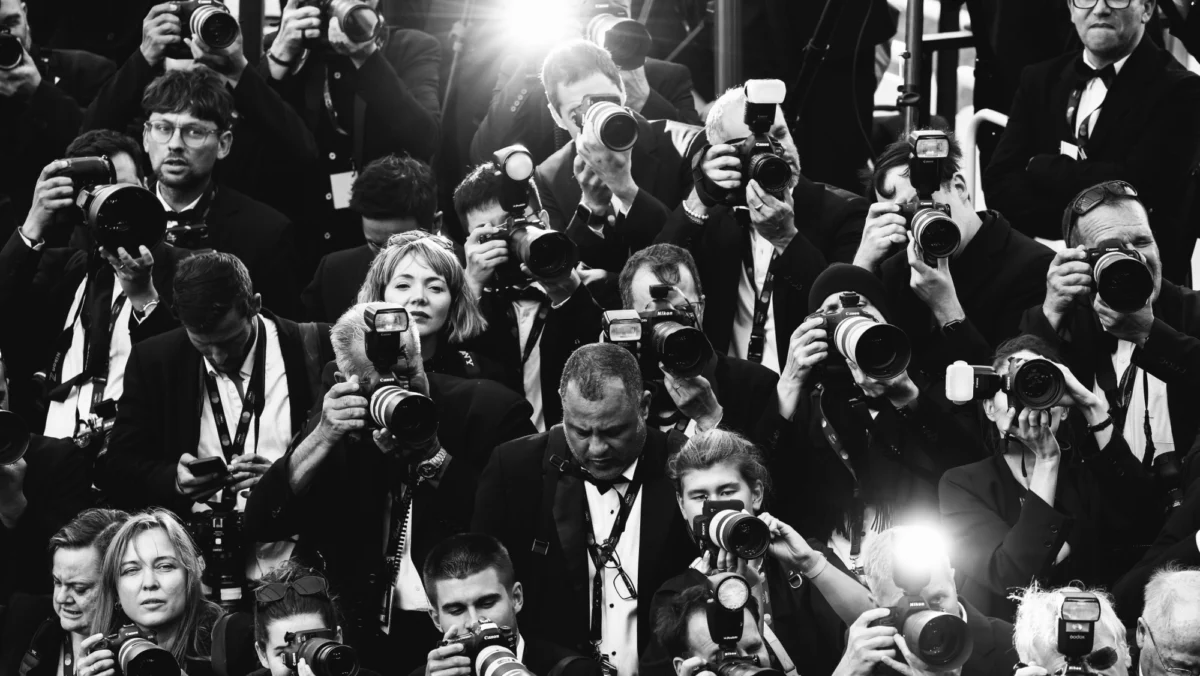
The primary concern cited by the Competition and Markets Authority centered on the potential for a monopoly within the editorial imagery sector. Getty Images is the primary provider of wire service photography for major global events, ranging from Hollywood red carpets and international film festivals to high-stakes political summits. Shutterstock, while historically focused on commercial and "microstock" photography, has spent the last several years aggressively expanding its own editorial arm to compete directly with Getty and the Associated Press.
The CMA’s intervention was rooted in the principle of media plurality. Regulators argued that if the two largest commercial repositories of news and entertainment imagery were to combine, the resulting entity would possess an unprecedented level of control over the visual narrative of current events. This dominance, the regulator feared, would lead to higher licensing fees for news organizations and a reduction in the diversity of visual perspectives available to the public.
In a regulatory filing with the Securities and Exchange Commission (SEC) on Tuesday, Getty Images clarified that the board’s decision to terminate the agreement was based on the "apparent impossibility" of meeting the CMA’s divestiture demands without undermining the strategic value of the merger itself. The editorial business was not merely a side venture for Shutterstock; it was a core component of the growth strategy that made the merger attractive in the first place.
Financial Ambitions and the Lost Synergies
When the merger was first unveiled in January 2025, it was framed as a defensive and offensive masterstroke. The combined company, which was slated to be led by Craig Peters, projected significant financial benefits. Internal estimates suggested that the merger would generate cost synergies of between $150 million and $200 million within the first three years of integrated operations. These savings were expected to come from the consolidation of redundant technological infrastructures, the streamlining of global sales forces, and the unification of massive data centers.
Shutterstock brought to the table a library of over 450 million photos, videos, and music tracks. Getty, meanwhile, offered an unparalleled archive of historical imagery and a prestigious network of exclusive partnerships with major sports leagues and entertainment entities. Together, the companies aimed to create a "one-stop-shop" for every visual need, from a small blogger seeking a $10 background image to a major film studio requiring high-resolution archival footage.
The failure of the deal leaves both companies in a state of strategic transition. Getty Images has already signaled its next move, stating in its SEC filing that it intends to hire a financial advisor to assess "strategic financing alternatives." This indicates that while the merger is dead, Getty remains open to other forms of recapitalization or partnership to bolster its balance sheet in an increasingly competitive environment.
The AI Pivot: A New Chapter with OpenAI
Interestingly, the collapse of the merger coincides with a major shift in Getty’s technological strategy. Just days before the deal was officially called off, Getty Images announced a landmark partnership with OpenAI. Under this agreement, Getty will license its vast, high-quality library to OpenAI to assist in the training of ChatGPT and other generative artificial intelligence models.
This pivot is significant. When the merger with Shutterstock was first conceived, both companies were grappling with the existential threat posed by AI-generated imagery. The rise of platforms like Midjourney and DALL-E threatened to commoditize the stock image market, potentially making human-shot photography less valuable. By merging, Getty and Shutterstock hoped to have the scale to fight back against the AI wave.
However, the OpenAI deal suggests that Getty has found a different way to thrive in the AI era. Rather than competing against AI, Getty is positioning itself as the "gold standard" of licensed data. By providing clean, copyrighted, and ethically sourced data to AI developers, Getty is creating a new revenue stream that does not rely on traditional licensing to media outlets. This strategic shift likely made the prospect of a difficult, regulator-heavy merger with Shutterstock less appealing than it was six months ago.
Broader Implications for Global Media Consolidation
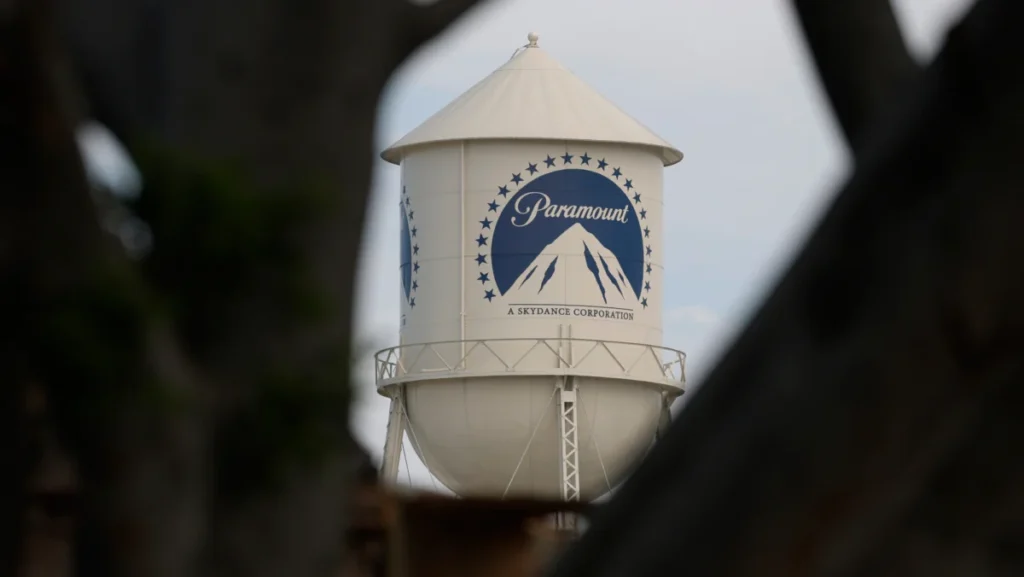
The CMA’s role in the Getty-Shutterstock collapse is being watched closely by Wall Street and Hollywood, as it serves as a harbinger for other massive deals currently on the horizon. Most notably, the UK government has indicated it may intervene in the proposed $111 billion takeover of Warner Bros. Discovery by Paramount, a deal led by Skydance’s David Ellison.
Lisa Nandy, the UK Secretary of State for Culture, Media and Sport, has already voiced concerns regarding the Paramount-Warner Bros. Discovery deal. On June 30, Nandy suggested that the British government might formally request the CMA to assess whether that merger would create a "relevant merger situation" that could harm competition or media plurality within the United Kingdom.
The Paramount-Skydance camp has remained publicly optimistic, with a representative stating, "We are confident that our proposed transaction does not pose any media plurality issues in the UK and remain confident in our stated transaction timeline." However, the Getty-Shutterstock precedent suggests that the CMA is willing to demand radical structural changes—such as the sale of entire business units—that can effectively kill a deal if the parties involved are unwilling to comply.
Timeline of the Failed Merger
To understand the magnitude of this collapse, one must look at the rapid sequence of events that led to Tuesday’s announcement:
- January 15, 2025: Getty Images and Shutterstock announce a definitive merger agreement valued at $3.7 billion. The deal is marketed as a way to "reimagine the future of visual content."
- March 2025: Initial filings are made with regulators in the US, EU, and UK. Early reports suggest the US Department of Justice has fewer concerns than European regulators.
- June 10, 2025: The UK’s Competition and Markets Authority formally opens its Phase 1 review of the deal, citing concerns over the "editorial and news-gathering" market.
- June 22, 2025: Getty Images announces a multi-year licensing deal with OpenAI, signaling a shift in its long-term growth strategy.
- June 30, 2025: UK Culture Secretary Lisa Nandy hints at government intervention in the Paramount-WBD deal, signaling a tightening regulatory environment for media companies.
- July 2, 2025: The CMA delivers its preliminary findings to Getty and Shutterstock, stating that the merger will only be cleared if Shutterstock’s editorial division is sold to a third party.
- July 8, 2025: Getty’s board meets and determines that the divestiture is not viable. The merger is officially called off.
Analyzing the "CMA Effect" on Corporate Strategy
The UK’s CMA has increasingly become a "global policeman" for corporate mergers. Because major media companies like Getty and Shutterstock operate globally, they cannot simply ignore the UK market. If a regulator in a major economy like Britain blocks a deal, it often makes the entire global merger untenable, as the companies would have to operate two entirely different business models in different regions.
This "CMA Effect" is forcing multinational corporations to rethink their approach to M&A. In the case of Getty and Shutterstock, the companies likely underestimated the regulator’s focus on the editorial niche. While the overall "stock image" market is vast and includes many small players, the "editorial wire" market is a virtual triopoly between Getty, Shutterstock, and the AP. By attempting to merge two of those three, the companies entered a regulatory minefield.
For Getty Images, the path forward involves a return to independence, but with a revamped focus on technology. The hiring of financial advisors suggests that Getty may look toward a private equity buyout or a different type of strategic investment that doesn’t trigger the same anti-monopoly alarms as a merger with its largest rival.
Conclusion: A New Era for Visual Media
The termination of the $3.7 billion Getty-Shutterstock merger marks the end of an era of attempted consolidation in the stock imagery world and the beginning of a new chapter defined by AI integration and regulatory oversight. As the dust settles, Shutterstock will have to find a way to maintain its editorial growth without the scale of Getty, while Getty will lean heavily into its new role as a data provider for the next generation of artificial intelligence.
For the broader media industry, the message from the UK is clear: the era of "too big to fail" mergers may be over. As David Ellison and other industry moguls look to consolidate Hollywood’s major studios, they will have to contend with a regulatory environment that is increasingly skeptical of any deal that threatens the diversity and independence of the global media landscape. The collapse of the Getty-Shutterstock deal is not just a story about two photo agencies; it is a blueprint for the challenges that lie ahead for every major media transaction in the mid-2020s.