The Motion Picture Association (MPA) has officially handed down an R-rating to the upcoming horror feature River, a designation that signals the film’s commitment to the visceral intensity promised by its creative team. Following its successful acquisition by Universal Pictures in partnership with Blumhouse and Atomic Monster—the powerhouse production entities behind recent genre hits like M3GAN and The Black Phone—the film is now positioned as a cornerstone of the 2027 winter horror slate. Directed by Joshua Giuliano, the project is set to hit theaters on January 15, 2027, bringing a high-stakes, isolation-themed narrative to audiences seeking a gritty start to the new year.
Production and Narrative Scope
The plot of River centers on the volatile reunion of three estranged siblings who gather to perform the somber task of scattering their late father’s ashes along a remote waterway. What begins as a ritual of grief quickly devolves into a desperate fight for survival when their vessel suffers a mechanical failure, leaving them stranded in an unforgiving wilderness. The isolation is compounded by the presence of a faceless antagonist, portrayed by Dane DiLiegro—a performer gaining significant industry recognition for his physical acting in creature-centric roles, most notably in the acclaimed Prey.
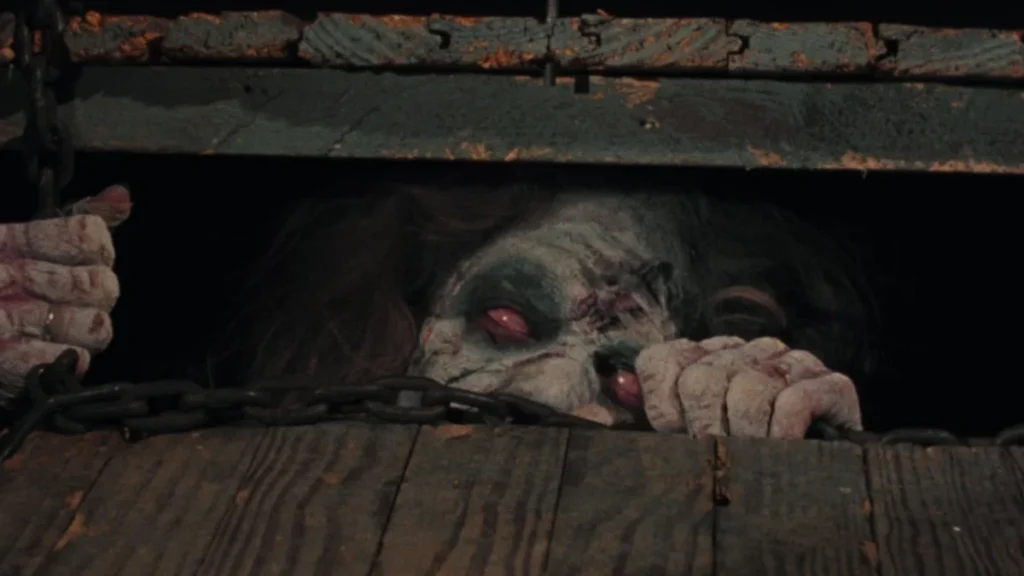
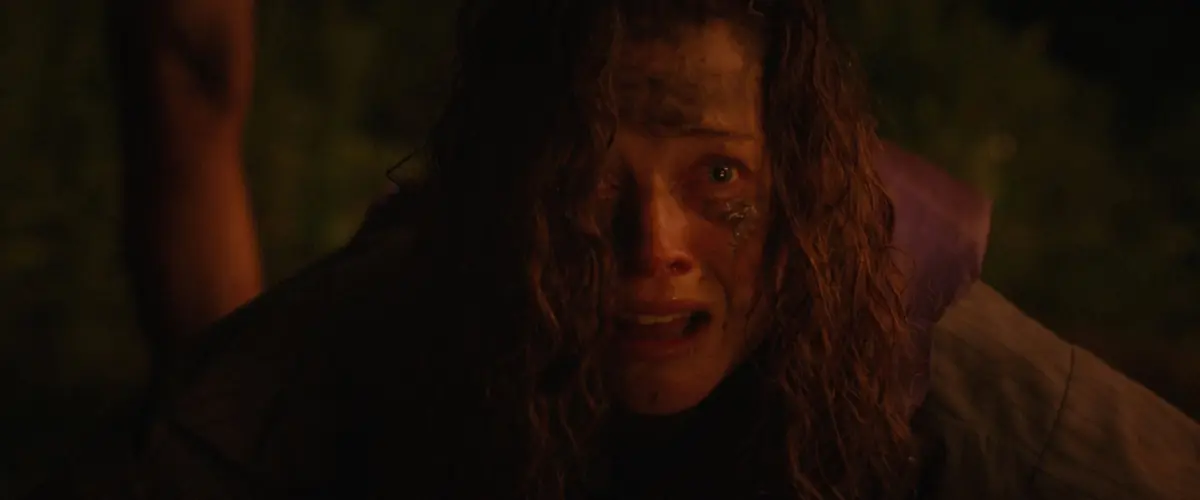
The film stars Jane Levy, known for her standout performance in the 2013 Evil Dead reboot, and Jessica Rothe, whose work in the Happy Death Day franchise solidified her status as a modern "scream queen." Joining them is Max Mattern, who rounds out the central trio of siblings. The casting reflects a deliberate choice by the production team to pair seasoned horror veterans with emerging talent, a strategy intended to ground the film’s more extreme sequences in genuine, recognizable character dynamics.
Chronology of the Project
The trajectory of River from a script to a major studio release follows a path common to high-profile genre films that demonstrate early festival success. The project garnered significant attention during its premiere at the Toronto International Film Festival (TIFF), where its brutal pacing and atmospheric dread drew comparisons to seminal works of the horror canon.

Following the positive reception in Toronto, Universal Pictures moved to acquire distribution rights, recognizing the film’s potential to perform within the lucrative January release window—a time historically dominated by horror and suspense films. The MPA rating, issued in September 2026, serves as the final administrative hurdle before the film enters its primary marketing cycle. The official classification of "strong bloody violence" suggests that the studio intends to lean into the film’s reputation as a hard-hitting slasher, potentially appealing to an audience demographic that favors the raw, unvarnished style of 1970s exploitation cinema and the modern "New French Extremity" movement.
Critical Reception and Aesthetic Analysis
Early critical assessments of River have highlighted its ability to leverage claustrophobic environments to heighten tension. Reviewer Matt Konopka noted that while the film experiences occasional tonal shifts as it transitions between family drama and slasher chaos, these moments are ultimately balanced by a commitment to practical effects and a relentless pace.
The comparison to The Texas Chain Saw Massacre is particularly salient in industry circles, as it suggests that Giuliano’s directorial approach emphasizes atmosphere and the "unseen" threat as much as the graphic imagery mentioned in the MPA rating. By prioritizing a setting that isolates the characters from modern technology and societal aid, River taps into a primal fear of being hunted in the wild, a trope that remains a consistent driver of box office revenue in the horror genre. The film’s ability to "beg to be watched with a crowd" suggests that Universal is banking on the communal experience of the theater, a vital component for horror films that rely on jump scares and collective visceral reactions.
Market Context and Industry Implications
The horror market has undergone a significant transformation over the last decade, with audiences showing a marked preference for films that offer high production values alongside traditional scares. By backing River, the Blumhouse and Atomic Monster collaboration continues its trend of identifying low-to-mid-budget projects with clear, high-concept hooks and scaling them for a wide release.
Data from the past three years indicates that R-rated horror films have consistently outperformed PG-13 alternatives in terms of return on investment. The inclusion of stars like Levy and Rothe provides a built-in audience, as both actresses have cultivated followings that span multiple horror franchises. The January release date is also strategically significant. In the film industry, the early months of the year are often used as a testing ground for genre films that might be overshadowed during the summer blockbuster season or the prestige-heavy holiday period. If River succeeds in capturing the audience’s attention during this time, it could establish a blueprint for similar mid-tier horror acquisitions in the future.

The Role of Practical Stunts and Physicality
A significant factor in the anticipation surrounding River is the involvement of Dane DiLiegro as the primary antagonist. DiLiegro’s background in professional basketball and his specialized training in creature movement allow for a level of physical menace that is difficult to replicate with digital effects. The "faceless" nature of the killer is a deliberate narrative choice, removing the humanity of the antagonist and forcing the audience to focus on the siblings’ deteriorating mental and physical states.
Industry analysts point out that in an era dominated by CGI, audiences are increasingly responding to films that emphasize practical stunts and on-location shooting. The remote nature of the filming locations, coupled with the physical toll on the cast, contributes to a sense of authenticity that is often highlighted in the marketing of such films. This "behind-the-scenes" narrative is expected to be a major part of the promotional strategy leading up to January 15, 2027.
Future Outlook and Genre Trajectory
As the industry prepares for the release of River, the focus remains on whether it can deliver on the expectations set by its festival premiere. The film represents a synthesis of traditional slasher elements—isolated victims, an unstoppable force, and the necessity of violence for survival—with the nuanced character-driven storytelling that has defined the "elevated horror" wave of the 2020s.
Should River perform well at the box office, it could signal a continued resurgence of the "stranded survival" subgenre. Universal Pictures’ decision to secure the film post-TIFF underscores a continued confidence in the theatrical model for horror content. While streaming platforms have become a primary venue for many mid-budget films, the "event" nature of a horror film like River remains tied to the darkness and immersion of a cinema screen.
Ultimately, the R-rating is a validation of the film’s vision. For fans of the genre, the inclusion of "strong bloody violence" and "grisly images" is a promise of quality and adherence to the traditions of the slasher genre. With the release date set for early 2027, the industry and the public alike are watching to see if River can maintain the momentum established by its festival run and deliver a definitive, terrifying start to the cinematic year. As production continues to finalize the post-production elements, the focus will shift to the promotional campaign, which is expected to emphasize the raw intensity of the performances and the relentless nature of the antagonist. The film stands as a testament to the enduring appeal of the slasher, proving that even in a changing media landscape, the fundamental desire for a well-crafted, terrifying, and visceral theatrical experience remains unchanged.