The Phenomenon Behind the Mask
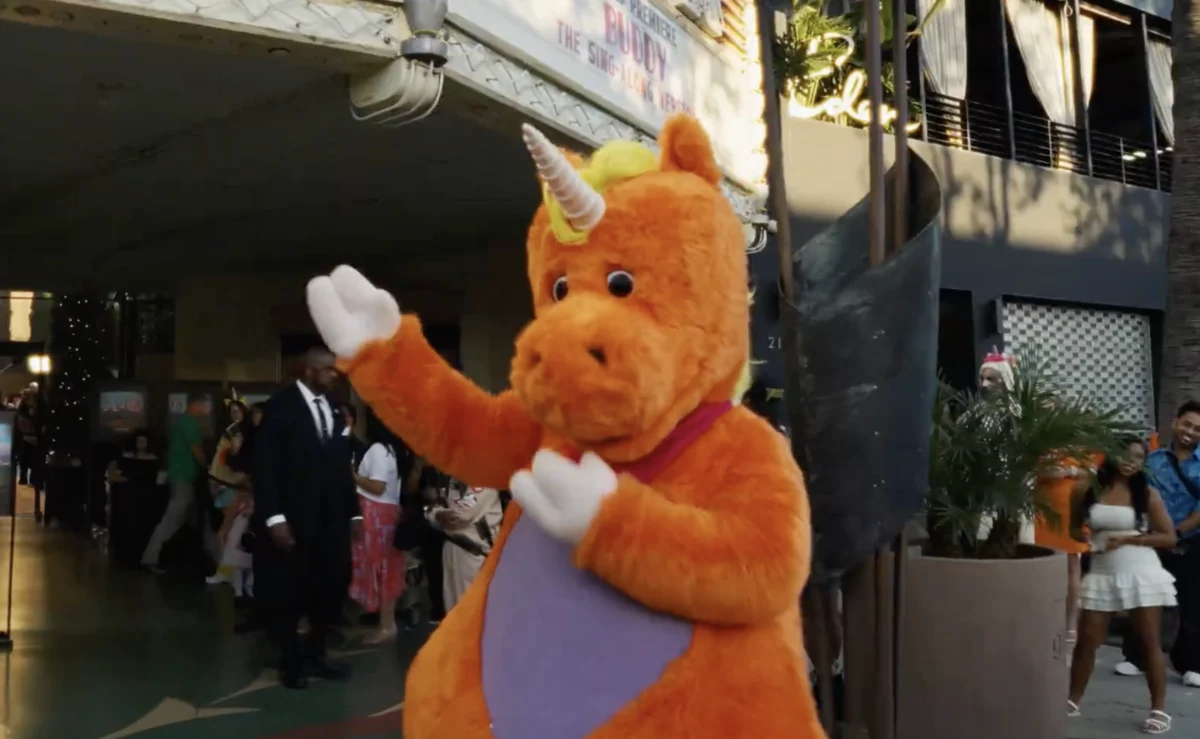
Directed by Casper Kelly and co-written by Kelly and Jamie King, the film Buddy serves as a subversive deconstruction of children’s programming tropes. The narrative is centered on the fictional television show It’s Buddy!, a vibrant, pastel-hued production where a bright orange unicorn facilitates song-and-dance numbers for a group of children. However, the premise quickly devolves into psychological horror when one child defies the show’s rigid, forced cheerfulness, causing the fabricated world of the program to unravel.
The film’s aesthetic—a jarring juxtaposition of high-energy, saccharine musical numbers and escalating psychological dread—has resonated with audiences, propelling the film to gross over $25 million within just five weeks of its initial release. This performance marks a significant milestone for distributors Roadside Attractions and Saban Films. For Saban Films, the project stands as its highest-grossing release to date, while for Roadside Attractions, it has secured a place in their all-time top three, trailing only established hits like I Can Only Imagine and Manchester by the Sea.
The Road to the Sing-Along
The transition from a standard theatrical run to an interactive "sing-along" format is a strategic move by the studio to capitalize on the film’s dedicated fanbase. The "Sing-Along" version will feature on-screen lyrics for the production’s standout musical tracks, including the title song "It’s Buddy!," the ironically titled "You’ve Got to Be Scared to Be Brave," and the ominous "The Wrong Place in Town."
This engagement strategy was bolstered by the recent "Biggest Night Out" Gala Premiere held at Glendale’s historic Alex Theatre on September 29. The event, characterized by an orange carpet, served as a launchpad for the sing-along initiative. According to official reports, demand for the premiere was immediate, with all available tickets selling out within three hours of being listed on the production’s social media channels. The intensity of the fan response at the gala suggests a high level of audience retention and a desire for continued engagement with the film’s unique, if disturbing, musical catalog.
A Cast of High-Caliber Talent
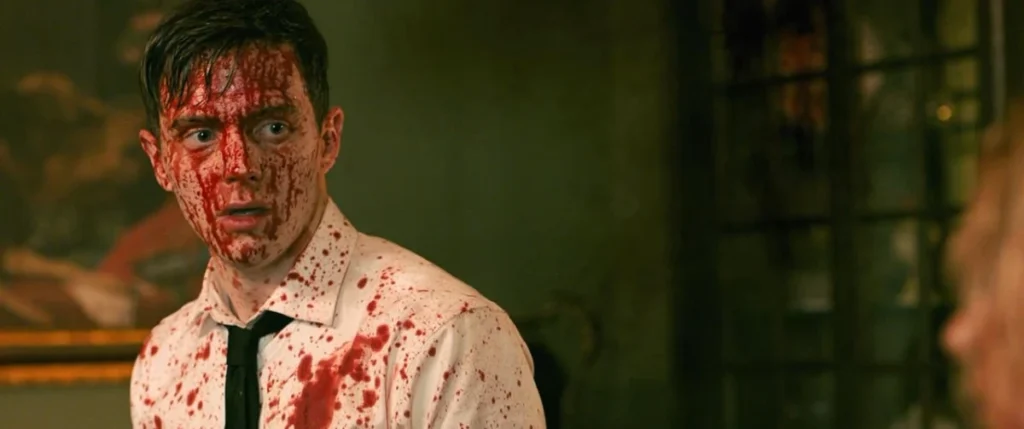
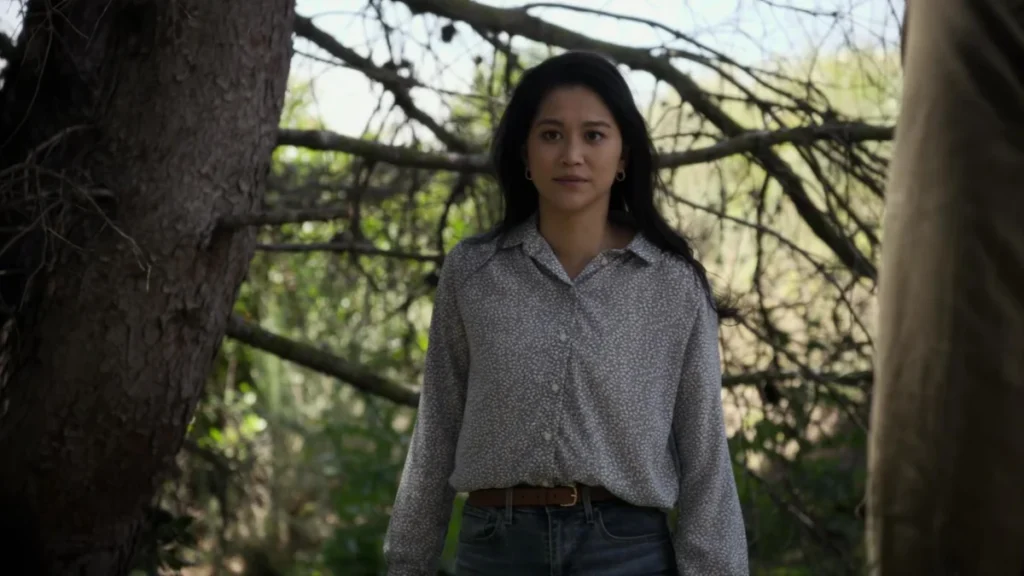
The film’s success is largely attributed to its ensemble cast, who navigate the tonal shifts between whimsical television tropes and intense horror. The cast is led by Cristin Milioti, whose recent acclaim in The Penguin adds to the production’s profile. The supporting cast includes Delaney Quinn, Patton Oswalt, Michael Shannon, Topher Grace, and Keegan-Michael Key.

The presence of such established actors in a genre-bending horror film has been cited by industry analysts as a contributing factor to its crossover appeal. By grounding the absurdity of the film’s premise in high-level performances, the production managed to secure a wider demographic than traditional horror audiences, drawing in viewers who might otherwise avoid the genre.
Industry Implications and Market Analysis
The decision to release a sing-along version of an R-rated horror film is a departure from industry norms. Typically, sing-along formats are reserved for family-oriented musicals or nostalgic classics. However, the move highlights a shift in how studios are leveraging social media-driven fandoms to extend the lifecycle of theatrical releases. By inviting fans to dress as characters and participate in the musical numbers, the distributors are effectively turning a horror movie into an immersive, community-driven event.
From a financial perspective, the $25 million gross in five weeks demonstrates the viability of mid-budget horror films that offer high-concept, "water-cooler" moments. The "Sing-Along" release is designed to capture late-stage revenue, potentially pushing the film’s total haul significantly higher as word-of-mouth continues to spread. Analysts note that this strategy is particularly effective in an era where theatrical attendance is highly sensitive to the perceived "event" status of a movie.
Production and Creative Vision
Casper Kelly’s direction has been praised for its technical precision in mirroring the visual language of low-budget, 1990s-era children’s television. The creative team’s ability to maintain a sense of unease through bright lighting, saturated colors, and repetitive musical motifs has become a central talking point for critics.
The songwriting, which is integral to the sing-along version, plays a dual role in the film: it functions as the source of the characters’ indoctrination within the story, and as the hook for the audience in reality. By stripping the songs of their narrative context and presenting them in a sing-along format, the studio is betting that the audience’s familiarity with the film will override the discomforting nature of the lyrics.
Official Statements and Expectations
While neither Roadside Attractions nor Saban Films have issued a formal press release regarding the long-term box office projections for the sing-along version, the rapid sell-out of the Glendale gala suggests that the studio is confident in the film’s "cult classic" potential.

"The response to the initial run has exceeded our projections," an anonymous industry source familiar with the distribution strategy stated. "The audience isn’t just watching the movie; they are studying it, memorizing the songs, and looking for ways to participate. The sing-along version is a direct response to that demand."
The Future of Interactive Horror
As the industry continues to recover and evolve, the success of Buddy suggests that audiences are increasingly seeking interactive elements in their entertainment. If this sing-along engagement proves successful, it could signal a trend in which horror films are increasingly paired with interactive components to drive repeat viewings.
The film’s performance also highlights the strength of the horror genre in current theatrical markets. Despite the rise of streaming platforms, horror remains one of the few genres that consistently commands a theatrical audience, driven by the desire for a collective, communal experience. By layering the sing-along aspect onto this foundation, the distributors have tapped into a model that prioritizes the shared experience of the theater, a key differentiator from home viewing.
A Note on Accessibility
Prospective viewers are encouraged to check local listings for showtimes, as the sing-along engagement is a limited-time theatrical release. Given the demand for the premiere, theater chains are advising patrons to book tickets in advance, particularly for weekend screenings. The film, which maintains its R-rating, remains intended for mature audiences, a factor that will be monitored by theater staff to ensure the appropriate environment for the sing-along experience.
As Buddy prepares for its nationwide expansion this Friday, the focus of the film industry will remain on whether this unconventional marketing strategy can sustain the momentum generated over the past month. Should it succeed, it may well set a new precedent for how horror films are marketed and experienced in a post-pandemic theatrical landscape, emphasizing audience participation as a core component of the filmgoing experience.
In conclusion, the launch of Buddy: The Sing-Along Version represents more than just a re-release; it is a calculated expansion of the film’s brand. By bridging the gap between the screen and the audience, the production has effectively converted a piece of content into a cultural moment, securing its place in the 2026 release calendar and proving that even the most unsettling stories can find a rhythmic, harmonic home in the hearts of their audience.