Father’s Day, a time often associated with expressions of gratitude and familial bonds, can, for many, evoke more complex emotions. This is particularly true within the realm of horror cinema, a genre that frequently delves into the darkest aspects of human psychology and societal anxieties. While Mother’s Day often garners narratives of nurturing and protection, the figure of the father in horror films has historically been painted with a much darker brush, frequently embodying neglect, malevolence, or outright abandonment. This pervasive negative portrayal, however, overlooks a compelling subset of characters who, despite the terrifying circumstances they face, demonstrate unwavering paternal devotion. This analysis aims to explore this nuanced landscape, highlighting instances where fathers in horror transcend their often-negative archetypes to become symbols of courage and resilience in the face of supernatural and psychological threats.
The enduring trope of the "bad dad" in horror is not without its psychological underpinnings. Horror, as a genre, often functions as a cathartic exploration of our deepest fears and traumas. In many real-world scenarios, parental figures, particularly fathers, can be sources of significant childhood distress. This can manifest as emotional unavailability, physical or psychological abuse, or simply the absence of a supportive presence. Filmmakers, tapping into these societal anxieties, have consistently utilized the father figure as a conduit for terror. From Jack Torrance’s descent into madness in Stanley Kubrick’s The Shining, where his paternal role devolves into a threat to his own family, to the manipulative and homicidal Jerry Blake in The Stepfather franchise, who embodies a perverted ideal of domesticity, the genre is replete with cautionary tales of paternal failure. Dr. Frankenstein, abandoning his creation at the moment of its "birth" due to his fear of responsibility, further exemplifies this recurring theme of parental abdication. These characters often represent not just individual failings but also broader societal anxieties about patriarchal authority and its potential for corruption.
The persistent negative portrayal of fathers in horror has, for many fans, presented a challenging viewing experience. Growing up immersed in a genre that predominantly depicted men as dismissive, absent, or actively harmful to their families can be alienating. The lack of positive male role models in these narratives leaves a void for viewers seeking relatable or aspirational paternal figures. This absence is particularly poignant in a genre that, at its core, often explores themes of protection and the desperate fight for survival. The archetypal horror dad often flees danger, dismisses his family’s concerns, or becomes the very source of their terror, a stark contrast to the protective instincts often associated with fatherhood. This editorial aims to shift the focus, celebrating those fathers in horror who, despite their imperfections and the nightmarish realities they inhabit, rise to the occasion to protect their loved ones.
Chris: A Steadfast Presence in the Face of the Unseen
In Steven Soderbergh’s unsettling psychological thriller Presence, the character of Chris, portrayed by Chris Sullivan, emerges as a beacon of paternal stability amidst escalating supernatural and familial chaos. Unlike the typical horror patriarch who dismisses uncanny occurrences or succumbs to possession, Chris approaches the unfolding terror with remarkable composure and a profound commitment to his daughter’s emotional well-being. The film situates the family at a critical juncture: their daughter is grappling with the apparent suicide of her best friend, their son is exhibiting antisocial behavior, and the mother is facing legal entanglements. The emergence of a malevolent presence in their new home only amplifies these existing tensions.
Chris’s strength lies not in his denial of the supernatural, but in his willingness to confront it alongside his family. When his daughter voices her fears about the entity haunting their house, Chris does not dismiss her claims. Instead, he listens empathetically, offering the emotional support she desperately needs. This validation is crucial, particularly in a genre where parental disbelief often exacerbates a child’s terror. Furthermore, Chris actively defends his daughter when she feels threatened by the encroaching supernatural forces. This proactive stance, coupled with his unwavering emotional availability, positions him as a truly supportive father, demonstrating that true strength in the face of fear lies in connection and validation, not in denial or aggression. His character serves as a powerful counterpoint to the common horror trope of the oblivious or actively harmful father.

Chucky: A Twisted Protector in the Realm of the Absurd
The inclusion of Chucky, the infamous killer doll voiced by Brad Dourif, on a list of "good dads" in horror is a testament to the genre’s capacity for subversion and character evolution. While Charles Lee Ray’s murderous past is undeniable, the narrative arc developed by creator Don Mancini has transformed the "Good Guy" doll into a surprisingly complex paternal figure, particularly in his relationship with his child, Glen/Glenda. Introduced in Seed of Chucky, Glen/Glenda is a genderfluid character struggling with their identity and Chucky’s expectations of them becoming a killer.
Chucky’s "good dad" status, while fraught with the inherent absurdity of his existence, stems from his evolving acceptance of his child. While he initially struggles with Glen/Glenda’s lack of homicidal inclination, his core struggle shifts towards understanding and accepting their gender identity. In a society where parental rejection of LGBTQ+ children remains a significant issue, Chucky’s eventual embrace of his child’s fluidity stands in stark contrast. His poignant declaration in the Chucky television series, "I’m not a monster," resonates with a desire for self-acceptance and a plea for understanding, mirroring the struggles of many parents navigating similar issues. This unexpected evolution highlights how even the most monstrous characters can, through narrative development, embody unexpected facets of humanity, including paternal love and acceptance. The Child’s Play franchise, through its willingness to explore such unconventional themes, challenges viewers to reconsider their definitions of family and parenthood, even within the most violent of contexts.
Gabe: The Unlikely Guardian in a Terrifying Reality
Winston Duke’s portrayal of Gabe in Jordan Peele’s Us presents a father figure who embodies both lightheartedness and fierce protectiveness. Gabe is initially depicted as a fun-loving, energetic individual, the life of the party, and someone you’d want to share a backyard barbecue with. However, when his family is thrust into a terrifying encounter with their doppelgängers, Gabe rises to the occasion, transforming from a jovial husband into a formidable protector.

The pivotal scene where Gabe stands outside their home, armed with a baseball bat and confronting the intruders, encapsulates his character’s duality. He is undeniably scared, yet he masks his fear with a defiant bravado, shouting, "If you wanna get crazy, we can get crazy!" This moment, though fraught with peril, showcases his commitment to his family’s safety. Despite the surreal and terrifying nature of their predicament, Gabe remains supportive of his wife, Adelaide (Lupita Nyong’o), even when he doesn’t fully grasp the intricacies of their situation. His willingness to face down unimaginable threats to shield his children underscores a fundamental paternal instinct. He is the embodiment of the seemingly ordinary man who, when faced with extraordinary danger, discovers an inner strength to defend those he loves. His character serves as a reminder that heroism can emerge from the most unexpected individuals, particularly when motivated by the powerful bond of family.
Greg: Flawed but Fiercely Supportive in a World of Chaos
Greg, as depicted by Adam Brooks in Psycho Goreman, represents a more unconventional, albeit undeniably effective, paternal figure. While the film’s premise is steeped in extreme violence and dark humor, Greg’s unwavering support for his children, particularly his daughter Mimi, sets him apart from many horror dads. Greg is far from an ideal husband; he is portrayed as lazy, somewhat incompetent, and lacking in practical skills. His wife’s exasperation with his shortcomings during the film’s climactic battle is palpable and understandable.
However, Greg’s flaws are consistently overshadowed by his profound love for his children. He embraces Mimi’s psychopathic tendencies, encouraging her to be true to herself, even when her actions have potentially world-ending consequences. His ultimate trust in her decision-making, though questionable from an objective standpoint, highlights a deep-seated paternal faith. This unwavering support, even in the face of extreme circumstances, distinguishes him from the often-dismissive or negligent fathers frequently seen in the genre. Greg demonstrates that being a good father is not about perfection, but about unconditional love and a willingness to believe in one’s children, regardless of their eccentricities or the extraordinary challenges they face. His character adds a layer of heartwarming, if somewhat chaotic, paternal devotion to the film’s over-the-top narrative.

Jong-goo: A Father’s Love in the Shadow of Unfathomable Evil
Kwak Do-won’s portrayal of Jong-goo in Na Hong-jin’s critically acclaimed The Wailing offers one of the most heart-wrenching examinations of paternal love in horror cinema. Jong-goo is a police officer whose life is irrevocably altered by a series of inexplicable deaths and a pervasive demonic presence that infects his village and, most tragically, his young daughter. While not a flawless character—he is depicted as somewhat bumbling and struggles with his professional duties—his dedication to his daughter is absolute.
Jong-goo’s journey is one of escalating desperation as he witnesses his child fall victim to a malevolent force. He invests every ounce of his being into finding a way to save her, grappling with traditional police procedures, shamanistic rituals, and the encroaching supernatural. His actions are driven by an overwhelming love and a fierce paternal instinct to protect his child from unimaginable harm. While his methods may be flawed, born out of his terror and confusion, his ultimate goal remains clear: to save his daughter’s life. The film masterfully depicts the agonizing struggle of a good father pushed to his absolute limits by an evil he cannot comprehend. Jong-goo’s tragic narrative serves as a powerful reminder of the lengths to which parents will go for their children, even when faced with insurmountable odds and the deepest, darkest corners of human fear.
Steve: A Grounded Father Figure Navigating the Supernatural
Craig T. Nelson’s performance as Steve Freeling in the original Poltergeist holds a special place in the pantheon of horror dads, primarily because he was one of the first to offer a semblance of grounded paternal normalcy in a genre often defined by its villains. Steve is not a monster; he is a relatable suburban father trying to protect his family from an unseen, malevolent force that has invaded their home. His calm demeanor when explaining the concept of counting lightning strikes to his terrified son, a technique that helped assuage childhood fears of storms for many viewers, exemplifies his caring nature.

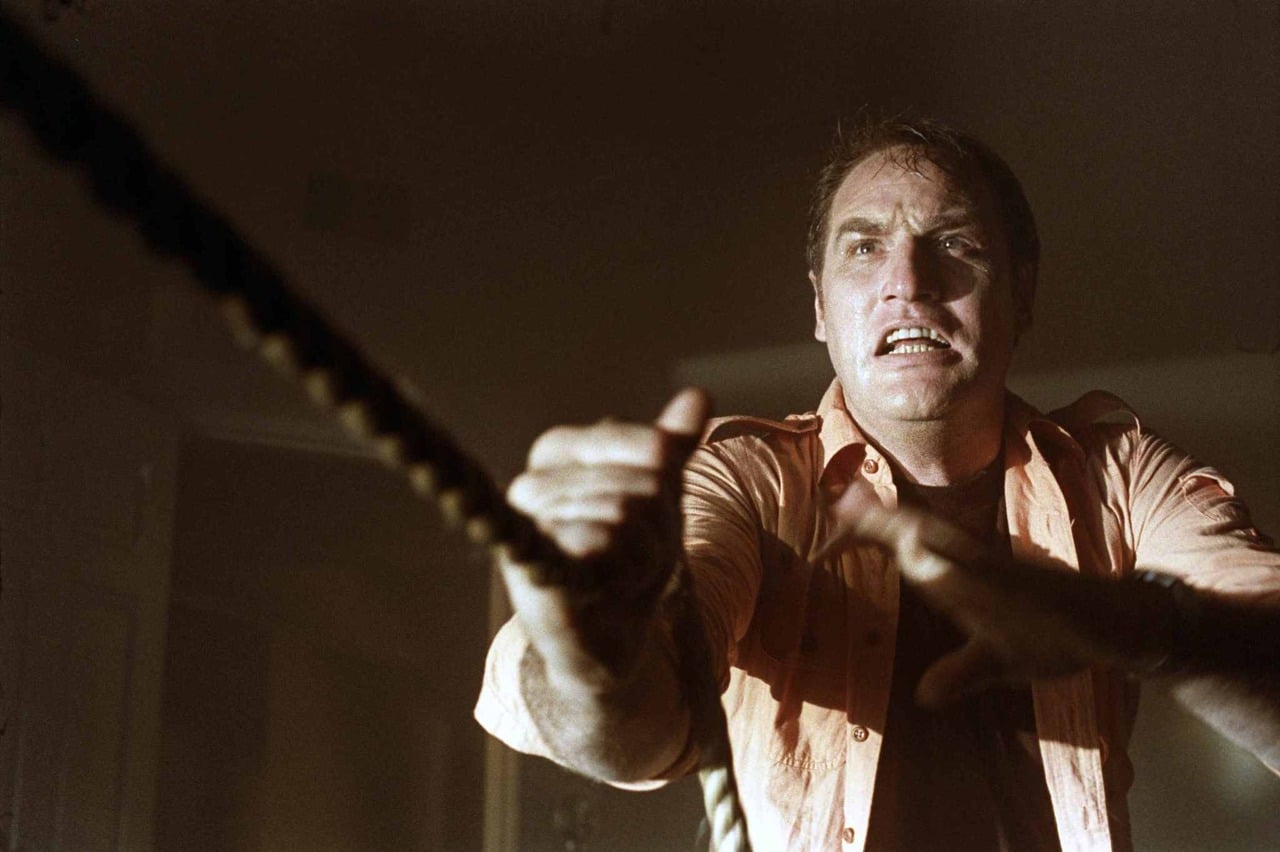
While Poltergeist II delves into more complex aspects of Steve’s character and past transgressions, the original film focuses on his unwavering commitment to his family’s safety. He listens to his wife’s concerns, actively participates in the struggle against the supernatural entities, and demonstrates a profound love for his children. His fear is palpable, not because he is a coward, but because he recognizes the immense danger his family is in and feels the weight of responsibility. Steve’s strength lies in his willingness to confront the unknown, to fight for his loved ones, and to do everything in his power to bring them back from the clutches of the spectral realm. He represents the ordinary man thrust into extraordinary circumstances, whose innate paternal drive becomes his greatest weapon.
The exploration of these fathers in horror cinema reveals a compelling counter-narrative to the genre’s pervasive depiction of paternal deficiency. These characters, whether flawed or heroic, demonstrate that the father figure, even in the most terrifying of settings, can embody love, courage, and an unyielding commitment to protecting their family. As the genre continues to evolve, it is crucial to acknowledge and celebrate these figures who challenge the established tropes and offer a more nuanced and hopeful perspective on fatherhood amidst the darkness. Their presence in horror cinema, though often overshadowed, provides valuable insights into the enduring power of paternal bonds and the remarkable resilience of the human spirit in the face of overwhelming fear.