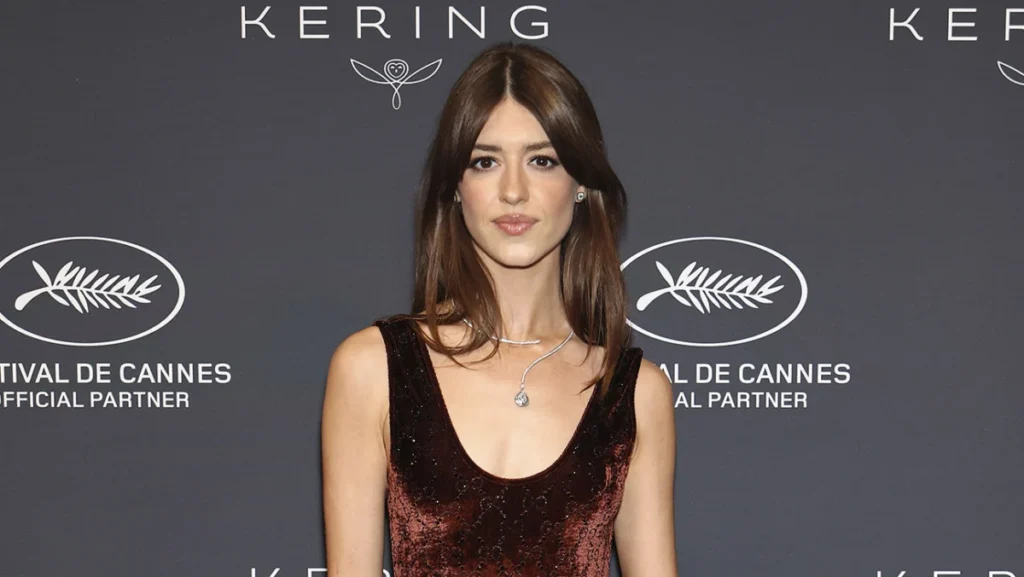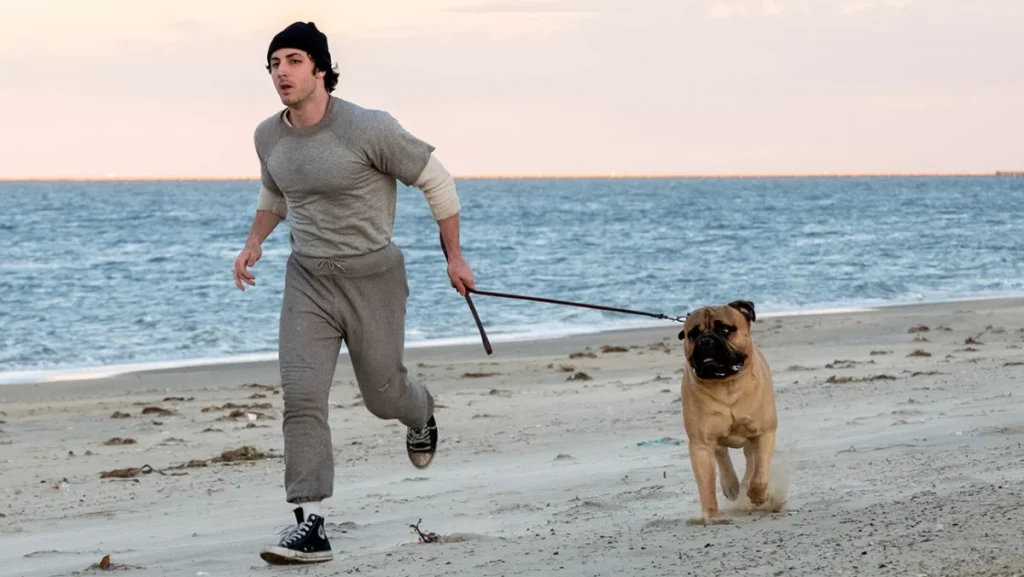
After a whirlwind experience with Supergirl, the singer behind the movie’s much-debated cover version of Jimmy Eat World’s “The Middle,” Kelty Greye, is confident that everything will be all right, despite the polarizing reception her rendition garnered. Her journey from recording in a homemade bedroom booth to becoming a central point of discussion for a major DC Studios film exemplifies the unpredictable nature of the music industry and the immense power of sync licensing. The unexpected inclusion of her melancholic, slowed-down interpretation of the iconic 2001 power-pop anthem has not only introduced her to a global audience but also ignited a broader conversation about artistic interpretation, film scoring, and the evolving dynamics of fan engagement in the digital age.
The Improbable Path to a DC Studios Feature
The genesis of Greye’s involvement was a testament to serendipity and the modern music ecosystem. It wasn’t until a mere two months before Supergirl’s June 26 release that she received an email from the DC Studios film’s team regarding the inclusion of her version of “The Middle.” This was an improbable turn of events for Greye, an as-yet-unsigned artist who had recorded the cover in her bedroom three years prior while pursuing a commercial songwriting degree at Middle Tennessee State University. Her academic background, focused on the business and craft of songwriting, unknowingly laid the groundwork for this pivotal career moment.
At the time of the recording, Greye had recently secured representation with Think Music, a sync licensing agency, after an original song she posted online attracted attention. Sync licensing, the process of obtaining rights to use copyrighted music in visual media, has become a crucial revenue stream and exposure vehicle for many artists, particularly independent ones. The agency, recognizing Greye’s unique vocal style and potential, connected her with producer KidMotel and presented a curated list of singles for a possible cover. “The Middle,” a song that holds a special place in pop culture history, immediately resonated with Greye. It remains Jimmy Eat World’s signature tune, having ascended to a top-five hit on the Billboard Hot 100 chart when it debuted 25 years ago, solidifying its status as a generational anthem. For Greye, it was a piece of her own musical upbringing.
A Reimagined Anthem: From Emo Rock to Folk-Pop Ballad
Greye’s rendition was a deliberate departure from the original’s upbeat, punk-rock energy. She detailed the recording process, telling The Hollywood Reporter, “I recorded that in my bedroom between classes in a little booth I built out of packing blankets and PVC pipe.” This DIY approach underscores the accessibility of modern music production and the raw talent that can emerge from unconventional studios. Despite its humble origins, this version was deemed suitable for the film without any alterations, speaking volumes about its inherent quality and the production team’s vision.
Greye, who had never performed the song publicly before this recording, explained the creative choices behind her slowed-down interpretation. “I was an emo. I loved that whole genre of music, but that’s not my style to sing like that,” she stated. Her background as a violinist also heavily influenced the arrangement. “I talked to my producer and was like, ‘What if I put violin strings?’ He sent me the guitar track and was like, ‘What if we slow it down a bit, and your voice is really soft?’ It’s such a powerful song, and I love the message. It was really, really cool to sing it as a woman.” This reimagining transformed the angst-laden, anthemic call to perseverance into a more introspective, vulnerable plea, imbued with a distinct folk-pop sensibility.

The original “The Middle,” with its iconic lyrics, “It just takes some time, little girl, you’re in the middle of the ride,” is deeply associated with the emo rock scene that thrived in the 2000s. Its enduring appeal was evident when Jimmy Eat World closed their set with the song at Coachella last year, a testament to its status as a timeless classic. However, Supergirl’s cover sparked widespread discussion on social media, much of which veered away from Greye’s vocal performance or artistic interpretation. Instead, the discourse predominantly centered on fans questioning the placement of this introspective version during a high-octane, action-packed moment in the film for Milly Alcock’s title character.
The Supergirl Context: Box Office Challenges and Creative Choices
The controversy surrounding the song’s placement was not isolated; it became intertwined with the broader reception of the Supergirl movie itself. The film, part of DC Studios’ ambitious new cinematic universe under co-CEOs James Gunn and Peter Safran, faced significant scrutiny even before its release. Its box office opening, as noted by Peter Safran, "did not meet expectations," indicating a challenging debut for the new DC slate. This underperformance amplified the discussions around various creative choices within the film, including the musical cues.
Director Craig Gillespie later revealed the extensive deliberation that went into selecting the final "needle drop" for that pivotal scene, disclosing that 45 songs were considered. The Hollywood Reporter further reported that a cover of Cyndi Lauper’s “Girls Just Want to Have Fun” was a strong contender for the spot. This highlights the intricate process of music supervision and the artistic weight placed on such decisions, particularly in superhero films where audience expectations for tone and pacing are often very specific. Greye herself was unaware of the song’s final placement until the film’s release day, sharing, “When the movie came out, I was at work and couldn’t go see it yet. And I was seeing spoilers on the internet about where the song was, which is crazy.” This underlines the secrecy surrounding major film productions and the immediate, often unfiltered, nature of online reactions.
Social Media’s Unfiltered Verdict: A Spectrum of Feelings
When asked about the intense social media attention her song received, Greye offered a remarkably mature and philosophical perspective. “As an artist, all you want to do is make people feel something. So, what an honor to have created something that gives people a wide spectrum of feelings. Whether you loved it or hated it, if you walked out feeling something, that’s just cool: ‘Wow — gave you an emotional response.’” This perspective reframes criticism not as a personal attack but as evidence of her art’s impact, validating the emotional resonance she aimed to achieve.
The immediate and often strong opinions expressed by social media users took some processing for Greye. “At first, it was a little surreal,” she admitted. “I just was seeing my name pop up on things and was like, ‘That’s wild.’ But after the first 24 hours, I was like, ‘You know what? That’s cool. I’m down. Any feelings you want, it’s cool.’” Her acceptance of both positive and negative feedback demonstrates a resilience crucial for artists navigating the public sphere. The debate itself, while perhaps not entirely favorable, served to amplify her name and work far beyond what an unsigned artist could typically achieve, essentially turning a critical moment for the film into a viral moment for her music.
Kelty Greye’s Journey Continues: Beyond the Call Center

Life has yet to change dramatically for Greye, who continues to balance her burgeoning music career with a day job at a customer support call center in Nashville. This grounded reality is a stark reminder of the often-arduous path of independent artists, even those who achieve unexpected viral fame. She openly admitted that she was on the brink of abandoning her folk-pop singer-songwriter aspirations when the Supergirl opportunity arose. This moment, therefore, wasn’t just a professional milestone but a personal lifeline, reigniting her passion and belief in her musical future.
Recently, Greye released Haunt Me, her debut four-song EP, which features original tunes alongside a poignant Nina Simone cover. This release is a strategic move to capitalize on the exposure from Supergirl, offering new listeners a deeper dive into her artistic vision beyond the controversial cover. She looks forward to exploring where music could yet take her, fueled by this newfound momentum.
Her aspirations extend beyond performance. “My favorite thing in the world is music in film, so this has always been my dream,” says Greye, highlighting her long-term ambition for sync placements. She hopes to someday connect with DC Studios co-CEO James Gunn, a known music enthusiast and curator for his films, to express her gratitude for the opportunity and, perhaps, to learn what specifically made her performance stand out among the dozens of considered tracks. Reflecting on the film and her contribution, she added, “I enjoyed the movie and just thought it was a really wonderful scene. Really cool to hear my song in it but thought it was powerful for the characters.”
Broader Implications: Sync Licensing and the Independent Artist
Kelty Greye’s story is a compelling case study in the modern music industry, particularly for independent artists. It underscores several critical points:
- The Power of Sync Licensing: For unsigned artists, a major film or TV sync placement can be more impactful than traditional radio play or record deals, offering instant global exposure and often significant financial compensation. Think Music’s role as a sync licensing agency was crucial in bridging the gap between Greye’s bedroom recording and Hollywood.
- Authenticity and Artistic Vision: Greye’s decision to re-interpret “The Middle” in her own style, rather than mimic the original, proved to be her unique selling proposition. This artistic authenticity is increasingly valued by music supervisors looking for fresh perspectives on familiar songs.
- The Double-Edged Sword of Social Media: While the online debate about her song was polarizing, it undeniably generated immense buzz and put Greye’s name on the map. In an era of content saturation, controversy can, paradoxically, be a powerful tool for visibility, as long as the artist can navigate it with grace and resilience.
- The Enduring Relevance of Covers: A well-executed cover can breathe new life into an older track and introduce both the original and the new artist to different generations of listeners. It also demonstrates an artist’s interpretive skills and versatility.
- DC Studios’ Evolving Strategy: The choice of Greye’s cover in Supergirl reflects a willingness within major studios to experiment with musical cues, potentially aiming for unexpected emotional depth or a departure from conventional superhero film scores. While this particular choice sparked debate, it highlights a creative openness that could define the new DC cinematic universe.
In conclusion, Kelty Greye’s journey from a commercial songwriting student recording in a makeshift booth to an artist at the center of a major film’s musical debate is a powerful narrative of modern artistic opportunity. Her experience with Supergirl and "The Middle" cover transcends a mere film soundtrack inclusion; it is a testament to the unpredictable paths to success in the digital age, the critical role of artistic interpretation, and the profound impact music can have, even when it challenges audience expectations. As Greye continues to pursue her dreams, her story serves as an inspiration and a blueprint for countless independent musicians hoping to make their mark on the world stage.