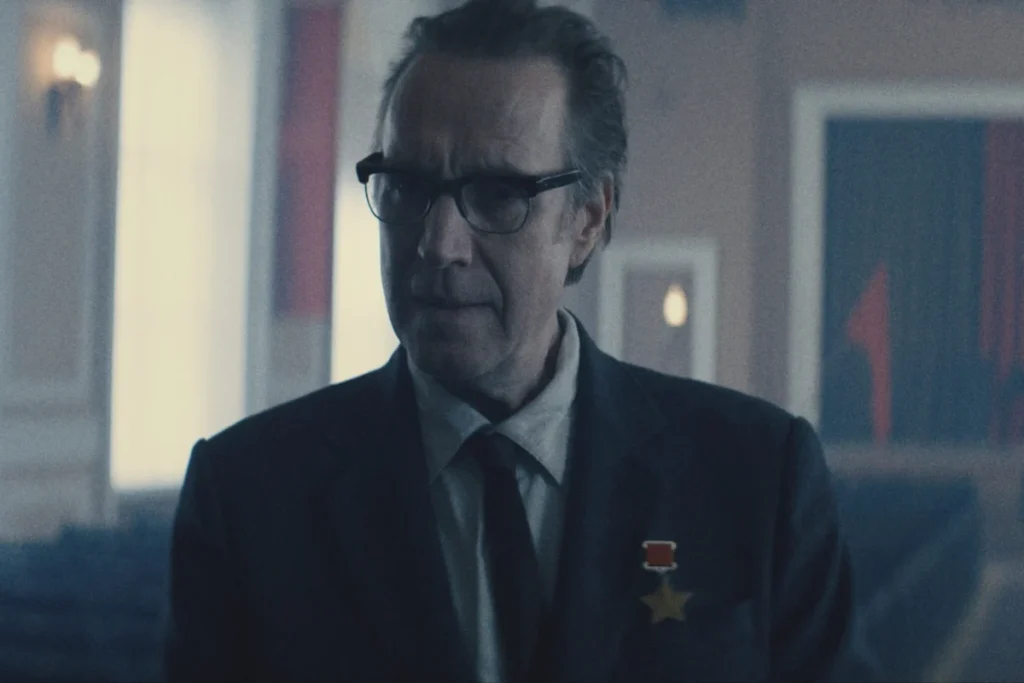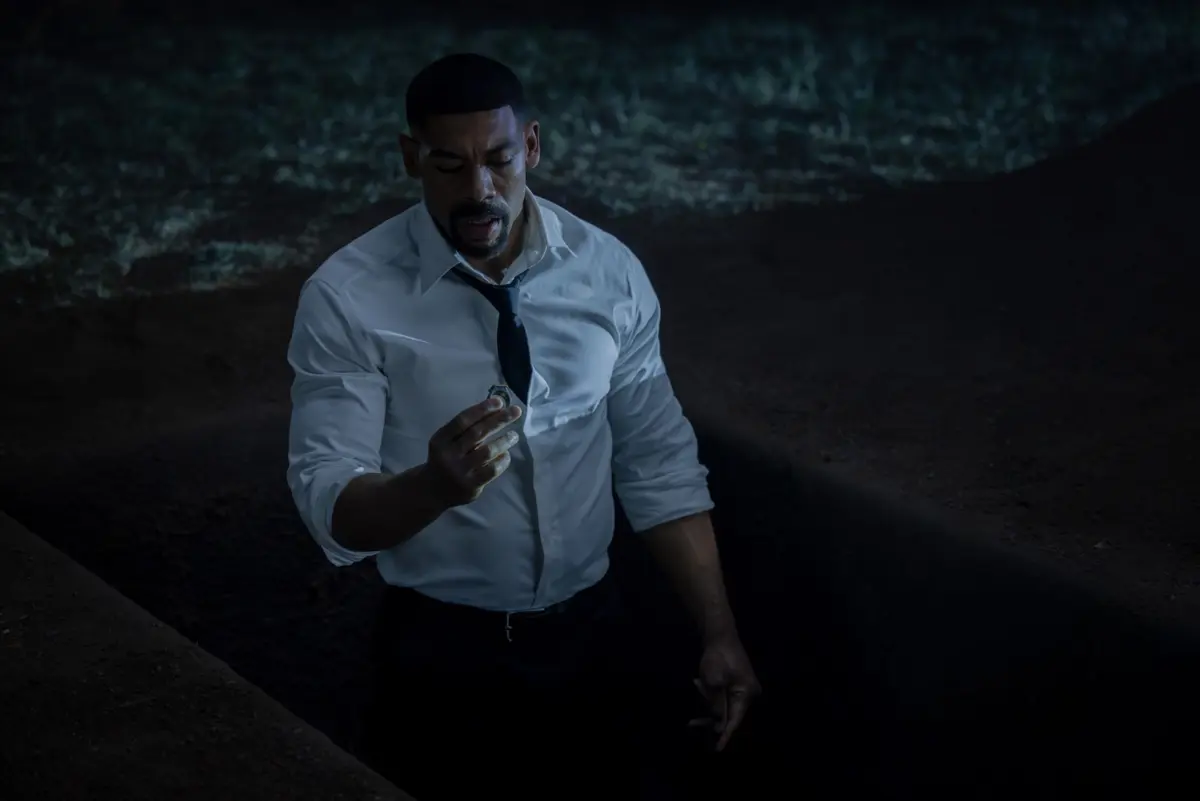
The explosive season one finale of HBO’s critically acclaimed series Lanterns delivered a watershed moment for DC Universe television when lead actor Aaron Pierre, portraying the iconic space-faring peacekeeper John Stewart, uttered a profoundly altered Green Lantern oath during a high-stakes sequence. Rather than reciting the time-honored pledge proclaiming that no evil shall escape one’s sight while relying on absolute fearlessness, Stewart’s revised incantation centered on the conscious acknowledgment and acceptance of fear. This deliberate creative departure immediately sparked widespread discourse across fan communities and television critics alike, redefining the psychological foundation of what it means to wield a power ring in contemporary superhero media.
Following the broadcast of the season finale, lead actor Aaron Pierre addressed the narrative pivot during an exclusive post-finale press conference attended by entertainment journalists. Delving deep into the psychological makeup of his character, Pierre argued that Stewart’s capacity to confront his inner anxieties rather than suppress them is the defining attribute of his heroism. According to the actor, traditional portrayals of superheroes often lean heavily on invulnerability and an absence of doubt, whereas Stewart’s true superpower lies in his emotional intelligence, self-awareness, and eventual mastery over human vulnerability. This philosophical shift not only alters the mechanics of the Green Lantern Corps within the narrative canon of the show but also establishes a nuanced, grounded character arc for one of DC’s most enduring heroes.
Narrative Context and the Evolution of the Oath
The alteration of the Green Lantern oath is not merely a stylistic flourish by the showrunners; it represents the culmination of a multi-episode psychological journey for John Stewart. In traditional comic book lore established over decades of publishing history, Green Lanterns are chosen for their ability to overcome immense fear through sheer willpower. However, HBO’s Lanterns takes a more psychological, grounded approach to the mythos, drawing stark parallels between military trauma and cosmic responsibility. Stewart, introduced in the series as a former United States Marine, carries the invisible scars of his terrestrial service into his cosmic duties.
Throughout the inaugural eight-episode season, viewers witnessed Stewart grapple with the monumental weight of the power ring—an ancient artifact of immeasurable destructive and creative potential. While other wielders might mask their internal turmoil behind stoicism or bravado, Stewart’s approach to the mantle is characterized by brutal honesty. By forcing the character to articulate his fears during the charging sequence in the finale, the creative team deliberately subverted eighty years of established comic book tropes. The alteration transforms the ring from a blunt instrument of cosmic policing into a responsive conduit of emotional honesty, tying the user’s psychological state directly to the weapon’s efficacy.
Chronology of Character Development: From Rejection to Acceptance
To fully understand the weight of the season one finale, critics and fans must examine the deliberate pacing of John Stewart’s character arc across the narrative timeline of the series. Pierre detailed this progression during the press conference, highlighting a pivotal decision made by the character a decade prior to the main events of the series.
In a flashback sequence set in 2016, a younger John Stewart was initially offered the power ring. Rather than accepting the weapon out of pride or ambition, Stewart actively rejected it. Pierre noted that this rejection was rooted in profound self-awareness: the future superhero recognized that he lacked the emotional maturity and psychological readiness required to shoulder the immense burdens of the Intergalactic Police Corps.
Instead of viewing this initial refusal as a moment of weakness, Pierre interprets it as a masterclass in personal responsibility. Over the ensuing ten-year timeline depicted in the series, Stewart did not shy away from the trauma of that decision. Instead, he leaned into his self-awareness, actively seeking personal growth and transformation. When the mantle was offered to him again a decade later, he accepted it not because he had become devoid of fear, but because he had learned how to process, absorb, and utilize his anxieties constructively. Pierre emphasized that Stewart approaches his own shortcomings with the mindset of an eternal student—absorbing knowledge rather than deflecting criticism when confronted with his own limitations.
Industry Implications and Critical Reception
The first season of Lanterns has performed admirably for HBO, capturing both casual viewers and die-hard comic book enthusiasts with its atmospheric storytelling, high production values, and elevated character studies. By casting Aaron Pierre in the pivotal role of John Stewart, the network secured a powerhouse performance that has garnered early praise for potential award consideration in the dramatic television space.
The decision to alter the sacred oath has initiated broad industry discussions regarding the modernization of legacy intellectual property. In an era where superhero fatigue is frequently cited by box office analysts and television critics, networks are under increasing pressure to subvert formulaic storytelling. Shows like Lanterns demonstrate that modern audiences respond favorably to complex, flawed protagonists who deal with psychological trauma in realistic ways. By humanizing a cosmic peacekeeper through the lens of anxiety and emotional regulation, the series has elevated comic book television above traditional genre confines.
Furthermore, the integration of Stewart’s Marine background provides a culturally resonant subtext regarding veteran mental health and the normalization of confronting fear. Media analysts point out that portraying a Black superhero who does not have to project an infallible, hyper-masculine persona to be perceived as strong marks a progressive step forward in broadcast representation. Stewart’s vulnerability serves as a direct antidote to outdated tropes of stoicism, offering a healthier blueprint for heroism that resonates deeply with contemporary audiences.
Broader Impact on the DC Universe Streaming Landscape
As all eight episodes of the inaugural season of Lanterns stream globally on HBO, industry observers are already looking ahead to the broader implications this narrative foundation will have on future seasons and interconnected projects. The establishment of John Stewart as a reflective, emotionally intelligent anchor for the franchise signals a clear directional choice for the studio’s television slate.
With the character having officially crossed the threshold from reluctant participant to fully realized superhero by the conclusion of season one, future storylines are poised to explore the operational friction between traditional, dogmatic members of the Green Lantern Corps and Stewart’s progressive, emotionally honest methodology. This ideological conflict within the cosmic ranks promises fertile ground for dramatic tension as the series progresses.
Ultimately, Aaron Pierre’s nuanced interpretation of John Stewart has redefined a foundational pillar of DC lore. By proving that true courage is born not from the absence of fear, but from the deliberate acknowledgment and mastery of it, Lanterns has successfully elevated its status from a standard genre adaptation to a compelling, character-driven drama. As the dust settles on the dramatic events of the season one finale, audiences are left with a renewed appreciation for a hero whose greatest strength lies not in his unbreakable constructs of green light, but in his unbreakable honesty with himself.