The Genesis of a Global Phenomenon
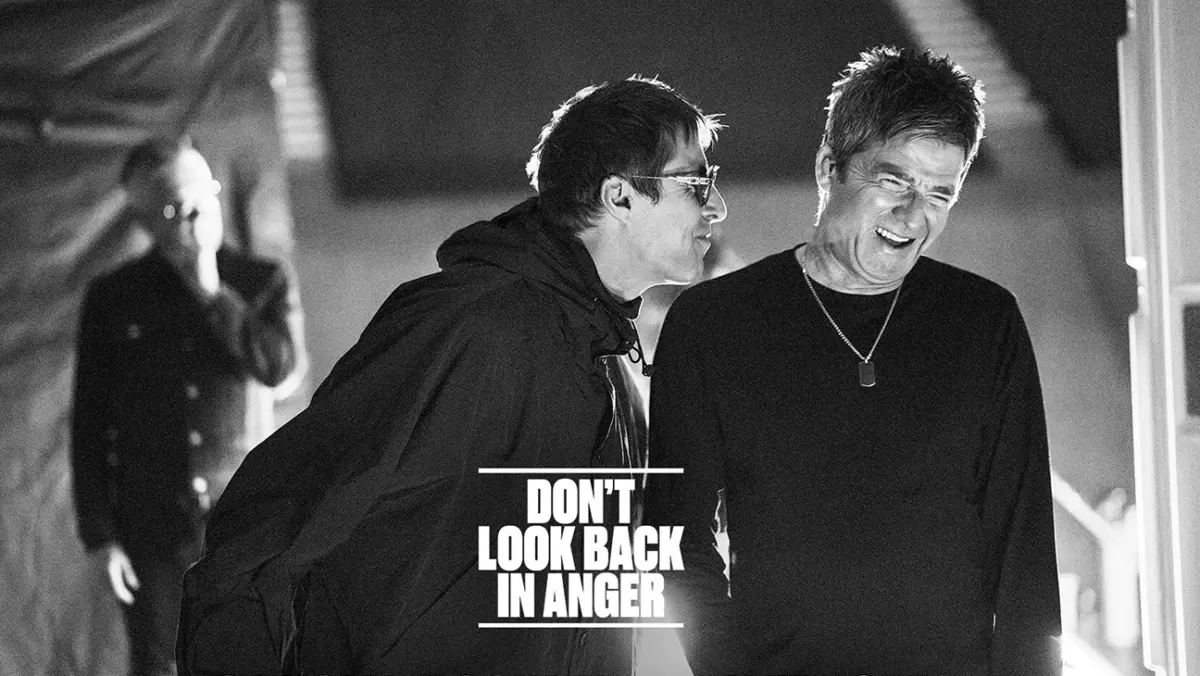
The narrative arc of Oasis: Don’t Look Back in Anger begins with the seismic announcement of the 2025 reunion tour. After the band’s acrimonious split in 2009, which followed a backstage altercation at the Rock en Seine festival in Paris, the prospect of a reunion had long been considered a statistical impossibility by music industry insiders. The brothers engaged in a public, years-long war of words, characterized by social media jabs and increasingly bitter interviews that seemed to solidify the end of one of Britain’s most successful musical exports.
However, the tide began to turn in early 2025. Following a series of private negotiations, the Gallaghers confirmed their return to the stage. The tour did more than just reunite the band; it served as a cultural reset. Over the course of the tour, Oasis performed to millions, selling out venues from Wembley Stadium to the Rose Bowl, and generating an estimated $400 million in global ticket sales. The documentary captures the palpable tension and eventual relief that permeated the rehearsals, providing viewers with an unvarnished look at the logistical and emotional complexity of staging a reunion of this magnitude.
Accessing the Documentary: Streaming and Logistics
As the digital landscape for music documentaries continues to evolve, the release of Don’t Look Back in Anger reflects a strategic push by major streaming platforms to monetize the "event-film" model. Beginning October 9, 2026, the documentary will be accessible through the Disney+/Hulu bundle. For consumers looking to access the content, subscription plans commence at $11.99 per month for the ad-supported tier.
While the primary streaming services do not currently offer standalone free trials, industry partnerships provide alternative pathways for access. Specifically, DirecTV’s Signature packages—which include the Entertainment, Choice, Ultimate, and Premier tiers—integrate the Disney+ and Hulu bundle directly into their service offerings. These packages provide a five-day free trial, allowing viewers to stream the documentary at no initial cost. Following the trial period, these subscriptions start at $20.99 per month, offering a comprehensive package for households looking to consolidate their entertainment services. This strategic distribution reflects the growing trend of cross-platform bundling, where content providers leverage telecommunications partnerships to maximize reach during high-profile releases.
Unprecedented Access: The Gallagher Reconciliation
What distinguishes this documentary from previous retrospectives on the band is the level of access granted to the filmmakers. Steven Knight, best known for his work on Peaky Blinders and his meticulous approach to character-driven narratives, was granted permission to document the rehearsals and the personal interactions between the brothers. This marks the first time in over twenty years that the Gallaghers have participated in a joint, long-form interview.
The film serves as an "uplifting account" of the 2025 tour, according to the official production notes. By blending high-definition concert footage with candid, behind-the-scenes dialogue, the film bridges the gap between the mythic status of the band and the human reality of the individuals involved. Critics who reviewed the film during its theatrical run noted that the documentary does not shy away from the friction that defined the 2009 split, but rather frames the 2025 tour as a mature, albeit tentative, reconciliation. The inclusion of bonus content exclusive to the streaming release—footage that did not make the theatrical cut—is expected to provide further context on the band’s songwriting process and the emotional labor required to revive the Oasis brand.
The Economic and Cultural Impact of the Reunion
The implications of the Oasis reunion extend far beyond the music industry. Economically, the Live ’25 tour provided a significant stimulus to the travel and hospitality sectors in the cities that hosted the band. Data from the tour’s organizers indicates that hotel occupancy rates in major hubs like London, Manchester, and New York saw double-digit percentage increases during the dates of the performances.
From a cultural perspective, the tour challenged the prevailing notion that rock music has lost its place at the center of the zeitgeist. By selling out stadiums with a catalog that, for the most part, predates the streaming era, Oasis proved that there is a significant, intergenerational demand for legacy acts. The documentary serves as a study in this demand. By capturing the fan experience—from the frantic ticket-buying process to the collective singing in the stadiums—the film acts as a time capsule for 2025. It documents a moment where, for a few months, the music industry was dominated by a band that had been effectively defunct for fifteen years.
Chronology of the Oasis Legacy
To understand the weight of the documentary, one must look at the timeline of the band’s trajectory:
- 1991: The band forms in Manchester, initially known as The Rain, before Liam Gallagher suggests the name Oasis.
- 1994: The release of the debut album Definitely Maybe marks the start of the "Britpop" explosion.
- 1996: The legendary Knebworth concerts set the benchmark for outdoor stadium shows.
- 2009: The band dissolves following a physical altercation between Noel and Liam in Paris.
- 2009–2024: The Gallagher brothers pursue solo projects, with Noel forming the High Flying Birds and Liam achieving significant success as a solo artist.
- 2025: The official announcement of the Live ’25 tour, breaking ticket sales records globally.
- 2026 (September): The theatrical release of Oasis: Don’t Look Back in Anger.
- 2026 (October 9): The wide-release streaming premiere on Disney+/Hulu.
Fact-Based Analysis: Implications for Future Legacy Acts
The success of the Oasis reunion and the subsequent documentary suggests a new blueprint for legacy bands. In an era where digital presence is paramount, the ability to curate a narrative that feels both authentic and commercially viable is the gold standard for artists. By allowing cameras into their most private moments, the Gallaghers have effectively managed the public perception of their return.
Analysts point out that this transparency—or at least the appearance of it—is vital for modern audiences who are increasingly skeptical of "cash-grab" reunions. By centering the documentary on the brotherly dynamic rather than just the music, the film provides a compelling narrative that appeals to those who may not be die-hard fans of Britpop but are interested in the sociology of high-profile sibling conflicts and professional reconciliation.
Official Responses and Industry Reception
While the Gallaghers have remained relatively tight-lipped regarding their future beyond the 2025 tour, the release of the documentary has been met with positive industry sentiment. Producers have emphasized that the project was never intended to be a mere concert film. "It is an exploration of legacy," stated a representative for the production team. "It is about what happens when the dust settles, and two of the most influential songwriters of their generation decide that the music is finally worth more than the grudge."
As the streaming date approaches, anticipation continues to build. The digital release is expected to reach a global audience that was unable to attend the limited-run theatrical screenings, further cementing the status of the Live ’25 tour as a milestone event. For the millions who grew up listening to "Wonderwall" and "Champagne Supernova," the documentary represents an opportunity to witness the final resolution of a saga that has defined British rock music for over three decades.
As October 9 arrives, the release will serve as a definitive metric for the sustained relevance of the band. Whether the documentary marks the beginning of a new chapter for Oasis or serves as the final period on their storied career remains a subject of intense speculation. Regardless, the availability of the film on major streaming platforms ensures that the story of Oasis—from the council estates of Manchester to the pinnacle of global stadium success—will be preserved for future generations of music enthusiasts. The documentary, in its essence, fulfills the promise of its a refusal to dwell on the failures of the past, in favor of a documented, albeit complex, celebration of the present.