The intersection of legacy media, modern digital distribution, and long-term franchise management continues to define the current landscape of the global gaming industry. Recent developments, ranging from the cinematic contributions of veteran directors to the strategic divestment of virtual reality assets, highlight the volatile yet cyclical nature of software development. As titles such as Monster Hunter Rise achieve historic sales milestones and classic cult titles like Dead of the Brain find new life on digital storefronts, the industry reflects on the dual importance of intellectual property preservation and the evolution of gameplay mechanics.
Takashi Yamazaki and the Cinematic Roots of Gaming
The career trajectory of filmmaker Takashi Yamazaki, currently garnering international attention for his work on the Godzilla franchise, serves as a notable case study in the cross-pollination of film and interactive media. While Yamazaki is best recognized for his visual effects direction and storytelling in live-action and animated features—including Lupin III: The First and Stand By Me Doraemon—his early portfolio reveals significant involvement in the video game sector.
MobyGames documentation identifies six primary credits for Yamazaki within the gaming industry, with a primary focus on CGI art direction. His most prominent contribution remains the cinematic opening sequence for Capcom’s 2004 title, Onimusha 3: Demon Siege. The sequence, a six-minute masterclass in motion capture and narrative pacing, established a high-water mark for mid-2000s game cinematics. By integrating stunt choreography with advanced CGI, the sequence demonstrated an early understanding of kinetic storytelling that would later define his feature film work. Although Yamazaki’s formal involvement in the gaming sector has been sporadic, his participation in projects like Metroid: Other M highlights a long-standing, if understated, integration between traditional Japanese cinema directors and the burgeoning aesthetic demands of the interactive entertainment industry.
The Preservation of PC-98 Horror: Dead of the Brain
In a move emphasizing the growing market for historical digital preservation, the publisher Fakku has initiated the release of the classic horror adventure title Dead of the Brain on the Steam platform. Originally developed by FairyTale for the NEC PC-9801, the title represents a significant artifact of early 1990s Japanese software.

The transition of Dead of the Brain to a modern distribution model is supported by several quality-of-life adjustments, including enhanced UI elements, hit-box visualization, and crash recovery systems designed to assist modern players in navigating the often-opaque design conventions of the PC-98 era. The decision to bring this title to a broader audience reflects a wider trend among smaller publishers to curate and restore foundational titles that might otherwise be lost to hardware obsolescence. By providing access to the original FM synthesizer soundtrack as optional downloadable content, the publisher is catering to the "retro-enthusiast" demographic, which places a high value on authentic auditory and visual fidelity.
Monster Hunter Rise Reaches 20 Million Units Sold
Capcom has officially confirmed that Monster Hunter Rise has surpassed 20 million units in cumulative global sales. This milestone underscores the enduring viability of the franchise’s iteration-based business model. Following the release of Monster Hunter Wilds, the market response to the series has been bifurcated, with some segments of the player base expressing reservations regarding the newer title’s mechanical departures. This skepticism has facilitated a "re-evaluation" period for Monster Hunter Rise, as players return to its specific traversal mechanics, such as the Wirebug system and the Wyvern Riding feature.
Data suggests that Monster Hunter fans frequently exhibit high levels of platform loyalty and mechanical attachment. Much like the fighting game genre, where players often remain dedicated to specific iterations due to unique, non-carried-over systems, the Monster Hunter community continues to sustain active player populations across multiple console generations. The success of Rise serves as a reminder that accessibility and refined movement mechanics often outweigh sheer graphical fidelity in long-term franchise retention. Analysts suggest that future entries in the series will likely need to reconcile the expansive, detailed maps introduced in recent years with the rapid, skill-based movement options that defined the Rise experience.
Sony’s Divestment from Virtual Reality
The recent sale of Sony’s virtual reality patent portfolio to Meta Platforms Inc. marks a definitive shift in the former’s hardware strategy. For years, Sony sought to establish a foothold in the consumer VR market through its PlayStation VR (PSVR) and PSVR2 hardware. However, the decision to divest indicates a strategic retreat from the high-cost, high-risk nature of the virtual reality hardware sector.
The adoption rate for VR remains constrained by high entry costs, ergonomic concerns regarding motion sickness, and the spatial requirements of residential gaming environments. By offloading these assets to Meta—a company currently doubling down on its "Metaverse" and virtual reality ecosystem—Sony is effectively acknowledging that the specialized hardware investment required to maintain a competitive edge in VR does not align with its current focus on broader home console dominance. For the consumer, this consolidation likely means that Meta will become the primary gatekeeper for mainstream VR innovation in the near term, further centralizing the market under a single technological standard.

Retrospective: Fire Emblem The Sacred Stones at 22
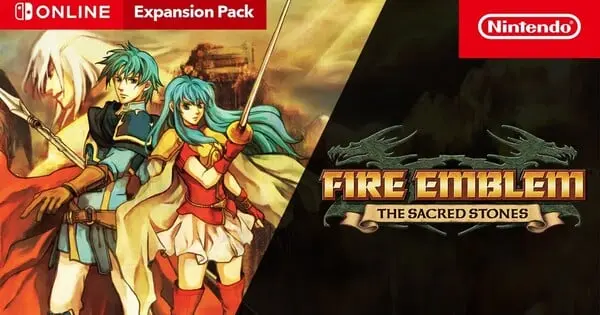
October 7, 2026, marked the 22nd anniversary of Fire Emblem: The Sacred Stones. To commemorate the occasion, series artist Wada Sachiko released new illustrative material featuring the protagonist Eirika, reinforcing the continued cultural relevance of the Game Boy Advance-era titles.
The Sacred Stones is historically significant for its experimental approach to the franchise’s core mechanics, specifically the introduction of branching class promotions and a world-map system that allowed for non-linear engagement with skirmishes. While contemporary audiences often debate the efficacy of these mechanics—with some criticizing the grind-heavy nature of the map encounters—it is undeniable that the title provided the structural foundation for the modern Fire Emblem formula. Elements such as dual-path story progression and expanded unit customization, which were considered experimental in 2004, were later refined and standardized in later releases such as Fire Emblem Awakening.
The longevity of characters like Eirika and Ephraim, bolstered by their presence in the mobile title Fire Emblem Heroes, demonstrates the effectiveness of long-term intellectual property management. By keeping legacy characters active in modern, highly accessible titles, Nintendo ensures that the franchise’s history remains relevant to newer generations of players, thereby facilitating a constant cycle of interest in back-catalog entries.
Broader Industry Implications
The events of the past week reflect a broader maturation of the gaming industry. The focus is shifting away from mere technological "next-gen" benchmarks and toward the sustainable management of existing player communities, the responsible curation of historical software, and the pragmatic assessment of hardware viability.
The industry’s current reliance on iterative success, as seen in the Capcom sales figures, suggests that developers must prioritize the preservation of "fun" mechanics—the specific, proprietary systems that keep players returning—over the constant pursuit of graphical realism. Furthermore, the divestment of Sony’s VR assets and the rise of digital archives for classic titles signal a market that is becoming increasingly segmented. Publishers are moving toward a dual-strategy model: one that pushes for massive, live-service-adjacent blockbusters, while simultaneously utilizing digital storefronts to monetize a vast library of retro content. As 2026 progresses, the ability of companies to balance these two distinct operational modes will likely determine their long-term financial stability in a highly competitive, attention-based economy.