The Genesis of a Cinematic Milestone
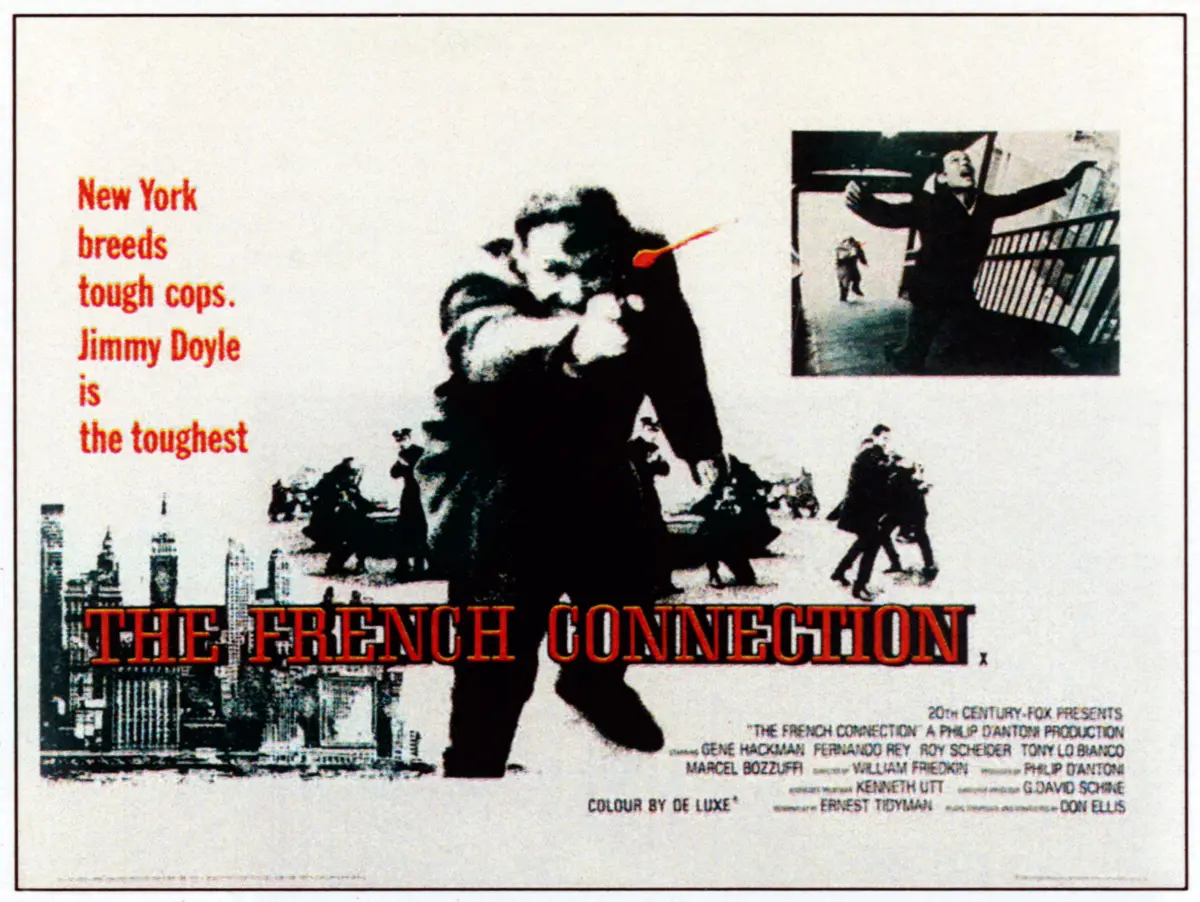
The production of The French Connection was born from a desire to capture the pulse of New York City in an era of social transition. Adapted by Ernest Tidyman from the 1969 non-fiction book by Robin Moore, the film chronicled the real-life exploits of NYPD detectives Eddie Egan and Sonny Grosso, who had successfully dismantled a massive heroin-smuggling network known as the "French Connection."
Friedkin’s approach to the material was unconventional for a major studio production. Having previously helmed The Birthday Party and The Boys in the Band, the director sought to utilize the city’s natural environment to build tension. Working alongside cinematographer Owen Roizman, Friedkin utilized handheld cameras and natural lighting to ground the narrative in the streets of New York, creating a visual shorthand for urban decay and intensity that became a hallmark of the "New Hollywood" movement.
Chronology of Production and Release
The timeline of the film’s development underscores the high-stakes atmosphere that defined its eventual success:
- 1969: Robin Moore publishes the non-fiction account of the actual narcotics investigation, drawing immediate attention from Hollywood producers.
- 1970: Pre-production begins in New York City, with Friedkin insisting on authentic locations rather than soundstages.
- Spring 1971: Principal photography concludes after a grueling, fast-paced shoot involving high-risk stunt work.
- October 9, 1971: 20th Century-Fox releases the film in theaters, where it immediately gains traction in the New York market.
- April 10, 1972: At the 44th Academy Awards, the film cements its legacy by winning five Oscars, including Best Picture, Best Director, and Best Actor.
The Anatomy of the Chase
Central to the film’s critical and commercial longevity is its centerpiece chase sequence—a masterclass in editing and choreography. The sequence pits Gene Hackman’s character, Detective "Popeye" Doyle, against a hitman portrayed by Marcel Bozzuffi. As Bozzuffi’s character attempts to escape via an elevated train, Doyle engages in a high-speed vehicular pursuit below.
The sequence remains a case study in film school curricula for its innovative use of space and pacing. By integrating the car’s speed with the train’s rhythmic movement, the filmmakers created an experience of visceral, kinetic energy that surpassed previous standards for action cinema, including D’Antoni’s previous success, Bullitt (1968).

Critical Reception and Academy Recognition
When the film arrived in theaters, the critical consensus was immediate and overwhelmingly positive. Reviewers highlighted the sharp, cynical dialogue and the uncompromising portrayal of police work. As noted in the original review by The Hollywood Reporter, the film was praised for its "sharp, funny bits of business," such as the contrast between the high-end dining of the villains and the blue-collar, unglamorous reality of the detectives.
The film’s performance at the 44th Academy Awards served as a final validation of its cultural impact. Securing eight nominations and five wins, it was recognized for:
- Best Picture: A rare accolade for a gritty, R-rated crime thriller at the time.
- Best Director: Cementing Friedkin’s status as a preeminent visionary.
- Best Actor: Recognizing Gene Hackman’s transformative portrayal of Doyle.
- Best Adapted Screenplay: Crediting Tidyman for translating the complexities of the drug trade into a coherent narrative.
- Best Film Editing: Honoring the precision that made the film’s pacing so effective.
Character Study: Gene Hackman as Popeye Doyle
Gene Hackman’s performance as Detective "Popeye" Doyle is often cited as a turning point in the actor’s career. Before this role, Hackman was known for strong supporting performances in films like Bonnie and Clyde and I Never Sang for My Father. His portrayal of Doyle—a flawed, obsessive, and frequently abrasive protagonist—challenged the archetype of the traditional "movie cop."
The character of Doyle was intentionally designed to be the film’s "chief participant" rather than a traditional hero. Hackman’s ability to infuse the character with a sense of desperate, singular focus provided the film with its psychological center. His performance demonstrated that a lead actor did not need to be traditionally likable to carry a film, a concept that paved the way for the anti-heroes of the 1970s.
Broader Impact and Industry Implications
The success of The French Connection had profound implications for the film industry. It proved that "gritty" narratives could achieve massive commercial success, encouraging studios to take risks on unconventional scripts and directors.
The film’s integration of location shooting and documentary-style cinematography forced a shift in industry standards. Following the film’s release, audiences began to expect a higher level of realism in action sequences. The reliance on practical stunts, rather than optical effects, became the gold standard for action films throughout the decade.

Furthermore, the collaboration between Friedkin and Roizman set a new benchmark for visual storytelling. By effectively capturing the "texture" of the city—from the cold, metallic hues of the elevated tracks to the drab, unappealing interiors of police offices—they expanded the visual vocabulary of the American thriller.
Retrospective Analysis
Decades after its debut, The French Connection remains a foundational text in the history of cinema. It stands as a bridge between the classic studio system and the modern, auteur-driven era. While the film’s narrative—a high-stakes hunt for international narcotics smugglers—is straightforward, its execution represents a pinnacle of the craft.
The film did not merely depict a crime; it captured a specific, fleeting moment in the cultural history of New York City. The juxtaposition of the villains’ luxury and the detectives’ grim, pizza-crust-chewing reality serves as an enduring metaphor for the class disparities that were increasingly central to American discourse in the early 1970s.
In final analysis, the lasting legacy of the film lies in its rejection of artifice. By stripping away the gloss of the studio era, William Friedkin and his collaborators forced the audience to look directly at the tension, violence, and moral ambiguity of their environment. Whether through the lens of its revolutionary editing or the raw power of Hackman’s performance, The French Connection continues to serve as a benchmark for how a thriller can achieve both artistic significance and widespread public engagement. The film remains an essential pillar of 20th-century cinema, a testament to the power of a clear vision executed with unyielding, uncompromising intensity.