The latest installment of Paramount+’s critically acclaimed science fiction drama Star Trek: Strange New Worlds marks a nostalgic yet uneven return to a familiar narrative landscape. Season 4, Episode 9 brings the USS Enterprise crew back into the whimsical, high-fantasy realm of The Kingdom of Elysian, a concept first introduced to audiences during the show’s inaugural season. While the production maintains its high standards for costume design, character-driven comedy, and elaborate set pieces, the creative execution of this sequel has sparked robust debate among critics, long-term franchise devotees, and casual viewers alike.
Main Facts of the Return to the Elysian Kingdom
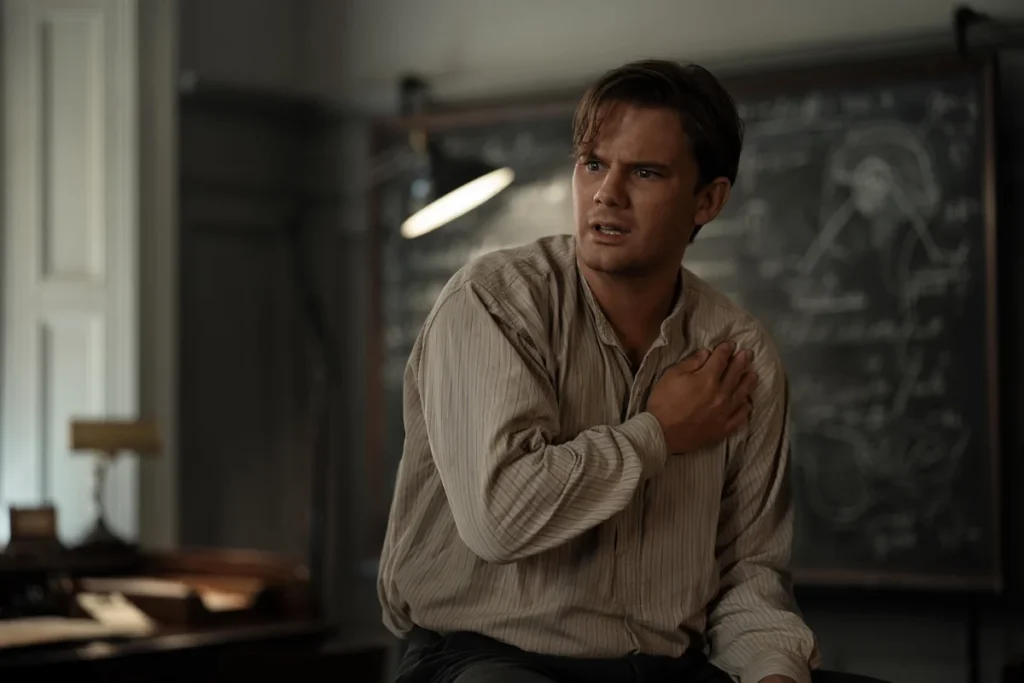
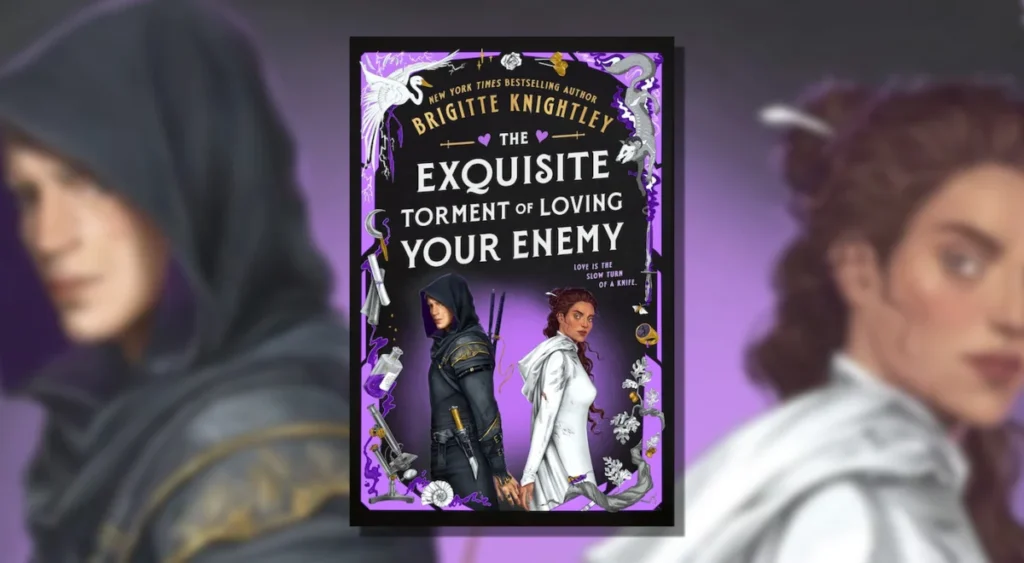
In the ninth episode of the fourth season, the crew of the USS Enterprise finds themselves thrust once more into the literary constructs of The Kingdom of Elysian—a children’s fantasy novel originally penned by Benny Russell, with imaginative expansions contributed by Rukiya M’Benga during her time in the transporter buffer. Unlike the first-season outing, where the crew was entirely subsumed by their fantasy counterparts without conscious awareness of their Starfleet identities, this week’s episode introduces a dual-layered dynamic.

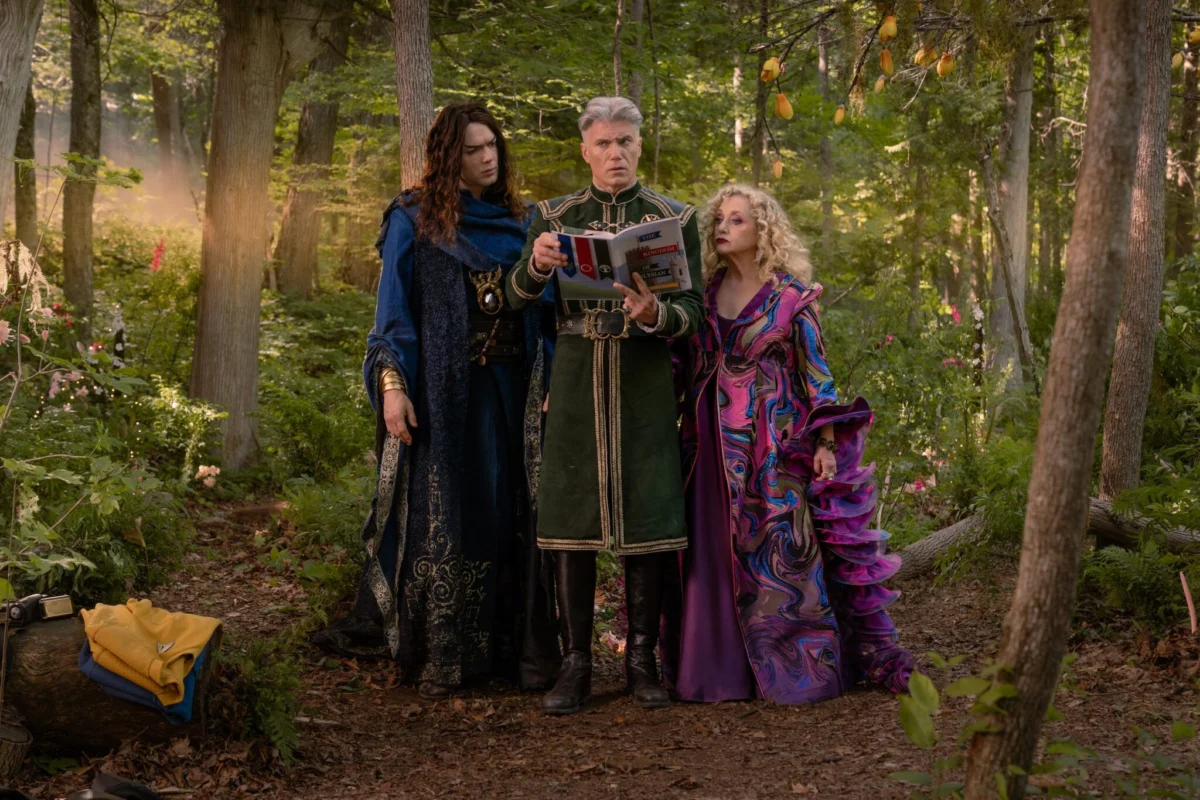
Most characters retain access to their normal personalities and memories while simultaneously navigating their royal, magical, or villainous personas within the floating planetary disk. Medical Officer Dr. Joseph M’Benga, who holds the foundational memories of the original event, once again acts as the anchor and primary informant for a bewildered command crew. Notable highlights include Christina Chong portraying both Lieutenant La’an Noonien-Singh and Princess Thalia in a meticulously choreographed swordfight, and Paul Wesley stepping into the role of Prince Dashing, an endearingly inept romantic foil.
Chronology and Background Context
To understand the narrative weight of Season 4, Episode 9, one must examine the chronology of the Elysian Kingdom story arc within the broader Star Trek continuity.
- First Season Introduction: Alien entities residing within a spatial nebula gifted a simulated version of The Kingdom of Elysian to Dr. M’Benga to comfort his terminally ill daughter, Rukiya. The simulation incorporated Rukiya’s personal fanfiction elements, shipping characters who never originally interacted in Benny Russell’s text. Rukiya ultimately chose to leave her corporeal form to exist within the nebula, securing her health and eternal existence.
- Intermediate Seasons: Throughout subsequent seasons, Star Trek: Strange New Worlds balanced high-stakes serialized drama with standalone comedic and experimental episodes, ranging from musical adventures to transporter-accident capers.
- Season 4 Implementation: Arriving late in the fourth season, the return to Elysia is framed not merely as a localized spatial anomaly, but as an intentional psychological and emotional intervention. Narrative implications strongly hint that the celestial beings—or Rukiya herself—orchestrated the return to help Lieutenant La’an Noonien-Singh process chronic frustration, anger, and personal isolation that had characterized her demeanor throughout the season.
Supporting Data and Production Dynamics

The episode’s production choices reflect both creative ambitions and real-world logistical constraints. Changes in the ensemble cast influenced the narrative structure: Rong Fu’s character, Mitchell—who previously served as a bodyguard in the Elysian simulation—was absent from the episode due to scheduling conflicts with concurrent television projects such as Dying Seconds and The Miniature Wife. Consequently, characters like Pelia (played by Carol Kane) openly noted their lack of narrative counterparts, adding a meta-textual layer of humor to the proceedings.
From a design perspective, the department delivered lavish period-appropriate costumes and elaborate visual effects, highlighted by the introduction of a striking red dragon and the whimsical realization of a flat planetary disk moving through space. Furthermore, the episode integrated prominent pop-culture and franchise callbacks, most notably a direct nod to Star Trek: Deep Space Nine’s acclaimed sixth-season episode Far Beyond the Stars through the explicit identification of Benny Russell as the author of the children’s fantasy text.
Official Responses and Critical Reception
While Paramount+ executives and series showrunners have celebrated the show’s willingness to oscillate between gritty geopolitical drama and unbridled camp, cultural critics have offered nuanced assessments of the episode’s placement within the current season.

Industry analysts tracking streaming performance note that Strange New Worlds continues to pull robust viewership numbers by catering to varied audience preferences. However, television reviewers have pointed out structural fatigue stemming from the density of comedic and lighthearted episodes in Season 4. Following comedic heavy-hitters such as Human Best Friend, Level-Five Transporter Accident, and Like Chronitons Through the Hourglass, the return to the Elysian Kingdom risked oversaturating the season with whimsical premises.
Fans and reviewers alike praised individual performances, particularly Celia Rose Gooding’s transition into a delightfully malicious Queen Neve, Ethan Peck’s comedic modulation between the wizard Pollux and the stoic Spock, and Paul Wesley’s physical comedy. Conversely, critics identified narrative pacing issues, noting that secondary subplots—such as the Enterprise infiltration by Sir Rauth and Pollux, or Queen Neve’s unfulfilled prophecy involving shadow and light—felt rushed and ultimately inconsequential to the primary emotional arc.
Broader Impact and Franchise Implications
The thematic core of Star Trek has historically relied on high-concept science fiction allegories to explore human psychology, trauma, and personal growth. By utilizing a fantastical, genre-bending simulation to facilitate La’an Noonien-Singh’s emotional catharsis, the writers attempted to bridge lighthearted escapism with serious character development.

Despite the mixed consensus regarding its narrative economy, the episode reinforces Star Trek: Strange New Worlds’ unique positioning within the modern franchise landscape. Its capacity to blend classic Deep Space Nine lore, high-fantasy pastiches reminiscent of The Princess Bride, and traditional Starfleet ethics demonstrates the creative flexibility of the series. As the fourth season draws toward its conclusion, the lasting legacy of the Elysian sequel will likely be measured by how effectively it set the stage for La’an’s psychological recovery moving forward, rather than the mechanical perfection of its magical realm.