As the December 2026 theatrical release date approaches, Disney and Marvel Studios have continued their marketing rollout for the highly anticipated crossover event, Avengers: Doomsday, by releasing a new Major League Baseball (MLB)-themed promotional trailer. Directed by franchise veterans Anthony and Joe Russo, the film is designed to serve as the penultimate chapter of the expansive Multiverse Saga, bringing together characters from two decades of cinematic history. Despite the high-profile marketing campaign and an unprecedented roster of actors, the latest promotional material has drawn mixed industry commentary regarding its heavy reliance on previously seen footage and unconventional sports integration.
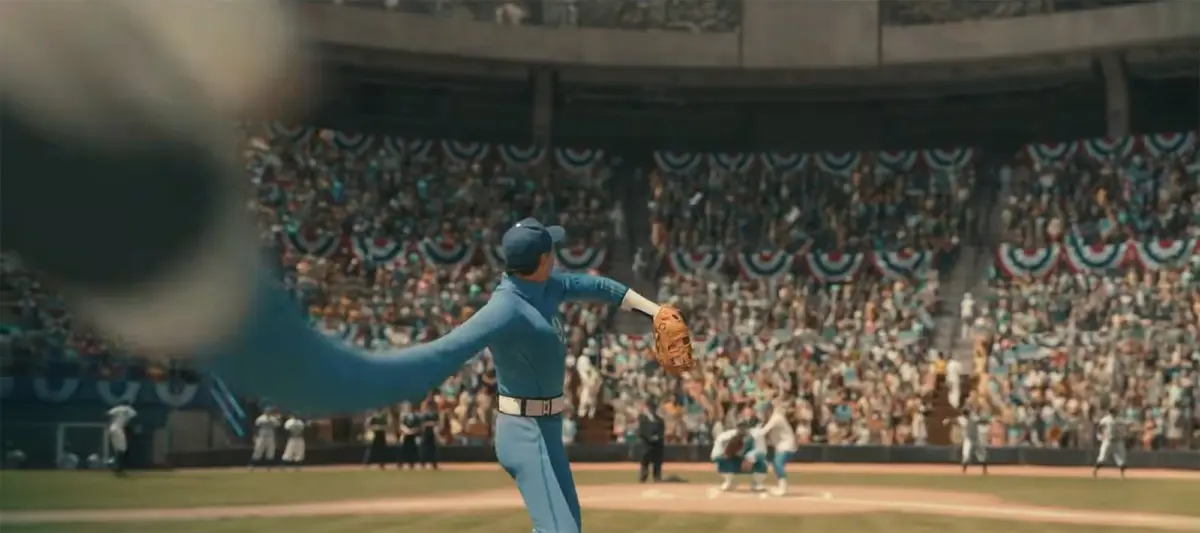
The new promotional spot, distributed across official channels on October 24, 2026, features distinct baseball-themed imagery integrated with footage of the Fantastic Four attending a sporting event within the film’s narrative. However, media analysts and industry observers have noted that the rest of the runtime heavily recycles shots from earlier promotional drops, including the previously released D23 special teaser and character-specific trailers centered on legacy figures like Captain America and Thor.
Background Context and the Evolution of the Multiverse Saga
Avengers: Doomsday represents a monumental shift for the Marvel Cinematic Universe (MCU), functioning as the direct continuation of storylines established across multiple cinematic iterations, television series, and streaming properties over the last sixteen years. The narrative picks up approximately fourteen months after the events of Marvel Studios’ Thunderbolts*, setting the stage for an existential conflict involving the Avengers, the Wakandans, the Fantastic Four, the New Avengers, and the original X-Men team from 20th Century Fox’s historical superhero franchise.

The central antagonist for the upcoming conflict is Doctor Doom, a role that marks the high-profile return of Robert Downey Jr. to the franchise, albeit in a villainous capacity rather than his foundational role as Tony Stark / Iron Man. This casting choice generated significant industry discussion when it was initially announced, signaling a strategic pivot by Marvel Studios to leverage familiar star power to drive interest in the twilight years of the current overarching saga.
The film is helmed by Anthony and Joe Russo, who previously directed some of the MCU’s highest-grossing and critically successful entries, including Captain America: The Winter Soldier (2014), Captain America: Civil War (2016), Avengers: Infinity War (2018), and Avengers: Endgame (2019). The screenplay is penned by Stephen McFeely, who collaborated with the Russos on their previous Marvel outings, alongside co-writer Michael Waldron, known for his work on Doctor Strange in the Multiverse of Madness (2022) and the Disney+ series Loki. Production duties are shared by Marvel Studios head Kevin Feige, Jonathan Schwartz, and the Russo brothers’ independent production banner, AGBO.
Comprehensive Cast and Crossover Logistics
The production features one of the largest ensemble casts in cinematic history, merging contemporary MCU actors with legacy performers from external cinematic universes. The confirmed cast list spans decades of superhero filmmaking, featuring:
- Legacy and Core MCU Veterans: Chris Evans, Tom Hiddleston, Paul Rudd, Anthony Mackie, Sebastian Stan, Letitia Wright, and Winston Duke.
- The Fantastic Four: Pedro Pascal, Vanessa Kirby, Joseph Quinn, and Ebon Moss-Bachrach.
- The Thunderbolts and Extended Roster: Florence Pugh, Wyatt Russell, Simu Liu, Lewis Pullman, Danny Ramirez, and Tenoch Huerta Mejía.
- The Classic X-Men Ensemble: Patrick Stewart, Ian McKellen, Alan Cumming, Rebecca Romijn, James Marsden, Channing Tatum, and Kelsey Grammer.
Managing a cast of this scale has required meticulous logistical planning from AGBO and Marvel Studios, balancing multiple narrative threads from disparate continuity lines. The convergence of the primary MCU timeline with legacy universes—such as the 2000s X-Men franchise and the newly introduced Fantastic Four continuity—serves to consolidate the multiverse before the release of the subsequent planned conclusion, Avengers: Secret Wars.

Marketing Strategy and Box Office Implications
The deployment of the MLB-themed teaser underscores Disney’s strategy of utilizing cross-promotional partnerships to capture mainstream demographics beyond traditional comic book film audiences. By integrating sports branding into the promotional cycle, the studio aims to sustain audience engagement during the final fourteen-month stretch leading up to premiere day.
However, the release strategy has also placed Avengers: Doomsday in direct commercial competition with other major end-of-year blockbusters. Notably, the film is currently slated to debut in theaters on December 18, 2026, landing on the exact same release date as Denis Villeneuve’s Dune: Part Three, distributed by Warner Bros. Pictures. This scheduling conflict sets up one of the most significant box office showdowns of the decade, pitting two major sci-fi and fantasy properties against one another for premium format screens (IMAX, Dolby Cinema) and holiday audience attention.
Financial analysts project that despite criticisms regarding repetitive trailer footage and narrative secrecy, the sheer scale of the crossover event will ensure massive global ticket sales. The MCU has historically relied on mystery boxes and withheld plot details to generate organic social media discourse, a tactic that continues with Doomsday as Marvel Studios maintains strict confidentiality regarding the specific mechanics of the multiversal collision.
Industry Outlook and Future of the Franchise
As Disney prepares for the global theatrical rollout of Avengers: Doomsday in December 2026, the film remains a critical barometer for the health of the superhero genre. Following a period of fluctuating box office returns and shifting audience sentiment regarding franchise fatigue, Marvel Studios is banking on nostalgia, high-profile directorial returns, and massive cross-generational casting to re-establish the cultural dominance of the MCU.

Whether the final product can successfully synthesize characters from disparate cinematic universes into a cohesive narrative will determine not only the financial success of the film but also the trajectory of the Marvel Cinematic Universe as it transitions past the Multiverse Saga. For now, the studio continues its aggressive promotional campaign, signaling to exhibitors and audiences alike that the machinery of the modern blockbuster era is operating at full speed.