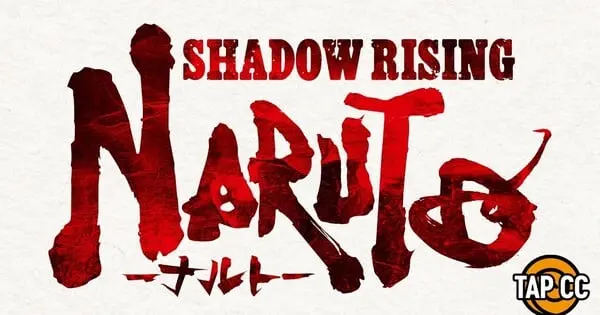
The global anime and manga community received a significant update on Saturday during the "NARUTO: What’s Next?" panel at New York Comic Con, where it was officially announced that franchise creator Masashi Kishimoto is returning to the drawing board for an entirely new entry in the legendary ninja saga. Tentatively titled Shadow Rising Naruto, the project marks a major development in the ongoing legacy of the series that first debuted in 1999. While the announcement was brief, the accompanying teaser trailer has already ignited intense speculation regarding the scope and timeline of this new narrative. Enthusiasts of the series will not have to wait long for further clarity, as Shueisha has confirmed that a comprehensive reveal is scheduled for the Jump Festa ’27 event, taking place December 19-20.
A Legacy Spanning Decades
The history of the Naruto franchise is one of the most successful stories in the history of the medium. Masashi Kishimoto first introduced the world of Konohagakure in Shueisha’s Weekly Shonen Jump in 1999, chronicling the journey of a young, ostracized ninja named Naruto Uzumaki who aspires to become the Hokage, the leader of his village. The original manga concluded its monumental 700-chapter run in November 2014, leaving an indelible mark on global pop culture.
Following the conclusion of the main series, the franchise underwent a massive expansion. The original Naruto television anime, followed by the highly successful Naruto Shippuden, solidified the brand’s position as a pillar of Japanese animation. The franchise’s reach eventually extended into multiple films, original video animations (OVAs), a vast array of video games, stage plays, and a prolific series of novels. The cultural impact of the series is difficult to overstate, as it remains one of the best-selling manga series of all time, with hundreds of millions of copies in circulation worldwide.
The Boruto Era and Editorial Transitions
In May 2016, the franchise entered a new chapter with the launch of the Boruto sequel manga. Initially written by Ukyo Kodachi and illustrated by Mikio Ikemoto, the series shifted the focus to the next generation of ninja, led by Naruto’s son, Boruto Uzumaki. The series experienced a notable transition in July 2019 when it moved from the weekly format of Weekly Shonen Jump to the monthly publication V Jump.
A significant shift in creative direction occurred in November 2020, starting with chapter 52, when Masashi Kishimoto took over the writing duties from Kodachi. This change signaled a return to the series’ original creative roots, which many fans credited for the narrative stability that followed. After a brief hiatus in the spring of 2023, the series returned in August of that same year with a significant rebranding as Boruto: Two Blue Vortex. As of the current date, the Two Blue Vortex arc remains an ongoing, vital component of the franchise, and the announcement of Shadow Rising Naruto suggests that the parent company, Shueisha, is looking to diversify the franchise’s offerings rather than replace the existing serialized content.
Implications for the Shueisha Portfolio
The decision to expand the Naruto brand with a new project at this juncture underscores the strategic importance of the property to Shueisha. In the competitive landscape of the manga industry, where new hits are constantly emerging, the "Big Three" era franchises—One Piece, Naruto, and Bleach—continue to serve as the bedrock of the publisher’s international revenue.
By introducing Shadow Rising Naruto, the publisher is effectively hedging against the inevitable conclusion of long-running serials. The announcement suggests a desire to leverage Kishimoto’s involvement to maintain brand relevance. From an industry perspective, this is a calculated maneuver to maintain engagement with the older demographic that grew up with the original series while simultaneously capturing newer audiences who entered the fold through Boruto.
Analyzing the Teaser and Market Expectations
The video released during the New York Comic Con panel offered little in terms of concrete plot details, focusing instead on atmospheric imagery and the title card. The ambiguity of the title, Shadow Rising Naruto, leaves open several narrative possibilities. Theories circulating among analysts and fans suggest that the "Shadow" moniker could imply a prequel focusing on the history of the Hokage, an investigation into the darker origins of the ninja world, or perhaps a side-story that runs parallel to the events of the current Boruto timeline.
Market analysts observe that the timing of this announcement—positioned just ahead of the Jump Festa ’27 event—is a classic industry strategy designed to generate a sustained buzz during the holiday season. Jump Festa serves as the primary stage for Shueisha to unveil its major upcoming initiatives, and placing the full reveal there ensures the maximum possible exposure among the most dedicated core fans.
Anticipation for Jump Festa ’27
All eyes are now turned toward the December 19-20 event. At Jump Festa ’27, attendees can expect not only a concrete release date for the first chapter but likely a look at the artistic direction of the new series. Industry insiders anticipate that the panel will clarify whether Kishimoto will handle both writing and illustration duties, or if he will once again collaborate with a team of artists to manage the production load.
The announcement of Shadow Rising Naruto has effectively revitalized conversation surrounding the franchise’s potential. Whether this new project serves as a bridge between the Naruto and Boruto timelines or explores a completely different era of ninja history, the industry expectation is that it will be a high-priority title for Shueisha. As the franchise approaches nearly three decades of existence, the ability of the Naruto brand to reinvent itself remains a testament to the enduring appeal of Masashi Kishimoto’s world-building and the continued demand for ninja-based storytelling in the modern market.
The Broader Context of Franchise Expansion
This move also reflects a broader trend within the manga industry: the transition from singular, long-form narratives to interconnected "franchise universes." Similar to the structures seen in American comic book publishing or the Marvel Cinematic Universe, Japanese publishers are increasingly treating their most successful intellectual properties as platforms for multiple, simultaneous stories.
By diversifying the Naruto brand, Shueisha is not merely releasing a new book; they are expanding the ecosystem of the franchise. This allows for merchandise, game tie-ins, and potential animation projects that can all exist under the banner of the "Naruto Universe." For stakeholders and fans alike, the upcoming months will be crucial in determining how this new chapter fits into the established lore and what it means for the future of the ninja world.
As the industry prepares for the Jump Festa ’27 reveal, the primary question remains: can this new entry recapture the lightning-in-a-bottle success of the original series while navigating the complex expectations of a modern, globalized fanbase? With Masashi Kishimoto at the helm, the initial reception suggests that expectations are cautiously optimistic, with many looking forward to seeing how the creator evolves his craft for a new generation of readers. The road to the official launch begins in December, and the global manga community will undoubtedly be watching every development closely.