The annual pilgrimage for pop culture enthusiasts has officially commenced as New York Comic Con (NYCC) opens its doors at the Javits Center, drawing tens of thousands of attendees from around the globe to the heart of Manhattan. As convention-goers navigate the sprawling exhibition floors filled with rare collectibles, exclusive media previews, and sprawling publisher booths, public health advocates and seasoned veterans alike reiterate familiar preventative measures to combat the notorious convention illness colloquially known as "con crud." Medical professionals and convention organizers routinely advise frequent hand sanitization, the avoidance of direct contact with communal touchpoints prior to handling food, and the maintenance of rigorous personal hygiene standards to mitigate the spread of seasonal pathogens during high-density indoor gatherings.
Beyond the exhibition halls of New York City, the broader entertainment and literary landscapes are experiencing a wave of notable releases, spanning rare archival publications, high-profile streaming television premieres, and critically acclaimed non-fiction essays.
The Historic US Debut of Tove Jansson’s The Hobbit Illustrations
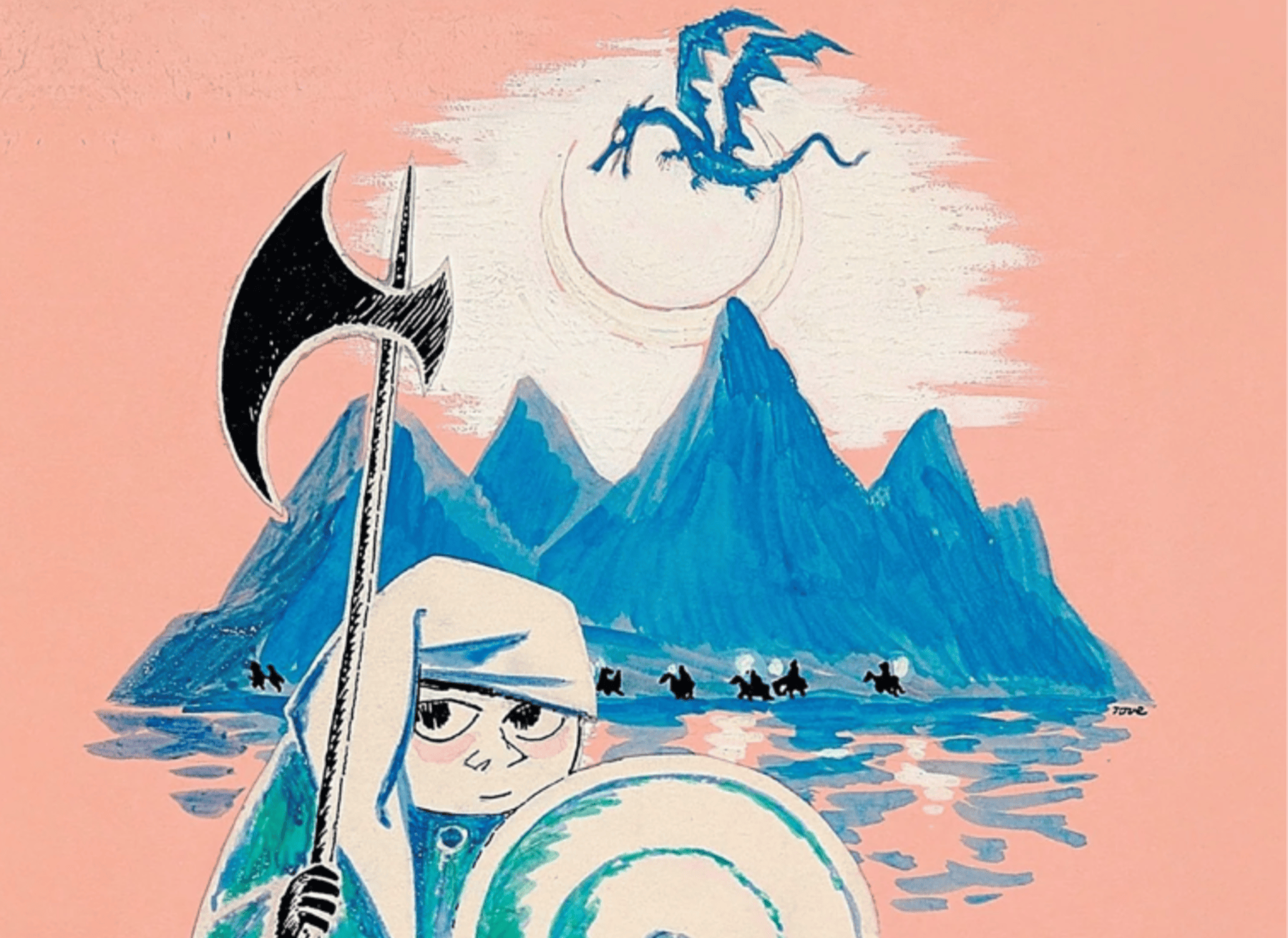
In the literary sphere, American readers are finally gaining access to a piece of Tolkien history that has been celebrated internationally for decades. William Morrow has officially published The Hobbit: Illustrated by Tove Jansson, marking the first time the renowned Finnish artist and author’s distinct interpretation of J.R.R. Tolkien’s Middle-earth fantasy masterpiece is widely available in the United States.
The origins of this unique edition trace back to a mid-century publishing initiative spearheaded by Astrid Lindgren, the celebrated creator of Pippi Longstocking, who served as a publisher at the Swedish publishing house Rabén & Sjögren. Recognizing the immense cultural trajectory of Tolkien’s work, Lindgren actively commissioned Jansson to provide interior artwork for the Swedish translation of the novel. In correspondence leading up to the publication, Lindgren famously predicted to Jansson that the book would become "the children’s book of the century, and will live long after we are dead and buried."
Jansson, internationally celebrated for her creation of the whimsical and existential Moomin series, approached Tolkien’s universe with her characteristic artistic idiosyncrasy. Eschewing the conventional high-fantasy realism often associated with Middle-earth adaptations, Jansson’s illustrations—featuring uniquely stylized renditions of Smaug the dragon and Thorin’s company of dwarves—offer a starkly different visual aesthetic that bridges Scandinavian folklore traditions with modern fantasy literature. The arrival of this volume fills a notable gap in American Tolkien scholarship and publishing history, providing collectors and literary historians with a fresh perspective on a foundational text.
Television Adaptations and Historical Precedents: The Return of Treasure Island
On the television front, premium streaming networks continue to mine classic adventure literature for high-budget adaptations. MGM+ is preparing for the official premiere of its new series adaptation of Robert Louis Stevenson’s Treasure Island. Featuring a high-profile cast that includes Golden Globe nominee David Oyelowo and Academy Award nominee Hayley Atwell, the series aims to reintroduce the quintessential pirate narrative to contemporary audiences.
However, industry analysts note that the series arrives in a crowded marketplace alongside other high-profile nautical projects, including an upcoming feature film directed by Ridley Scott slated for a 2027 theatrical release. The enduring legacy of Starz’s critically acclaimed pirate drama Black Sails, which functioned as a complex prequel to Stevenson’s novel, continues to cast a long shadow over new interpretations of the source material. Despite receiving widespread critical praise during its four-season run from 2014 to 2017, Black Sails remains a frequent subject of discussion regarding underseen television gems and the underutilization of its ensemble cast, which featured standout performances by Hannah New and Jessica Parker Kennedy.
Media industry observers point out that the commercial performance of MGM+’s Treasure Island will serve as an important litmus test for audience appetite for traditional adventure serials in an era dominated by established intellectual property franchises and high-concept fantasy universes.
Critical Discourse and Speculative Non-Fiction: Franny Choi’s We Radiant Things
In contemporary non-fiction and cultural criticism, poet and essayist Franny Choi has released her highly anticipated essay collection, We Radiant Things: Notes on Being Alien and Becoming Cyborg, published via her ongoing exploration of speculative identity and technology. Following her critically lauded 2019 poetry collection Soft Science, Choi’s new work offers a trenchant, multi-faceted examination of artificial intelligence, systemic racism, and the emotional realities of technological integration.
The collection opens with a critical reappraisal of Alex Garland’s 2014 science fiction film Ex Machina, utilizing the cinematic narrative as a springboard to explore broader themes of embodiment, alienation, and cultural anxiety. Choi’s writing style redefines contemporary cultural criticism, operating from a vantage point they describe as "tenderly, from stabbing range." Subsequent chapters extend this analytical framework to foundational texts such as Mamoru Oshii’s anime masterpiece Ghost in the Shell, establishing the collection as a significant contribution to cybernetic theory and contemporary literary essays.
Streaming Landscape: Genre Hybrids and Speculative Television
Rounding out the week’s media offerings, Netflix has introduced Below, a supernatural thriller series set against the atmospheric backdrop of coastal Newfoundland. Starring Josh Hartnett and Mackenzie Davis, the series follows a high-tension narrative involving unexplained maritime phenomena and local ecological anomalies.
Early critical reception from major entertainment publications has been cautiously optimistic, with reviewers drawing stylistic comparisons to classic procedural mysteries and atmospheric horror television. The inclusion of Hartnett, alongside a cast featuring Charlie Heaton, has generated considerable discussion across digital fan communities regarding casting dynamics and serial storytelling structures. Industry analysts observe that Below represents Netflix’s ongoing strategy to invest in mid-budget, high-concept genre television designed to capture sustained viewer engagement through serialized mystery and atmospheric world-building.
As New York Comic Con continues its multi-day run and autumn media slates unfold across publishing houses and streaming platforms, the convergence of archival literary releases, prestige television revivals, and avant-garde non-fiction highlights a dynamic period for popular culture and critical discourse alike.