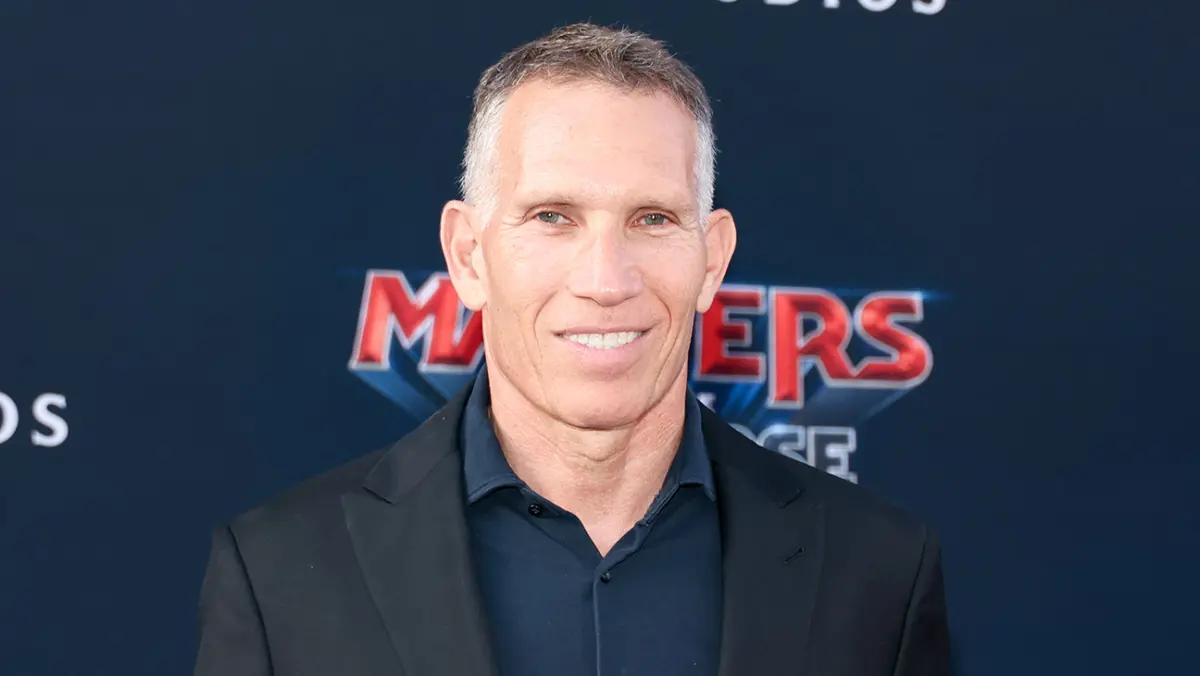
Shortly after 9:30 a.m. this past Thursday, the trading floor of the New York Stock Exchange became the stage for a high-stakes transition in the entertainment industry. Ynon Kreiz, the former CEO of Mattel, joined David Ellison and the Skydance leadership team at the Citadel Securities booth to mark the company’s arrival as a major public player. As Citadel trader Peter Giacchi called out the inaugural trade—$9 on 519,000 shares—Ellison struck a ceremonial wooden mallet against a large gold bell. The moment was followed by a resounding, forceful strike from Kreiz, a gesture that observers noted as emblematic of his decisive and high-energy leadership style.
The event signals a significant shift in the corporate architecture of Hollywood. For Skydance, the arrival of a seasoned executive like Kreiz is not merely a formality; it is a strategic move designed to reassure institutional investors as the company absorbs significant legacy assets. Following the recent acquisition-led restructuring, Skydance is tasked with navigating a complex media landscape defined by declining linear television revenues and the urgent necessity for robust, brand-driven streaming content.
A Proven Architect of Brand Synergy
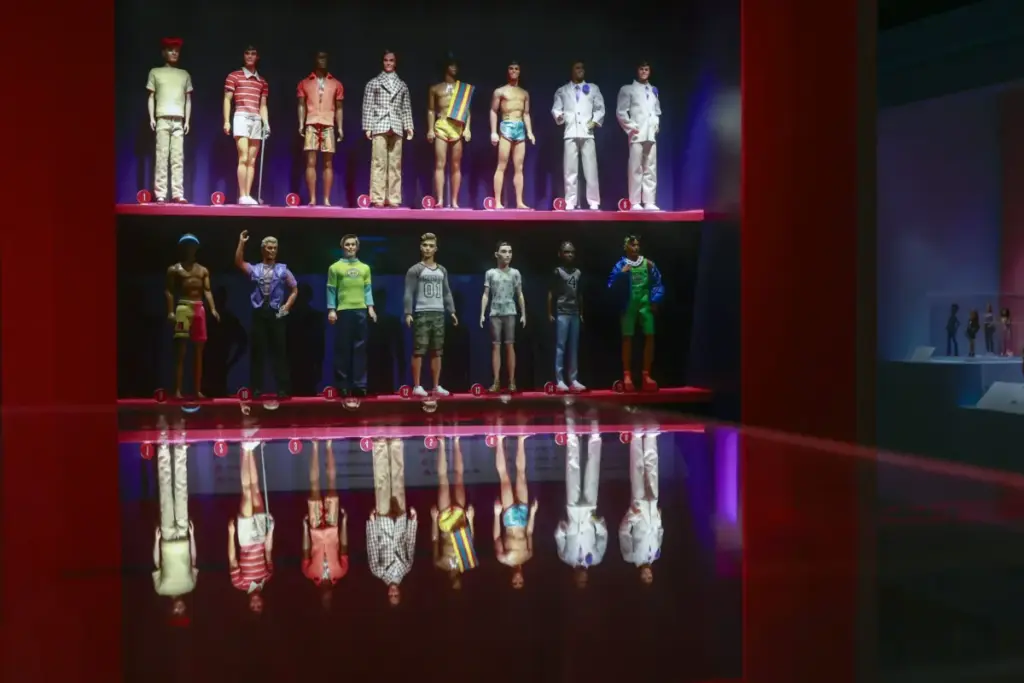
Kreiz’s reputation as a "bundle of energy," as described by industry peers, was forged during his tenure at Mattel, where he oversaw a radical transformation of the toy manufacturer into a multifaceted media powerhouse. Arriving in 2018, Kreiz recognized that Mattel’s extensive intellectual property (IP) library was being underutilized. Under his leadership, the company pivoted from a traditional manufacturing model to an entertainment-first strategy, centering its operations around flagship brands such as Barbie, Hot Wheels, and American Girl.
The core of this strategy was the creation of an in-house entertainment division, which aimed to capture a larger share of the value chain. By developing feature films based on established toys, Mattel sought to achieve a virtuous cycle: cinema-quality storytelling would drive audience engagement, which would subsequently accelerate physical retail sales. This strategy found its greatest success with the 2023 release of Greta Gerwig’s Barbie, which grossed over $1.4 billion globally and precipitated a 16 percent surge in doll sales in the following fiscal quarter.
Navigating Creative Risk and Corporate Culture
Kreiz’s tenure at Mattel was marked by a unique ability to balance corporate mandates with the creative idiosyncrasies of Hollywood. His support for the subversive elements within the Barbie screenplay—which included satirical depictions of the company’s own executive leadership—demonstrated a pragmatic understanding of brand equity. By permitting the film to lean into the joke, Kreiz successfully modernized the Barbie brand, transforming it from a static product into a cultural touchstone.
However, the path was not without challenges. While the cinematic strategy yielded hits, it also encountered failures, such as the lackluster performance of various planned adaptations and the critical reception of projects like the Matchbox film. These outcomes highlight the inherent volatility of the "IP-first" model, which Skydance will now have to navigate as it integrates its new holdings.
Chronology of Industry Consolidation
The current climate of media consolidation is the result of years of mounting pressure on traditional studios. The following timeline tracks the progression of these shifts:
- 2018: Ynon Kreiz joins Mattel as CEO, launching a pivot toward entertainment-focused growth.
- 2020-2022: The COVID-19 pandemic accelerates the decline of linear cable, forcing studios to prioritize direct-to-consumer streaming investments.
- July 2023: Barbie is released, coinciding with the onset of the WGA and SAG-AFTRA labor strikes, which halted production across the industry.
- 2025-2026: Mattel undergoes significant structural adjustments, including layoffs impacting nearly 300 employees at its El Segundo headquarters, as the company adjusts to post-strike economic realities.
- 2026: Skydance completes its integration phase, marking its public debut on the NYSE with Kreiz entering as a key leadership figure.
Financial Implications and Operational Realities
As Skydance moves forward, the market’s focus has turned to the $6 billion in synergies promised by the leadership team. While investors often view such figures as a roadmap for aggressive cost-cutting, Kreiz has been careful to frame the integration process with a emphasis on operational transparency. Speaking to CNBC’s David Faber on the floor of the NYSE, Kreiz stated, "When it comes to making those decisions, of course, we’re thinking of our people. We’re going to do it in the right way, respectfully, transparently, and communicate our plans."
Despite these assurances, industry analysts remain cautious regarding the scope of potential staff reductions. The entertainment sector is currently undergoing a "correction" phase, where studios are prioritizing profitability over the "growth at all costs" mentality that defined the streaming wars of the early 2020s. For Skydance, the challenge will be to streamline operations without stifling the creative pipeline that is essential for its long-term viability.
The Macro-Political Landscape
Beyond the fiscal pressures, leadership in the modern entertainment sector now requires navigating a complex and often polarized political environment. In 2025, several major studios, including Mattel, began to recalibrate their public-facing commitments regarding Diversity, Equity, and Inclusion (DEI). As federal scrutiny regarding corporate social initiatives increased, Mattel, like its peers in the Disney and Warner Bros. Discovery orbits, adjusted its disclosure practices. This trend toward "corporate neutrality" reflects a broader attempt by major media companies to minimize exposure to political volatility as they focus on core revenue generation.
Strategic Outlook: From Dolls to DC
Kreiz’s move to Skydance represents a transition from managing consumer goods-based IP to overseeing complex, multi-platform franchises. As a former chairman of Fox Kids Europe, Kreiz brings a global perspective to the role, which will be vital as Skydance manages the international distribution and licensing of its content.
Industry veterans suggest that his presence serves as a "stabilizing force" for the company. "There are some questions about David [Ellison] leading a company of that size," a former Warner Bros. executive noted. "Ynon is there to make investors feel better." This perception underscores the primary objective of his appointment: to professionalize the management of Skydance’s diverse assets and ensure that the company’s creative output is consistently backed by disciplined financial oversight.
Conclusion: A New Chapter for Skydance
The ceremony at the NYSE was more than a celebratory milestone; it was a public declaration of intent. As the bells rang in Lower Manhattan, the message to the market was clear: Skydance intends to operate with the same rigor and strategic focus that defined the "Mattel era" of the previous six years. Whether this approach can successfully scale within the high-stakes world of major film and television production remains the defining question for the company’s leadership.
As the industry continues to consolidate, the ability to balance the creative necessity of taking risks with the corporate imperative of fiscal responsibility will separate the survivors from those who struggle to adapt. With a portfolio that now spans significant backlots and franchise potential, the Skydance team, led by the partnership of Ellison and Kreiz, is positioning itself to be a central architect of the next decade of entertainment. The market’s response to their initial trading sessions suggests that investors are waiting to see if this energy can indeed translate into sustained, long-term shareholder value in an increasingly crowded and competitive marketplace.