The Javits Center in New York City is once again serving as the epicenter of popular culture this week as the annual New York Comic Con (NYCC) draws tens of thousands of attendees, ushering in a busy autumn season of entertainment releases, literary milestones, and media premieres.
Main Facts and Event Overview
New York Comic Con stands as one of the largest pop culture conventions in North America, consistently attracting over 200,000 visitors across its multi-day run. Established in 2006, the convention has evolved from a traditional comic book-centric gathering into a massive global showcase for television networks, film studios, and publishing houses. This year’s event features an expansive floor space packed with collectibles, exclusive merchandise, and panels hosted by major entertainment conglomerates.
Amid the excitement of the exhibition floor, public health experts and seasoned convention-goers frequently emphasize hygiene protocols to mitigate the rapid transmission of seasonal illnesses often colloquially referred to as "con crud." Organizers and veteran attendees advise strict separation between handling shared convention materials—such as vintage comic books, promotional swag, and display items—and consuming food or beverages. Industry veterans recommend utilizing touch-free dispensing methods for snacks to minimize direct physical contact with high-touch surfaces shared by hundreds of thousands of visitors.
While the Javits Center bustles with activity, audiences outside of New York face a comparatively subdued cinematic release schedule. Notable theatrical options this week include anniversary screenings of critically acclaimed features, alongside mid-tier psychological thrillers and genre films.
Literary Milestone: The Hobbit Illustrated by Tove Jansson Makes U.S. Debut
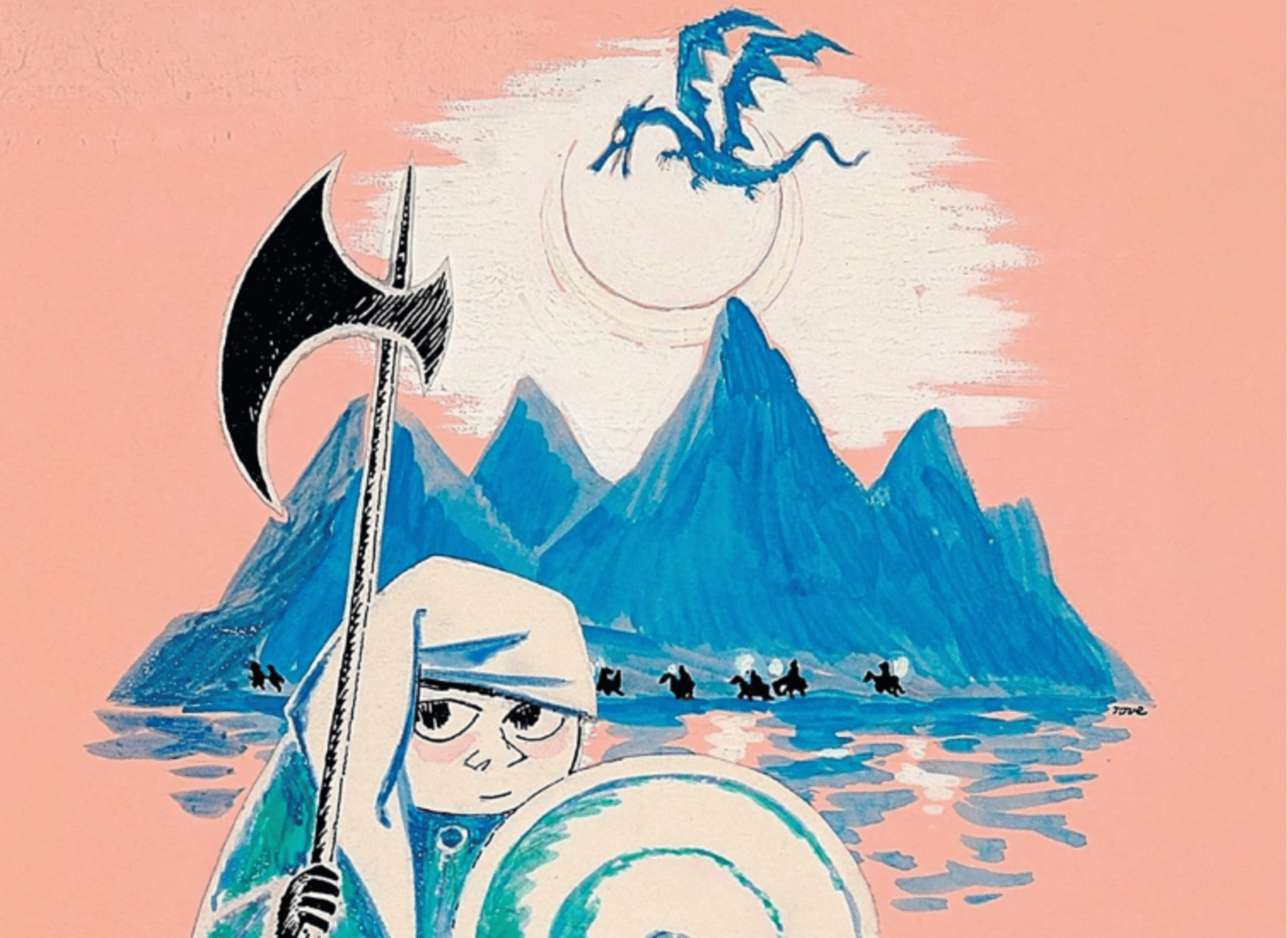
In the publishing sector, a significant transatlantic literary gap has finally been bridged. William Morrow has officially published The Hobbit: Illustrated by Tove Jansson, marking the first time the acclaimed Finnish artist’s distinctive interpretations of J.R.R. Tolkien’s classic fantasy masterpiece are widely available to consumers in the United States.
Background Context and Chronology
Tove Jansson, globally celebrated as the creator and illustrator of the beloved Moomin series, originally produced her illustrations for a Swedish-language edition of The Hobbit decades ago. The project’s inception dates back to correspondence from renowned Swedish author Astrid Lindgren, who served in a publishing capacity at Rabén & Sjögren. Recognizing the enduring cultural trajectory of Tolkien’s novel, Lindgren wrote to Jansson to commission the artwork, famously predicting that the text would become "the children’s book of the century" and persist long after its contemporaries.
While Finnish and Swedish readers have enjoyed Jansson’s unique artistic vision for generations, U.S. publishing rights and distribution hurdles kept the edition out of the American market until now. Jansson’s artistic style diverges significantly from Tolkien’s own conceptual sketches and standard high-fantasy imagery. Characterized by stark lines, minimalist yet expressive detailing, and whimsical interpretations of dragons and dwarves, her illustrations bring an idiosyncratic perspective that parallels her distinct Moomin aesthetic.
Television and Streaming Developments: Treasure Island and Below
Television schedules offer a mix of high-profile revivals and curious genre experiments. MGM+ has scheduled the premiere of its new adaptation of Treasure Island for Sunday, October 11th. The series boasts a prestigious cast featuring acclaimed actors David Oyelowo and Hayley Atwell.
However, industry analysts note that the series has experienced a remarkably quiet promotional rollout. The production enters a crowded marketplace for maritime adventure programming, arriving in the shadow of Starz’s critically acclaimed nautical drama Black Sails (2014–2017), which served as a narrative precursor to Robert Louis Stevenson’s source material. Despite maintaining a dedicated cult following, Black Sails is frequently cited by critics as an under-recognized achievement in television history, raising questions about how contemporary adaptations capture mainstream audiences. Furthermore, a separate feature film adaptation of Treasure Island helmed by director Ridley Scott is currently slated for release in 2027, indicating a renewed industry interest in the classic adventure narrative.
Simultaneously, Netflix has expanded its catalog with the supernatural mystery series Below, set in Newfoundland and starring Josh Hartnett and Mackenzie Davis. The production has generated a polarized critical response, with reviews ranging from enthusiastic endorsements by major trade publications to more modest assessments. The series blends localized folklore with atmospheric tension, inviting comparisons to classic procedural thrillers such as The X-Files.
Critical Essays and Analytical Media: We Radiant Things
The intersection of science fiction, cultural criticism, and personal essay writing is further illuminated this week with the publication of Franny Choi’s essay collection, We Radiant Things: Notes on Being Alien and Becoming Cyborg. Following the success of Choi’s 2019 poetry collection Soft Science, the new book opens with a critical examination of cinematic depictions of artificial intelligence, specifically Alex Garland’s 2014 feature Ex Machina.
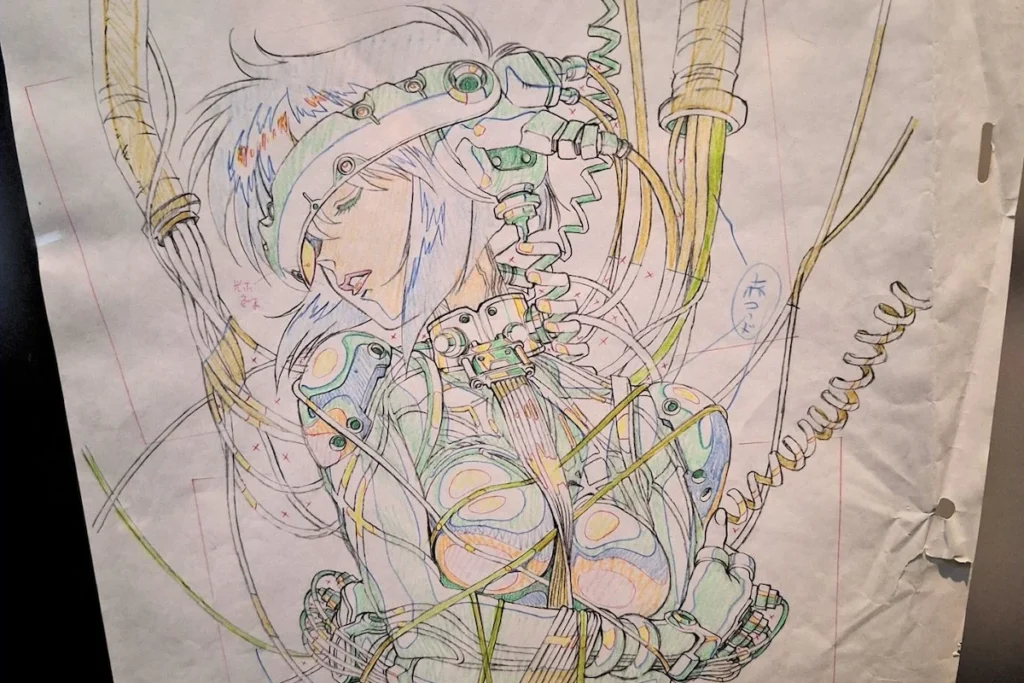
Choi’s methodology redefines contemporary media criticism by blending rigorous socio-political analysis of race, identity, and technology with a personal, lyrical voice. In the collection, Choi describes their approach to criticism as operating "tenderly, from stabbing range," a sentiment that sets the tone for subsequent chapters exploring foundational cyberpunk media, including Ghost in the Shell.
Broader Impact and Industry Implications
The convergence of high-profile convention events, long-delayed international publishing releases, and diverse streaming debuts highlights a transitional period for the entertainment and media industries. As physical fan gatherings continue to drive significant localized economies and fan engagement, publishing houses and streaming platforms increasingly rely on cross-media nostalgia and high-concept adaptations to capture fragmented consumer attention.
Market analysts observe that while established intellectual properties—such as Tolkien’s legendarium and classic adventure novels—remain foundational to media conglomerates, the inclusion of distinct artistic interpretations and critical essay collections demonstrates a growing appetite for specialized, niche storytelling. Whether through international literary translations, high-budget literary revivals, or provocative genre television, the current media landscape continues to expand its boundaries to meet diverse consumer demographics both inside and outside convention centers.