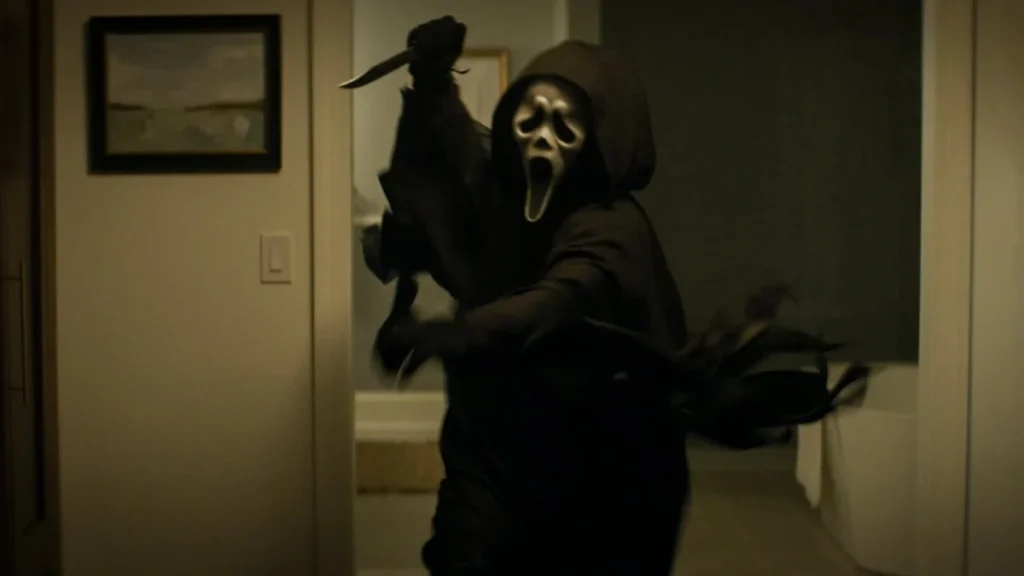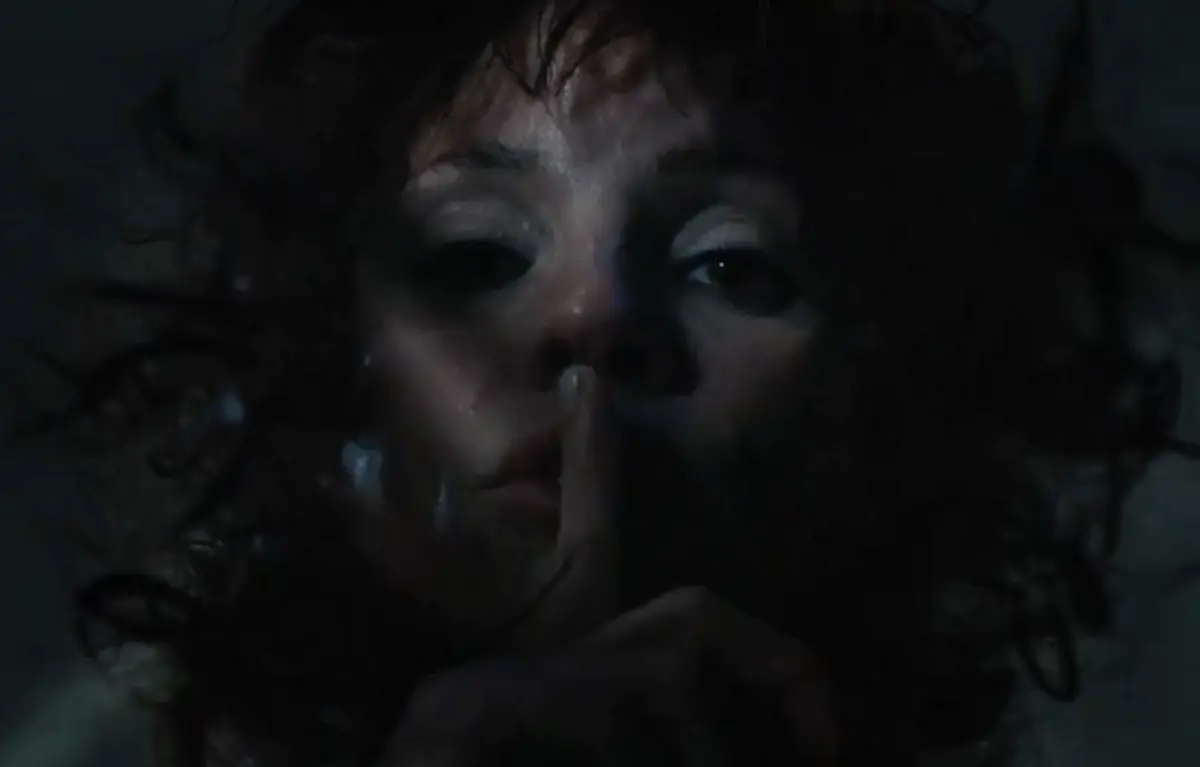
The horror landscape has been defined by a stark disconnect between promotional anticipation and audience reception following the release of Universal Pictures and Blumhouse-Atomic Monster’s latest collaboration, Other Mommy. Directed by Rob Savage, the film arrived in theaters this past weekend with a robust marketing campaign that successfully translated into a significant domestic opening, even as critical and audience consensus plummeted. Despite a $27.5 million domestic debut—a figure that comfortably surpasses the production’s reported $19 million budget—the film is currently grappling with a severe polarization among viewers, evidenced by a D+ CinemaScore and underwhelming metrics on major review aggregation platforms.
The Marketing Paradox and Box Office Performance
The promotional strategy for Other Mommy was meticulously crafted to maximize broad appeal. By emphasizing jump-scare-heavy sequences and leveraging the star power of Jessica Chastain, the studio positioned the project as an "event" horror film. Marketing materials, including television spots and viral social media clips, suggested a high-octane, accessible experience suitable for general audiences. This strategy effectively drove initial interest, with industry analysts initially projecting a domestic opening in the $30 million to $45 million range based on the high volume of trailer engagement and pre-sale activity.
Ultimately, the film reached the lower end of industry expectations, securing approximately $27.5 million in its first three days. While this represents a successful recovery of the production budget, the trajectory of the film’s box office performance is now under scrutiny. In the modern theatrical market, a low CinemaScore is frequently a harbinger of a steep "second-weekend drop," as negative word-of-mouth typically discourages casual moviegoers from purchasing tickets. Analysts now estimate that the film will likely conclude its domestic theatrical run in the $55 million to $60 million range, assuming a standard attrition rate for horror genre titles.
Chronology of Production and Release
The journey of Other Mommy to the screen has been marked by internal industry whispers regarding its development process. Sources close to the production have indicated that the film underwent extensive reshoots during its post-production phase. While the studio has not issued a formal statement regarding these adjustments, the final cut of the film displays structural inconsistencies that are characteristic of significant editorial changes.
The timeline of the film’s release followed a standard contemporary horror rollout:
- Initial Announcement: The collaboration between Blumhouse and Atomic Monster was touted as a cornerstone of their new partnership, promising a high-concept, creature-feature experience.
- Marketing Kickoff: The release of the first trailer successfully generated significant social media discourse, setting high expectations for the film’s visual effects and creature design.
- Theatrical Premiere: Following a widespread release, the film was met with immediate criticism regarding its narrative cohesion.
- Post-Release Reaction: By the first Saturday of its release, aggregators such as Rotten Tomatoes reflected a 20% critic approval rating and a 47% audience score, confirming a trend of unfavorable reception.
Critical Analysis of Narrative Structure
The primary criticism directed at Other Mommy centers on its uneven pacing and disjointed narrative. Observers have noted that the film’s first act demonstrates a high level of technical proficiency, featuring effective suspense building and strong creature design. However, as the plot progresses, the narrative cohesion appears to disintegrate, leading many to describe the film as a "Franken-movie"—a production that feels like a collection of disparate sequences rather than a unified story.

This structural failure may be the direct result of the aforementioned reshoots. When a production undergoes significant revisions, there is an inherent risk that the narrative "glue" holding the film together is compromised. In the case of Other Mommy, the shift from a high-tension opening to a repetitive and less focused conclusion has left audiences feeling that the film failed to capitalize on the promise established by its own marketing materials.
Audience Reception and Demographic Disparities
While the aggregate scores suggest widespread dissatisfaction, it is essential to note the existence of a demographic split in the reception of the film. During the opening weekend, anecdotal evidence from theaters indicated that younger audiences were more likely to find the film enjoyable and accessible, potentially reflecting a generational divide in what viewers expect from modern jump-scare cinema.
The D+ CinemaScore, however, represents the aggregate sentiment of a broader demographic, which heavily weights the opinion of general audiences who may have felt misled by the "scary-but-fun" tone of the trailers. This disparity highlights a recurring challenge for horror distributors: balancing the need for effective, high-energy marketing with the necessity of managing audience expectations regarding the actual content of the film.
Broader Implications for Blumhouse and Atomic Monster
The performance of Other Mommy serves as a case study for the current state of the horror genre within the studio system. Blumhouse and Atomic Monster, led by Jason Blum and James Wan respectively, remain the dominant forces in the industry, with a massive pipeline of upcoming projects recently showcased at New York Comic-Con. Their business model relies on the consistent delivery of mid-budget horror films that can achieve profitability through moderate opening weekends and sustained interest.
Despite the critical backlash, the film’s ability to secure $27.5 million in its opening weekend proves that the "brand" power of these studios remains potent. The audience’s willingness to show up for an original horror concept, even one that suffers from poor word-of-mouth, suggests that the genre maintains a level of resilience that other film categories currently lack.
However, the "Other Mommy" situation also underscores the risks of aggressive marketing campaigns. When a film’s promotional materials set a bar that the final product cannot meet, the resulting audience backlash can damage the long-term reputation of the creative team involved. For future releases, such as the upcoming The Exorcist: Martyrs, the studio will need to carefully calibrate its promotional approach to ensure that the actual tone and quality of the film are accurately reflected to the potential ticket-buying public.
Conclusion
Other Mommy stands as a complex example of the intersection between marketing efficacy and product quality. While the film succeeded in generating a profitable domestic debut, its inability to maintain narrative momentum and its subsequent reception among audiences and critics present a cautionary tale for the industry. As the film completes its theatrical run, its legacy will likely be defined by the gap between the high-octane promise of its trailers and the uneven reality of its final cut. Moving forward, the industry will undoubtedly continue to watch how studios navigate the delicate balance of creating hype while ensuring that the final cinematic product delivers on its stated, and implied, promises.