The highly anticipated sequel, The Devil Wears Prada 2, has premiered, inviting audiences to revisit the iconic world of high fashion and cutthroat journalism two decades after the original film captivated a generation. The release, marking the twentieth anniversary of the beloved 2006 hit, garnered significant attention, amassing an impressive $234 million from the global box office during its opening weekend. This robust performance underscores the enduring appeal of the franchise and the characters it introduced, particularly among the demographic who grew up alongside Andrea Sachs and Emily Charlton. The film, rated PG-13, navigates complex themes of professional ambition, the evolving media industry, and the enduring allure of glamour, albeit through a lens that often prioritizes fantasy over gritty realism.
The Return of Runway’s Protagonists and a Shifting Paradigm
The narrative thrust of The Devil Wears Prada 2 reintroduces Andrea Sachs (Anne Hathaway), now an accomplished investigative reporter who has returned to Runway magazine to lead its features department. Her journey reflects a common trajectory for many in the media world, moving from a demanding, entry-level position to a role of significant influence. However, the intervening twenty years have brought considerable change, both for the characters and the industry they inhabit. Critics have noted the remarkably preserved appearance of lead actress Anne Hathaway, sparking discussions on realism in contemporary cinema, particularly regarding the depiction of aging in a landscape where audience expectations for authenticity often clash with the entertainment industry’s pursuit of timeless glamour. This aesthetic choice, while perhaps a nod to the aspirational nature of the fashion world, contrasts sharply with the everyday realities faced by the film’s target audience, many of whom observe their own experiences with the passage of time.
A significant point of audience engagement, and indeed, celebration, arrived with the entrance of Emily (Emily Blunt), the former office "mean girl" who has ascended to a senior role at Dior. Her character’s evolution from a harried assistant to a powerful figure in the luxury fashion world provides a satisfying arc for long-time fans. The enthusiastic reception to Emily’s appearance within theaters highlights the deep connection audiences maintain with these characters, viewing them not merely as fictional constructs but as touchstones of a cultural moment. Stanley Tucci’s character, Nigel, also returns, though his once-sharp criticisms of Andy’s style now seem anachronistic given Andy’s contemporary fashion choices, signaling a broader shift in fashion sensibilities and character dynamics. The sequel, rather than focusing on individual antagonists or personal style critiques, positions its central conflict around systemic issues within the media industry, specifically the corporate consolidation and existential threats facing traditional publishing houses.
A Changing Media Landscape: The Core Conflict
At the heart of The Devil Wears Prada 2 lies a stark commentary on the precarious state of the media industry. The film pivots away from the personal challenges of navigating a demanding boss, as seen with Miranda Priestly in the original, to tackle the macro-economic forces reshaping journalism. The death of Elias-Clarke’s CEO, the parent company of Runway (a thinly veiled allusion to Condé Nast), introduces his tech billionaire son, portrayed by B. J. Novak. This new antagonist embodies the modern threat to traditional media: a drive towards profitability and digital optimization that often comes at the expense of substantive content and journalistic integrity. Novak’s character, depicted in a pragmatic half-zip, symbolizes a Silicon Valley ethos clashing with the creative, albeit commercially driven, world of high fashion publishing.
The plot unfolds as the tech mogul prepares to phase out "anything substantive" – essentially, the written word – from the magazine’s offerings. This narrative mirrors real-world trends where print publications have seen drastic reductions in editorial staff, page counts, and overall investment. The lament that "September issues are now as thin as a napkin" resonates deeply with journalists and readers alike, reflecting the tangible decline of what were once monumental showcases of fashion and culture. Andy Sachs articulates the film’s central critique, expressing her inability to accept the "sucking the soul out of everything, gutting it and then repackaging it." This sentiment echoes widespread concerns about the commodification of content, the erosion of editorial independence, and the relentless pursuit of engagement metrics over quality journalism.
Since the original film’s release in 2006, the media landscape has undergone a seismic transformation. The rise of social media, the proliferation of digital news outlets, and the decline in advertising revenue for print have forced traditional publishers to adapt or perish. Many iconic magazines have either ceased publication, moved exclusively online, or drastically reduced their physical footprint. The film effectively uses Elias-Clarke as a microcosm for this broader industry crisis, highlighting the tension between creative vision and corporate imperative. The discussion with Andy’s love interest, a real-estate contractor (Patrick Brammall), who posits that consolidation is happening across every industry, serves to underscore the pervasive nature of these economic pressures, extending the film’s commentary beyond just media to the broader capitalist ecosystem. This shift in thematic focus from personal ambition to industry-wide struggle offers a more mature, if somewhat simplified, reflection of contemporary challenges.
Nostalgia, Glamour, and the Allure of New York
Beyond its industry critique, The Devil Wears Prada 2 skillfully leverages nostalgia and aspirational glamour to engage its audience. The film, in many ways, serves as a love letter to the enduring fantasy it helped to cultivate. For a generation that came of age watching Andy navigate the demanding corridors of Runway, the sequel offers a chance to reconnect with a world that symbolized a particular vision of success and sophistication. The initial film, released when many in its current audience were impressionable nine-year-olds, directly fueled an obsession with high fashion and the allure of creative careers. Programs like America’s Next Top Model, Ugly Betty, and Project Runway further solidified these dreams, painting a picture of a glamorous industry where creativity and ambition could flourish.
A critical element of this dream, then and now, remains New York City. The film inundates the viewer with dizzying aerial shots of Manhattan, transitioning between scenes with cinematic postcards of the city’s iconic skyline and bustling streets. This visual emphasis reinforces the "New York or nowhere" myth, a concept deeply embedded in popular culture and particularly potent for those outside major metropolitan areas. For two girls from Seattle, as referenced in a personal reflection, New York was once a magical, faraway place, a necessary backdrop for a fabulous, important life beyond suburban norms. While the reality of living in New York today is often characterized by an affordability crisis and intense competition, the film artfully perpetuates this aspirational image. It understands and exploits the enduring desire for a life defined by skyscrapers and subways, positioning the city not just as a setting but as a character intrinsically linked to the pursuit of ambition and reinvention. The subtle integration of branded elements, from Diet Coke to Mrs. Meyer’s Clean Day Hand Soap, further blurs the line between narrative and commercial, suggesting a deliberate attempt to embed the aspirational lifestyle within recognizable consumer touchpoints, potentially expanding the list of "non-fashion spon-con" to include the city’s tourism board itself.

The Business of Blockbusters: Cameos and Commercialism
The Devil Wears Prada 2 is not shy about showcasing its opulence and connections. The film delights in a display of wealth, influence, and celebrity, extending its reach beyond New York to locations like Milan and Lake Como. This visual extravagance serves multiple purposes: it reinforces the aspirational fantasy, justifies the film’s substantial production budget, and, perhaps most importantly, signals its commercial viability and cultural cachet.
The sequel features an array of high-profile cameos that underscore its status as a significant cultural event. Appearances by figures such as Donatella Versace, the legendary fashion designer; Law Roach, the renowned celebrity stylist; Jenna Bush, a prominent media personality; Tina Brown, an iconic figure in magazine publishing; Kara Swisher, a leading tech journalist; and NBA star Karl-Anthony Towns, demonstrate the film’s broad appeal and its ability to attract cross-industry talent. These cameos are not merely decorative; they serve as nods to different facets of the film’s universe—fashion, media, and celebrity culture—lending an air of authenticity and prestige.
However, these elements also highlight a broader trend in contemporary filmmaking, particularly within legacy sequels: the strategic deployment of intellectual property (IP) as a commodity. The film’s celebration of its own "brags about IP" suggests a meta-commentary on the entertainment industry itself. While a young screenwriter might identify with Andy Sachs’s initial struggles, the ultimate control over her narrative, and the financial benefits derived from it, rest with large corporations like Disney (the studio behind the film). This subtly implies that true "survival" in the modern media landscape might not lie in traditional journalism but in the lucrative world of Hollywood, where rights and adaptations command significant financial value. Andy’s hypothetical $350,000 book deal, while substantial, pales in comparison to the potential earnings from intellectual property rights, suggesting a pragmatic, if somewhat cynical, view of where real power and money reside in the creative industries today. This commercial sensibility also manifests in the deliberate product placements, which are not just background details but integrated elements of the aspirational lifestyle portrayed, transforming the film into a visually stunning, hour-and-fifty-nine-minute-long commercial for a lifestyle, brands, and the very idea of a glamorous New York existence.
Critical Reception and Audience Engagement
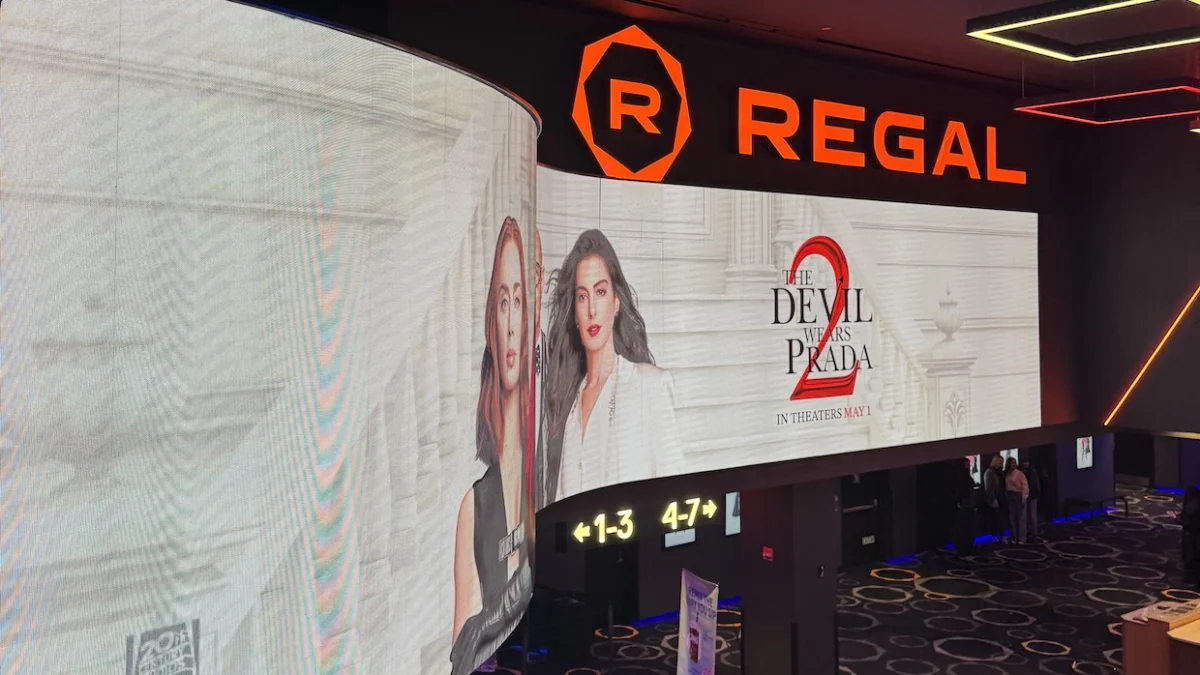
The initial critical reception of The Devil Wears Prada 2 has been a mix of nostalgic appreciation and nuanced critique. While the film’s ability to evoke emotion, particularly among long-time fans, is undeniable—manifesting in shared moments of tears and camaraderie in theaters—its narrative coherence and thematic depth have been points of discussion. The reviewer’s personal account of crying, attributing it partly to the Regal Premium Experience’s Immersive Audio & Visual technology and partly to sharing the moment with a lifelong friend, underscores the powerful role of communal viewing and personal history in shaping cinematic experiences. This emotional resonance is a testament to the original film’s lasting impact and the sequel’s successful tapping into that generational connection.
However, the narrative arc around "saving Runway" has been described as "confused and swirling," a simplified echo of more complex corporate dramas like Succession. The film’s attempts to weave in contemporary social commentary, such as "half-hearted jokes about woke," have been noted as less effective, potentially diluting its core message. The balance between fan service and a compelling new storyline remains a challenge for many legacy sequels, and The Devil Wears Prada 2 is no exception. While it successfully brings back beloved characters and revisits familiar settings, its attempt to tackle the intricacies of media consolidation and the future of journalism sometimes falls short of the nuanced character-driven conflict of its predecessor.
The film’s visual appeal, however, is largely lauded. The deliberate shift from sleek 4K aesthetics to documentary-style, lo-fi, handheld work at specific points aims to create an illusion of intimacy and realism, contrasting with the overarching glamour. This technique allows the film to momentarily break the fourth wall of its aspirational facade, grounding the narrative in moments of perceived authenticity. Yet, the underlying message about the intoxicating nature of glamour, the love for "beautiful things," and the temptation to hold onto that allure even while claiming a higher purpose (like "the future of journalism") is powerfully conveyed. This internal conflict, between the desire for glamour and the pursuit of journalistic integrity, becomes a central, albeit subtly explored, theme.
Broader Implications: Legacy Sequels and Industry Reflections
The Devil Wears Prada 2 arrives at a cultural moment saturated with legacy sequels and reboots, reflecting Hollywood’s increasing reliance on established intellectual property. This trend highlights both the commercial safety net provided by known franchises and the challenge of evolving narratives for an audience that has matured alongside the characters. The film serves as a poignant reflection for those who, like the original reviewer and her friend, saw The Devil Wears Prada as "core to what I thought it meant to be an adult woman." Now, as adult women navigating marriage and career promotions, the "fantasy version" presented in the sequel can be a harder pill to swallow.
The film’s exploration of ambition and work ethic also offers a significant commentary. While the original subtly questioned whether "work won’t love you back," the sequel appears "hellbent on arguing the opposite," celebrating the relentless pursuit of professional success. This perspective, cheering for characters to work until their "bodies reject the Botox," presents a challenging ideal in an era increasingly concerned with work-life balance and mental well-being. The reviewer’s personal reflection on loving writing despite the "current husk of a journalism industry and the scarcity mindset I live with" captures a sentiment prevalent among creative professionals: a deep passion for the craft amidst an increasingly challenging and financially precarious industry. The film’s resolution, with the arrival of a wealthy patron savior in the form of Lucy Liu, offers a somewhat simplistic and potentially problematic solution to systemic industry woes, suggesting that salvation for creative endeavors often comes from ultra-wealthy benefactors rather than fundamental structural change.
Ultimately, The Devil Wears Prada 2 is more than just a fashion-centric sequel; it is a cultural artifact reflecting two decades of change in media, fashion, and societal aspirations. While it delivers on the promise of glamour and nostalgia, its attempt to grapple with the complex realities of the modern media industry and the enduring allure of ambition leaves audiences with a mix of satisfaction, critique, and perhaps, a touch of mournful recognition for the dreams that fueled a generation.