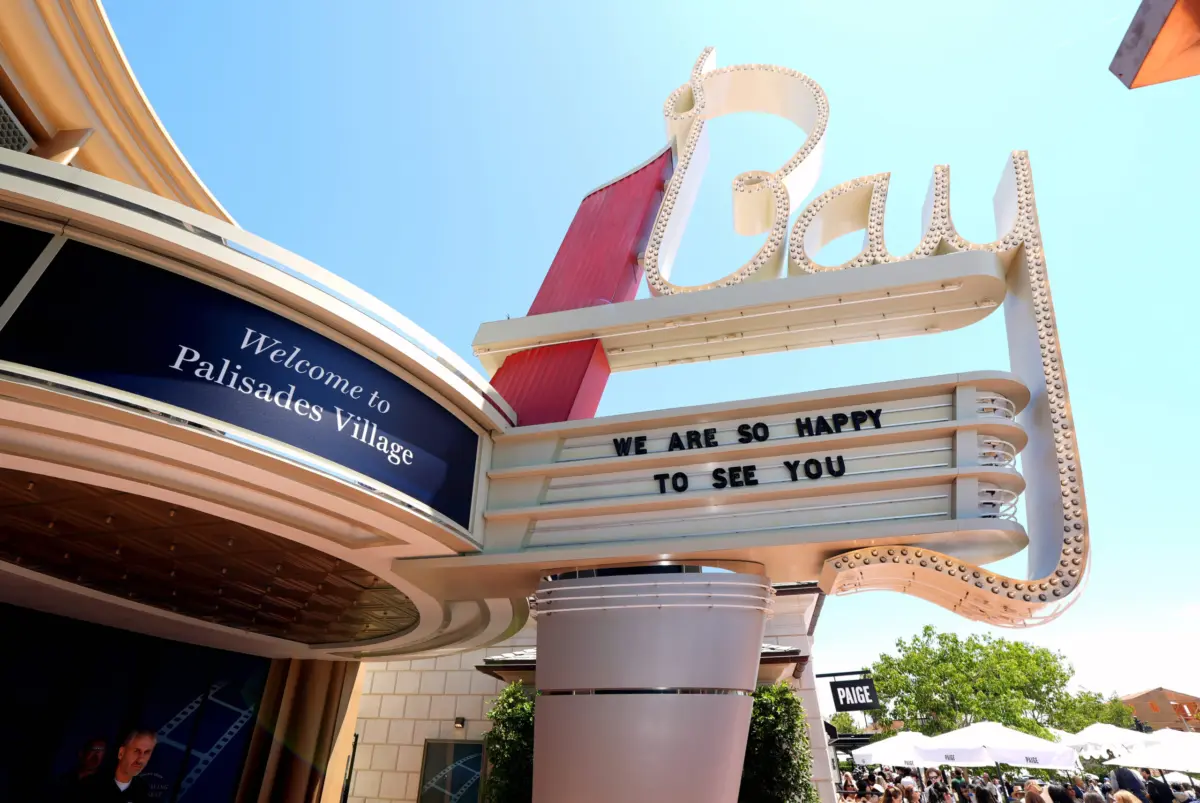
The cinematic landscape of Los Angeles is undergoing a profound transformation, characterized by the strategic revitalization of historic venues that once served as the cultural bedrock of their respective neighborhoods. In the latest development of this trend, Paramount Pictures and prominent real estate developer Rick Caruso have officially announced that they will take over the Bay Theater, the long-shuttered cinema located within the Palisades Village retail complex. This move marks the end of a period of uncertainty for the venue, which had previously been leased by Netflix but remained dormant following the devastating wildfires that swept through the region last year.
The reopening of the Bay Theater, slated for later this year, is more than a mere commercial real estate transaction; it is a signal of the resilience of the Pacific Palisades community. The theater will be operated by The Lot, an upscale luxury dine-in cinema chain, and is expected to feature a curated mix of first-run theatrical releases, classic film screenings, and experiential events designed to foster communal engagement.
A Chronology of the Bay Theater’s Transition
The history of the Bay Theater is deeply intertwined with the evolution of the Pacific Palisades. After serving as a cornerstone for local entertainment for decades, the theater was incorporated into the modern, open-air design of Palisades Village, a project spearheaded by Rick Caruso.
The timeline of the theater’s recent turbulence began with its high-profile lease to Netflix. The streaming giant intended to use the space as a flagship location for exclusive screenings and industry events. However, the operational model shifted significantly following the regional wildfires that necessitated the temporary closure of numerous businesses in the Pacific Palisades. While the surrounding retail district eventually resumed operations, the Bay Theater remained a dark silhouette within the bustling shopping center, serving as a point of contention for local residents who viewed the vacant space as a missed opportunity for cultural connection.
The shift in management to Paramount Pictures, facilitated by a partnership with developer Rick Caruso, represents a pivot back to traditional exhibition models that prioritize the “big screen” experience. The deal is expected to finalize a transition period that has lasted over twelve months, moving the venue from the hands of a digital-first distributor to a traditional studio entity committed to the theatrical window.
Market Context and the L.A. Cinema Resurgence
The decision to restore the Bay Theater is not an isolated incident but rather a significant entry in a broader narrative of architectural and cultural preservation currently unfolding across Los Angeles. In an era dominated by home-streaming consumption, the city is experiencing a counter-intuitive boom in the acquisition and renovation of legacy movie houses.
Data from the motion picture exhibition sector indicates that while national box office numbers continue to fluctuate, there is a distinct consumer appetite for "premium" cinema experiences. By integrating dining options with high-fidelity projection and sound, venues like The Lot are successfully positioning themselves as experiential destinations rather than simple screening rooms.
This movement is mirrored by several high-profile projects throughout the Greater Los Angeles area:

- The Cinerama Dome and ArcLight Hollywood: Sony Pictures has spearheaded a massive restoration project for these iconic locations, aiming to preserve their status as the premier exhibition sites in the industry.
- The Culver Theatre: Following an extensive refurbishment, this venue has been integrated into the Amazon/MGM studio ecosystem, serving as a hub for both public screenings and studio-led events.
- The Egyptian Theatre: Netflix’s acquisition and subsequent multi-million dollar restoration of this Hollywood landmark have set a high bar for what corporate stewardship of historic venues looks like.
- The Independent Revival: Beyond the major studios, private figures such as Quentin Tarantino (the Vista in Los Feliz), Jason Reitman (the Village in Westwood), and Kristen Stewart (the Highland Theatre) are investing personal capital and creative vision into saving theaters that were once on the brink of permanent closure.
Official Statements and Strategic Vision
The partnership between Paramount Pictures and Rick Caruso appears to be built on a shared philosophy regarding the importance of physical, shared spaces in an increasingly digital world. Skydance CEO David Ellison, who has been instrumental in the vision for the new Bay Theater, emphasized the sociological value of the venue in his official statement.
"Together with Caruso, we are proud to help bring the Bay back to life as a place for the Pacific Palisades community to gather around the shared experience of cinema," Ellison stated. "This theater has always meant more than movies alone—it’s woven into the fabric of this neighborhood, and helping restore it is a privilege."
Rick Caruso, whose portfolio includes some of the most successful retail and lifestyle destinations in the United States, underscored the strategic importance of the theater to the commercial viability of the wider Palisades Village. "The Bay has always been at the heart of the Palisades, and its return is one of the most meaningful signs yet that this community, following the reopening of the Palisades Village this summer, is coming back stronger than ever," Caruso noted. "David Ellison and I have a shared ambition to make it one of Los Angeles’ premier moviegoing destinations."
Implications for the Pacific Palisades
The revitalization of the Bay Theater carries significant economic and social implications for the Pacific Palisades. Commercial analysts suggest that the presence of an active, high-end cinema acts as a "magnet" for secondary traffic, benefiting surrounding retailers, restaurants, and cafes. By hosting "experiential activations"—similar to those seen at The Grove, another Caruso-developed property—the theater will likely serve as a venue for film festivals, premiere red-carpet events, and Q&A sessions with filmmakers.
This strategy effectively bridges the gap between the film industry and the local consumer. By bringing the "Hollywood" experience directly into a residential enclave, the studio is betting that the local audience is willing to pay a premium for access and atmosphere.
Analyzing the "Experiential" Model
The choice to bring in The Lot as the operator is a calculated business decision. Traditional multiplexes have struggled with declining attendance, but luxury, dine-in cinemas have shown a relative resilience to these market pressures. The model relies on higher per-ticket revenue and a significant food and beverage spend, which offsets the costs associated with maintaining a luxury facility.
Furthermore, by utilizing the space for "immersive theatrical moments," Paramount is likely attempting to create a testbed for innovative exhibition technologies. If the Bay Theater proves that a studio-operated, boutique venue can maintain consistent occupancy, it may establish a new template for how major studios manage their physical presence in local markets.
Future Outlook
As the project moves into the final stages of renovation, all eyes will be on the programming schedule. While the theater will screen major studio releases, industry experts are also watching to see how the space will incorporate independent and repertory content. The success of the venue will ultimately depend on its ability to strike a balance between being a "neighborhood" theater and a "destination" venue for cinephiles across the Westside.
The return of the Bay Theater serves as a microcosm of the current state of the film industry: a recognition that despite the technological advancements in home viewing, the collective experience of watching a film in a dedicated space remains a vital component of the cultural experience in Los Angeles. With the backing of Paramount, the expertise of The Lot, and the established footprint of Caruso’s Palisades Village, the theater is well-positioned to transition from a long-shuttered landmark to a vibrant hub for the next generation of moviegoers.