Production and Creative Pedigree
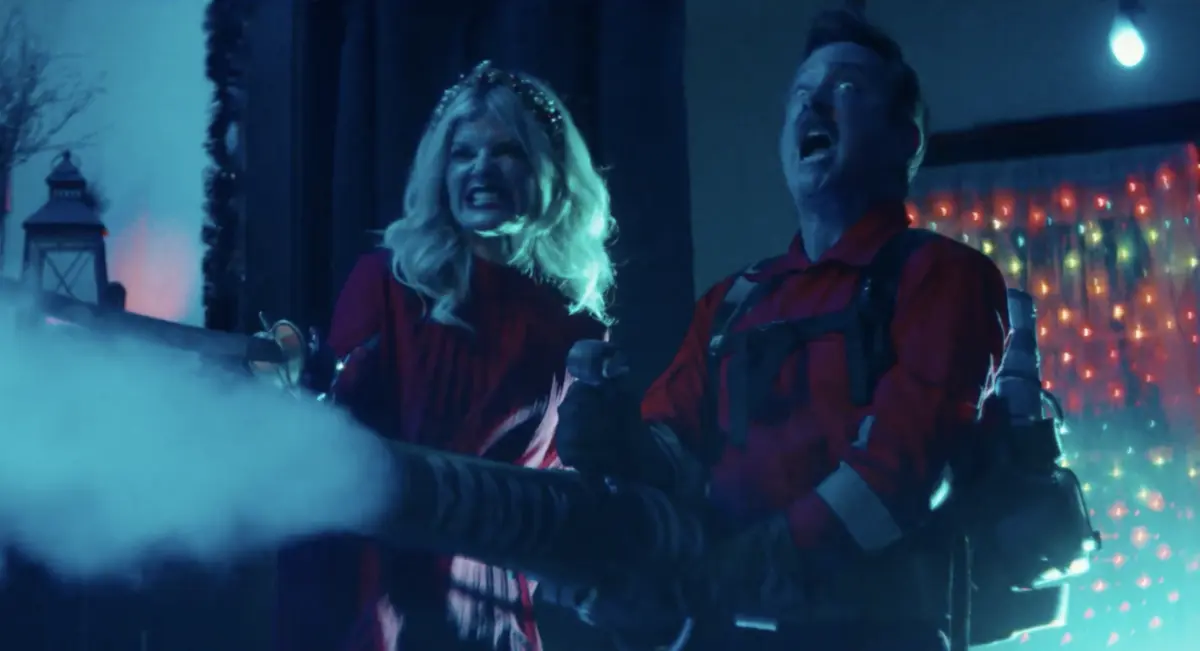
The project, scripted by Zack Imbrogno, who previously penned the horror-comedy Slayers, marks another entry in a growing trend of films that subvert wholesome, family-oriented holiday tropes. Kevin Lewis has developed a reputation for high-concept, elevated genre filmmaking that balances dark humor with practical effects. The production team, backed by Briarcliff Entertainment, has curated an ensemble cast that blends comedic veterans with established genre performers.
The cast features Thomas Lennon, whose history in horror-comedy includes the acclaimed Hell Baby, and Ron Livingston, known for his work in James Wan’s The Conjuring. They are joined by Rachel Bilson, Rob Riggle, Arden Myrin, Beverly D’Angelo, and Donald Faison. D’Angelo’s inclusion is particularly notable, given her iconic status in National Lampoon’s Christmas Vacation, a film that serves as a thematic foil to the dark, subversive nature of this new production.
Chronology and Development
The development of Christmas at the Kringles followed a strategic rollout designed to maximize its visibility during the peak horror season. Following the announcement of the production, industry analysts noted the aggressive scheduling of the film’s marketing campaign.
- Initial Concept and Casting: Production moved through the pre-production and filming phases throughout the early months of 2026, with the production team emphasizing the use of practical gore effects to ground the supernatural elements of the script.
- Trailer Release: In early October 2026, the official full-length trailer was released, providing audiences with their first substantive look at the film’s tone. The trailer highlighted sequences involving chainsaws, elaborate bondage motifs, and the macabre repurposing of holiday decor, specifically a severed head utilized as a Christmas tree ornament.
- MPA Rating Classification: On October 8, 2026, the MPA officially confirmed the R rating. The classification—citing "strong bloody violence, language, and some sexual material"—serves as a marketing milestone, signaling to the target audience that the film does not shy away from the graphic expectations of the subgenre.
- Theatrical Distribution: Briarcliff Entertainment scheduled the release for October 30, 2026. This timing allows the film to leverage the final days of the Halloween theatrical rush while simultaneously establishing a presence in the holiday movie market.
Narrative Framework
The film follows the Severson family, who relocate to a quiet suburban neighborhood only to find themselves living next door to the Kringles. The Kringles are portrayed as individuals who maintain an extreme, year-round commitment to Christmas, a premise that quickly descends into a psychological and physical battle for survival.
The plot centers on the father, Mark, who uncovers a clandestine effort by the Kringles to hypnotize and indoctrinate the local community. The ensuing conflict necessitates a violent intervention, with Mark forming an uneasy alliance with a rogue, non-traditional Santa Claus character to neutralize the threat. The narrative functions as a cautionary tale of suburban isolation and the weaponization of tradition, themes often explored in contemporary horror.
Industry Context and Genre Analysis
The horror-comedy genre has seen significant box office volatility in recent years. Films that successfully blend irony with genuine suspense often outperform those that lean too heavily into parody. By securing an R rating, Christmas at the Kringles distinguishes itself from PG-13 "holiday horror" offerings, which are often constrained by the need to reach a wider, younger demographic.
Market data suggests that horror films released in late October often benefit from the "Halloween effect," where audiences are primed for elevated genre content. However, by choosing an October 30 release date, the film is entering a crowded marketplace. The success of the film will likely hinge on its ability to maintain word-of-mouth momentum as it transitions from the Halloween holiday into the early weeks of November.

Broader Implications and Cultural Impact
The subversion of the "Christmas horror" trope has a long history, dating back to classics like Black Christmas (1974) and Silent Night, Deadly Night (1984). Christmas at the Kringles contributes to this legacy by updating the aesthetic for a modern audience, emphasizing the absurdity of consumerism and the performative nature of suburban perfection.
The involvement of a high-profile cast also indicates a shift in how horror-comedy is perceived by mainstream actors. Rather than being seen as a career risk, films like this are increasingly viewed as opportunities to showcase range and comedic timing within a heightened, high-stakes environment. The integration of Beverly D’Angelo, a figure synonymous with the traditional, wholesome family Christmas film, adds a layer of meta-commentary that critics will likely scrutinize upon the film’s release.
Anticipating the Audience Reception
While the film is currently in the final stages of its pre-release window, early audience sentiment—tracked through social media engagement following the trailer launch—has been largely positive among genre enthusiasts. The emphasis on practical effects, as seen in the promotional material, resonates with a segment of the horror fanbase that has grown weary of heavy CGI reliance in modern studio horror.
The logistical challenge for Briarcliff Entertainment will be the transition from the Halloween-themed marketing campaign to a holiday-centric one. As the calendar shifts from October to December, the film will need to maintain its visibility among audiences looking for seasonal entertainment that contrasts with the traditional slate of heartwarming holiday features.
Economic Factors in Distribution
Independent horror distribution has seen a resurgence in 2026, with mid-budget films finding success through targeted theatrical runs and subsequent digital release strategies. By partnering with Briarcliff Entertainment, the production team has opted for a traditional theatrical rollout, a decision that underscores the studio’s confidence in the film’s commercial viability.
The financial performance of Christmas at the Kringles will serve as a bellwether for the viability of R-rated horror-comedies during the tail end of the calendar year. If the film performs well against established Halloween holdovers, it could signal a trend toward more aggressive "genre-bending" release schedules, where films are no longer tethered strictly to the holiday they parody.
Conclusion
As the October 30 release date approaches, the industry remains focused on whether Christmas at the Kringles can effectively bridge the thematic divide between Halloween and the Christmas season. With a robust cast, a clear creative vision, and an MPA-confirmed R rating that promises an uncompromising experience, the film is set to become a focal point for horror fans as the year concludes. Whether it achieves the cult status of its predecessor projects remains to be seen, but the strategic positioning and creative commitment suggest that the Kringles are prepared to leave a lasting mark on the 2026 box office landscape.