Universal Pictures has officially confirmed that the long-anticipated fourth installment in its flagship action-adventure franchise will be titled The Mummy: The Book of the Dead. The announcement concludes years of speculation regarding the continuation of the beloved cinematic universe, establishing a definitive theatrical release date of October 15, 2027. This schedule places the upcoming blockbuster exactly one year from the date of the studio’s formal confirmation, signaling a major push by Universal to revitalize one of its most commercially successful modern intellectual properties.
While the studio’s initial press release was notably lean—omitting both a formal plot synopsis and promotional visual assets—the revealed title provides substantial insight into the creative direction of the project. The nomenclature marks a deliberate return to the classical Egyptian mythology that defined the critical and commercial success of the initial franchise entries, steering the narrative away from subsequent departures and positioning the new feature as a direct continuation of the established lore.
Chronology and Development of the Franchise
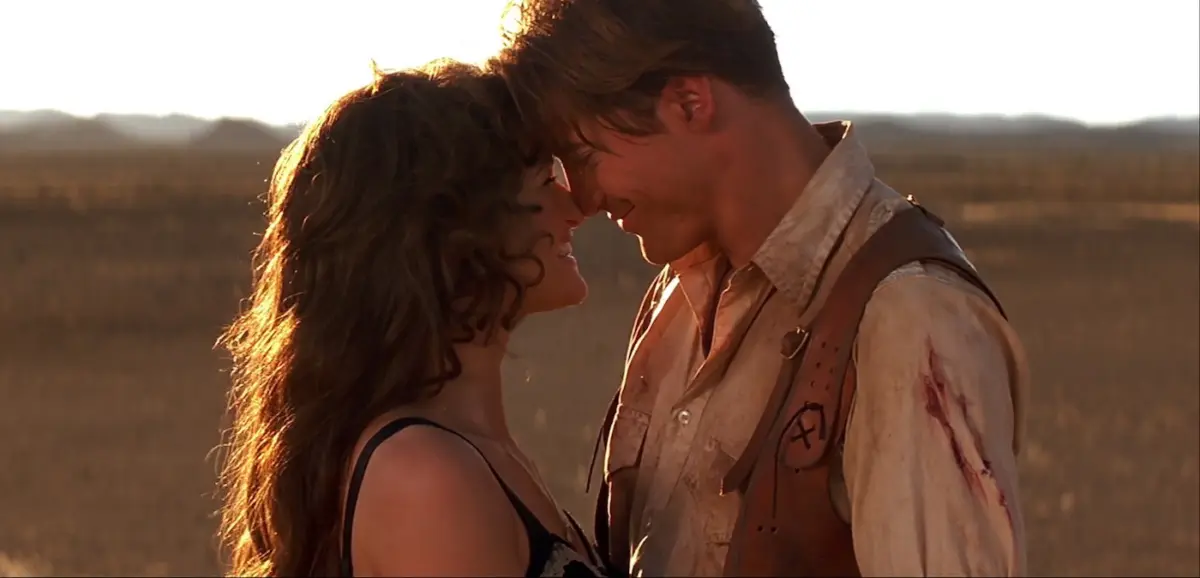
The trajectory of The Mummy franchise spans nearly three decades, beginning with the landmark 1999 release directed by Stephen Sommers. Starring Brendan Fraser as adventurous explorer Rick O’Connell and Rachel Weisz as brilliant Egyptologist Evelyn Carnahan, the original film brilliantly synthesized elements of 1930s pulp adventure with state-of-the-art computer-generated visual effects and classic horror tropes. The resulting feature grossed over $416 million worldwide against an estimated $80 million budget, establishing a lucrative blueprint for studio blockbusters at the turn of the millennium.
The immense popularity of the original necessitated a direct sequel, The Mummy Returns, released in May 2001. The follow-up expanded the narrative scope by introducing the Scorpion King—a role that launched actor Dwayne Johnson into global superstardom—and surpassed its predecessor at the box office by generating approximately $435 million globally. This success cemented Fraser and Weisz as preeminent action stars of the era, celebrated for their undeniable onscreen chemistry and the lighthearted, romantic banter that balanced the high-stakes supernatural peril.
Following a seven-year hiatus, the franchise underwent significant creative shifts with the 2008 release of The Mummy: Tomb of the Dragon Emperor. Directed by Rob Cohen, the third installment relocated the central conflict from North Africa to East Asia, incorporating Chinese mythology and the Terracotta Army. Notably, the production experienced a major casting change when Rachel Weisz declined to reprise her role as Evelyn, leading to the recasting of the character with actress Maria Bello. Released to mixed critical reception, the film grossed roughly $404 million worldwide. Although commercially viable, the film failed to capture the enthusiastic cultural reception of the first two pictures, prompting Universal to pause the mainline narrative indefinitely.
A subsequent attempt to reboot the property in 2017—starring Tom Cruise and intended to launch a sprawling cinematic universe known as the "Dark Universe"—diverged entirely from the tone of the O’Connell trilogy. Despite grossing over $409 million globally, the film underperformed domestically and faced harsh critical reviews, leading Universal to abandon plans for the interconnected monster universe and reevaluate its approach to legacy franchises.
Creative Leadership and Production Insights
The decision to greenlight The Mummy: The Book of the Dead reflects a strategic pivot toward nostalgia-driven studio filmmaking, capitalized by the enduring popularity of the original cast. Industry analysts note that the campaign for the fourth installment gained serious momentum following a widespread cultural reassessment of Brendan Fraser’s filmography, culminating in his Academy Award win and renewed global prominence.
Production duties for the upcoming sequel have been assigned to the directing duo Matt Bettinelli-Olpin and Tyler Gillett, professionally known as Radio Silence. The filmmakers have built a robust reputation within the modern horror and thriller genres, having directed the critically acclaimed horror-comedy Ready or Not (2019), installments in the long-running V/H/S anthology franchise, and the successful 2022 revival of Scream alongside its 2023 sequel, Scream VI.
The appointment of Bettinelli-Olpin and Gillett suggests an intentional blending of genres. While the original 1999 feature functioned primarily as an action-adventure spectacle, it relied heavily on genuine horror elements—including flesh-eating scarabs, mummification rituals, and the decaying visage of High Priest Imhotep—to create tension. Industry insiders suggest that the new directors intend to reintroduce these atmospheric horror undertones, marrying the suspenseful dread of the original film with the scale and pacing expected of contemporary blockbuster cinema.
Supporting Data and Market Implications
The announcement of The Mummy: The Book of the Dead arrives at a time when major studios are increasingly relying on established intellectual properties with built-in generational appeal. Franchises featuring legacy characters portrayed by original cast members have demonstrated significant financial resilience at the global box office, capitalizing on dual-demographic attendance patterns that attract both original fans and younger demographics.
Financially, the historical performance of the O’Connell-led trilogy highlights the robust baseline equity of the brand:
- The Mummy (1999): Budget: ~$80 million | Global Box Office: ~$416.5 million
- The Mummy Returns (2001): Budget: ~$98 million | Global Box Office: ~$435 million
- The Mummy: Tomb of the Dragon Emperor (2008): Budget: ~$145 million | Global Box Office: ~$404.3 million
Combined, the three films generated more than $1.25 billion in worldwide ticket sales without adjusting for inflation, positioning the property among Universal’s most reliable non-animated assets. Economic analysts project that the return of both Fraser and Weisz will significantly elevate audience anticipation, mitigating the financial risks typically associated with reviving dormant cinematic franchises.
Official Statements and Industry Response
Universal Pictures has maintained a measured communications strategy following the title and date reveal. In their brief official statement, studio executives emphasized the importance of honoring the tone that defined the original pictures while delivering a fresh narrative scope suitable for modern audiences.
Although official plot details remain under strict confidentiality, leaked production imagery circulating within the entertainment industry has offered early glimpses of the principal cast members on set. Observers have noted that the visual aesthetic of the production appears to lean into classic adventure motifs, evoking the timeless wardrobe and styling that characterized the late-1930s setting of the original films.
As principal photography progresses toward the scheduled October 15, 2027 theatrical release, industry stakeholders anticipate the release of promotional materials, including official character portraits and teaser trailers, which will provide further clarity on the narrative architecture of The Mummy: The Book of the Dead. Universal Pictures is expected to release additional production updates as the project moves through its principal phases of completion.