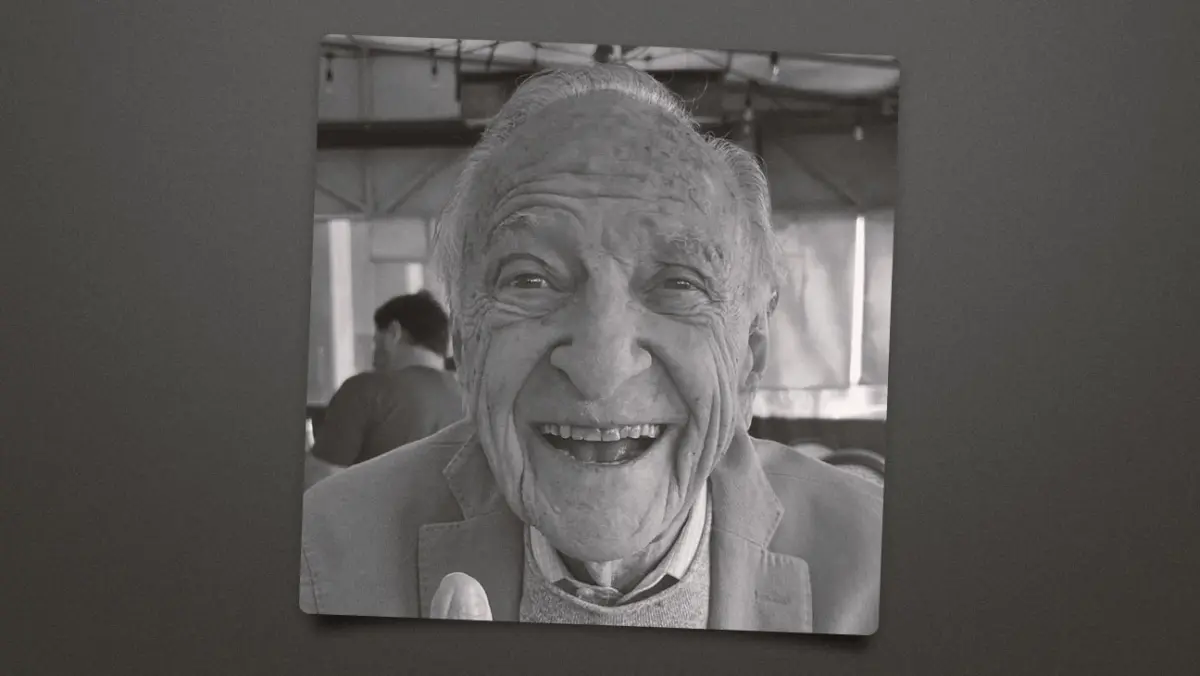
Gene Schwam, a titan of the public relations industry whose career spanned the golden age of Hollywood through the modern era of entertainment, has passed away at the age of 96. His death, which occurred in Los Angeles this past Friday following a brief illness, marks the end of an era for the profession of celebrity management. Schwam was not merely a publicist; he was a master architect of public perception, a confidant to stars, and a strategist whose methodologies fundamentally altered how talent was marketed and maintained in the spotlight for over half a century.
A Career Built on Strategy and Resilience
The trajectory of Schwam’s life reflects the quintessential mid-century American dream, defined by calculated risks and a relentless work ethic. In 1954, Schwam was an ambitious but under-compensated professional, laboring under the direction of fellow publicist Stanley Cowan for a modest weekly wage of $35. Recognizing that the traditional agency model of the time was limiting his potential, he opted for autonomy.
In 1955, in partnership with Adeline Hanson, he founded Hanson & Schwam Public Relations. This move was not simply an act of professional independence; it was a pivot that allowed him to curate a diverse and influential roster of clients. While the firm initially cut its teeth representing local restaurants and working musicians, it quickly pivoted toward the burgeoning entertainment industry, capitalizing on the post-war boom of television and the consolidation of the studio system.
The Chronology of Influence
The evolution of Hanson & Schwam serves as a historical barometer for the entertainment industry during the latter half of the 20th century. Throughout the 1960s and 1970s, the agency became a nexus for A-list talent. Their portfolio included legendary names such as Nancy Wilson and Lou Rawls, whose crossover appeal required the kind of sophisticated publicity maneuvers that Schwam pioneered.
The firm’s reach was not limited to individual stars; it also held significant sway over the nightlife and cultural landscape of Los Angeles. By managing the publicity for the legendary Cocoanut Grove nightclub, Schwam effectively controlled the narrative of where the "in crowd" spent their evenings, providing him with a unique lever of influence in the social hierarchy of Hollywood.
His client list read like a who’s who of entertainment royalty. From the dramatic depth of Judy Garland to the unparalleled musical influence of Elvis Presley, and from the wholesome charm of Julie Andrews to the comedic and dramatic versatility of Barbara Eden, Schwam navigated the diverse public needs of the world’s biggest stars. His relationship with director Blake Edwards was particularly notable; the two shared a professional and personal synergy that was so profound it served as the narrative inspiration for the publicist character featured in Edwards’ 1981 satirical masterpiece, S.O.B.
Philosophies of Success and the "Reverse Engineer" Method
In an interview with The Hollywood Reporter in 2021, Schwam offered a rare glimpse into the methodologies that sustained his longevity in an industry notorious for its volatility. His philosophy stood in stark contrast to the common perception of PR as a "who you know" business.
"There’s a mistake people make when they think it’s about who you know in Hollywood, but it isn’t about that—it’s about who knows you," Schwam stated. This distinction was central to his approach. Where others focused on networking for the sake of accumulation, Schwam focused on brand awareness and the curation of a client’s reputation.
His most distinct strategic advice was what he termed "beginning with the end of the game." This reverse-engineering approach involved identifying a specific, high-level goal—such as winning an Academy Award or securing a career-defining role—and working backward to map out the tactical steps required to achieve that result. This pragmatic, goal-oriented mindset moved public relations away from mere press releases and toward comprehensive long-term brand management.
Furthermore, Schwam emphasized the importance of the "referral" model in personal service businesses. He remained staunchly traditional in an increasingly digital age, favoring the power of organic professional recommendations over the ephemeral reach of social media or cold-calling. He believed that the integrity of the work itself was the only reliable currency for long-term growth.
Humanity 101 and the Legacy of Character
While Schwam was primarily known for his work in the cutthroat environment of Hollywood, his later years were dedicated to the promotion of empathy and social responsibility. He was the founder of "Humanity 101," a key initiative of Arizona State University’s Project Humanities. The project was designed to codify and promote values that are often overlooked in the entertainment industry, including compassion, integrity, forgiveness, and self-reflection.
This initiative served as an extension of his professional philosophy. Schwam believed that if one could manage the complex egos and volatile careers of Hollywood’s elite, one could also apply those same skills toward the improvement of human relations on a broader, societal scale. The transition from publicist to humanitarian was, for him, a natural evolution of his focus on the fundamental building blocks of human interaction.
Broader Impact and Industry Analysis
The loss of Gene Schwam represents a transition from a tactile, relationship-driven era of publicity to the data-driven, algorithmic reality of modern entertainment marketing. His career spanned the transition from the teletype and the telephone to the dawn of the internet, yet he maintained a consistent belief in the primacy of human connection.
From a market analysis perspective, Schwam’s longevity highlights the necessity of the "boutique" agency model. While the modern industry has trended toward massive, conglomerate-owned PR firms, the success of Hanson & Schwam suggests that the most effective publicists are those who operate with a deep, personal understanding of their clients’ long-term objectives.
Industry analysts often point to the stability of stars like Julie Andrews—who maintained a positive, highly consistent public image for decades—as a testament to the influence of effective, long-term PR management. Schwam’s ability to protect the reputations of his clients while navigating the immense pressures of the studio system provided a template for crisis management that many in the industry still emulate today.
A Legacy Left Behind
Schwam is survived by a family that reflects the stability he valued in his own life. He leaves behind his wife, Myrna Schwam, his daughter, Stephanie Schwam Adams, and his stepchildren, Adam, Greg, and Linda London. His legacy is also carried on by four grandchildren, who represent the next generation to inherit the cultural landscape he helped shape.
As the entertainment world reflects on his passing, the consensus among his peers is one of profound respect for a man who treated publicity as a craft rather than a commodity. He navigated the most intense pressures of the 20th century with a steady hand, a sharp mind, and a commitment to the idea that success is built on the strength of one’s reputation.
Gene Schwam’s life was a testament to the power of deliberate action and the enduring value of human empathy. Whether he was guiding a star through the chaos of a media frenzy or advocating for the principles of Humanity 101, he remained a consistent, stabilizing force. As Hollywood moves into an increasingly automated and digital future, the lessons provided by Schwam—that success is found in who knows you, and that the best way to win is to plan for the end at the beginning—remain as relevant today as they were when he opened his doors in 1955. His passing is a reminder that while stars may fade, the influence of the publicist who guided them is etched into the history of the industry itself.