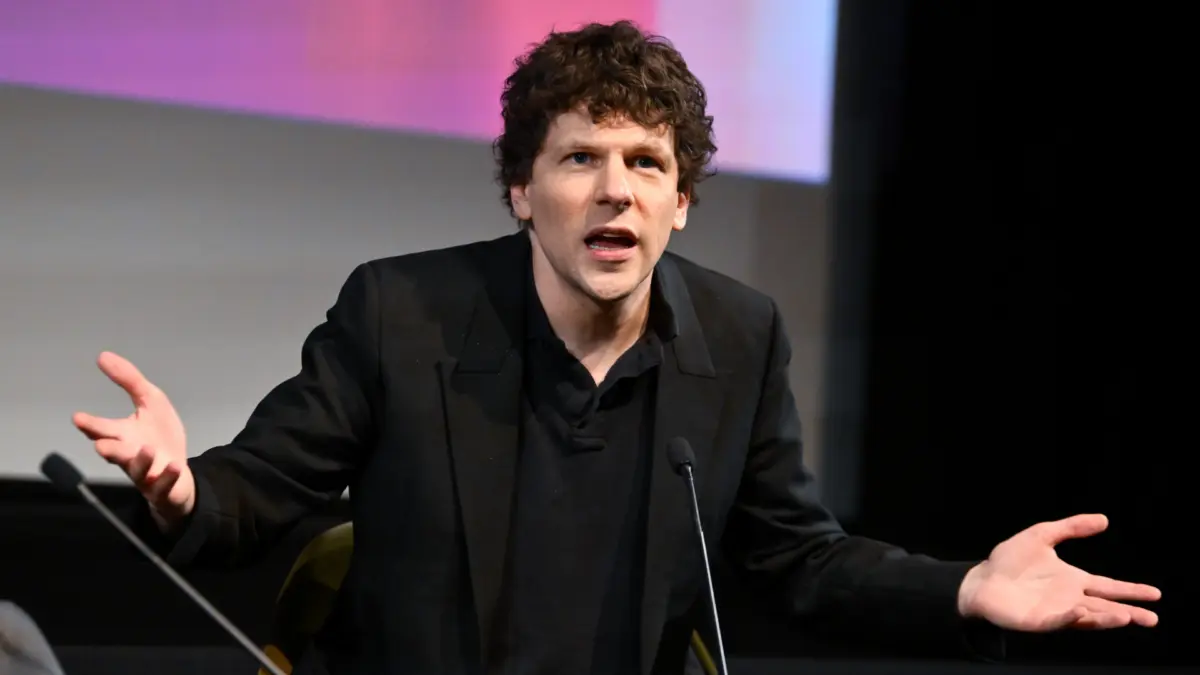
The BFI London Film Festival reached a climactic conclusion this past Sunday as Jesse Eisenberg, the multi-hyphenate actor, writer, and director, took the stage for a high-energy Screen Talk event. Ahead of the festival’s closing night screening of his latest directorial project, the musical comedy The Debut, Eisenberg engaged in a wide-ranging discussion that bridged the gap between his roots in community theater and his current status as an influential filmmaker. The event, which served as a centerpiece for the festival’s final day, offered attendees a rare, unvarnished look at the internal dynamics of modern independent filmmaking and the idiosyncratic nature of high-profile talent management.
A Career Defined by Creative Synthesis
Jesse Eisenberg’s career, spanning over two decades, has evolved from a prolific acting tenure—marked by iconic performances in David Fincher’s The Social Network, the Zombieland franchise, and Now You See Me—into a directorial trajectory defined by intimate, character-driven storytelling. His shift toward directing, specifically through the lens of projects produced by Emma Stone’s Fruit Tree banner, underscores a strategic pivot toward personal, nuanced narratives.
The London audience was treated to insights regarding his aesthetic philosophy, specifically his assertion that the discipline required for musical theater mirrors the physiological and technical rigor of professional athletes. By drawing parallels between the precision of the stage and the physicality of the NBA, Eisenberg underscored the immense, often overlooked labor that characterizes live performance. His commentary on the industry reflects a broader shift in Hollywood, where established performers are increasingly seeking autonomy through production, leveraging long-standing professional relationships to bypass traditional studio constraints.
The Logistics of Managing Creative Volatility
Perhaps the most compelling portion of the discussion concerned the production of the 2024 film A Real Pain. The film, which features Eisenberg and Kieran Culkin as Jewish-American cousins embarking on a heritage tour through Poland, garnered significant critical acclaim, including an Academy Award for Best Supporting Actor for Culkin.
Eisenberg’s account of the production process revealed the logistical hurdles of working with high-demand talent. The challenges were not merely scheduling conflicts but existential concerns regarding the presence of the lead actor. Culkin’s reputation for a mercurial approach to commitment—characterized by a casual disregard for conventional industry communication—forced Eisenberg to abandon his original, rigid directorial vision.
The chronological evolution of this collaboration is telling:
- Pre-Production: A period marked by failed attempts at traditional rehearsal. Eisenberg recounted a pivotal meeting at a diner, where his efforts to discuss the thematic weight of the Holocaust were superseded by Culkin’s domestic responsibilities.
- Production in Poland: The transition from a structured, mark-focused directorial approach to a reactive, "live-wire" style.
- The Pivot: Eisenberg’s realization that forcing Culkin onto specific marks stifled his performance. By allowing the camera to follow the actor, the film achieved the necessary spontaneity that ultimately defined the project’s emotional resonance.
This shift in methodology serves as a case study for modern directors managing "generational talent"—individuals whose performances are predicated on instinct rather than adherence to technical cues. The involvement of Emma Stone as a chaperone on the flight to Poland adds a layer of inter-personal infrastructure that is rarely acknowledged in official press cycles, highlighting the necessity of peer-to-peer support networks in maintaining production timelines.
The Evolution of the Fruit Tree Partnership
The ongoing professional symbiosis between Eisenberg and Emma Stone represents one of the most successful collaborative models in contemporary independent film. Having worked together on the 2009 film Zombieland, their relationship has matured into a producer-director partnership that has yielded three projects: When You Finish Saving the World (2022), A Real Pain (2024), and the upcoming The Debut (2026).
From an industrial perspective, this partnership is significant. Stone, leveraging her substantial influence as a two-time Academy Award winner, has provided the necessary capital and industry clout to shepherd Eisenberg’s vision to the screen. Eisenberg’s admission that he is the "beneficiary" of Stone’s industry power speaks to a changing landscape where actors of their caliber utilize personal capital to greenlight projects that might otherwise struggle to find funding in the current risk-averse climate of major studios.
Historical Context and Industry Pressures
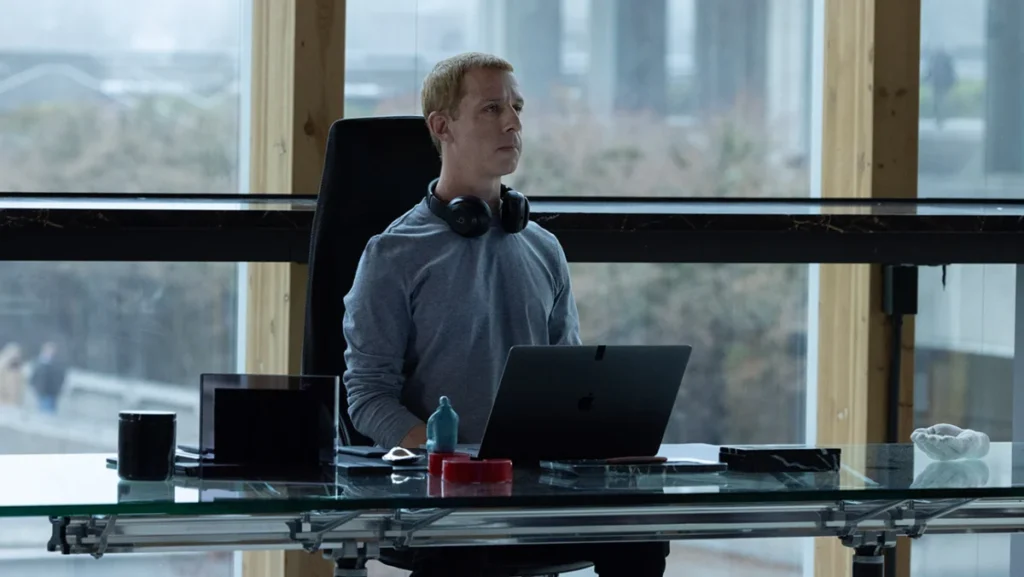
Eisenberg’s dialogue during the session also addressed the darker, more pressurized side of his early career. Reflecting on his work with David Fincher on The Social Network, he described an environment so intensely immersive that it induced chronic insomnia. The anecdote regarding his reliance on medical samples to combat sleep deprivation serves as a sobering reminder of the physical and psychological toll exacted by "prestige" filmmaking. Such stories, while presented with the levity of a seasoned storyteller, provide necessary context for the evolution of on-set health and safety standards.
Furthermore, his discussion regarding the influence of Woody Allen and the subsequent "triggering" nature of the topic showcased the modern actor’s heightened awareness of public perception. Eisenberg’s careful navigation of this territory—acknowledging his own artistic development while remaining sensitive to current cultural discourse—demonstrated a measured approach to the risks of public speaking in the age of digital scrutiny.
Broader Implications for Independent Cinema
The BFI London Film Festival event concluded with a glimpse into the future of Eisenberg’s career. His admission that he has authored a six-episode television series suggests a move toward the long-form narrative format, a trend common among directors seeking more room for character development.
The implications of Eisenberg’s career trajectory are twofold:
- Talent Agency: The shift toward director-led production companies is decentralizing power, moving it away from the traditional executive suite and into the hands of creative collectives.
- Narrative Authenticity: Eisenberg’s focus on Ashkenazi Jewish identity, and his discomfort with being labeled as a spokesperson for any singular culture, reflects the complexity of the modern creator. His emphasis on the "insider-outsider" dynamic is likely to remain a thematic pillar in his future works.
As the 70th BFI London Film Festival closes, the focus on Eisenberg’s work serves as a microcosm for the industry at large: a blend of high-stakes logistics, personal artistic evolution, and the constant navigation of cultural and professional pressures. Whether through the lens of a Polish heritage tour or the complex dynamics of a musical comedy, Eisenberg remains a quintessential example of the modern auteur who thrives in the intersection of intellectual rigor and the unpredictable reality of film production.
As the festival winds down, the film community is left to consider the weight of these creative partnerships. If Eisenberg’s trajectory with Stone is any indication, the future of the independent sector will continue to be driven by these long-term, high-trust alliances, proving that in an industry often defined by volatility, personal consistency remains the most valuable currency.