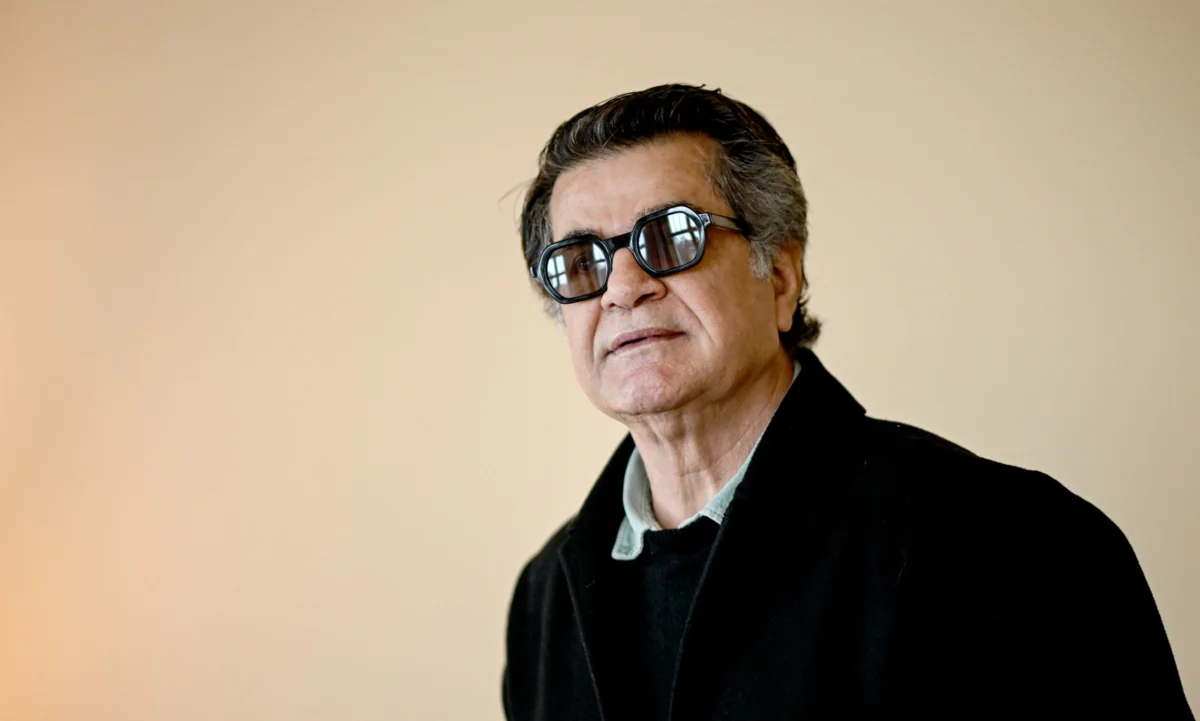
The Karlovy Vary International Film Festival (KVIFF), one of Europe’s oldest and most prestigious film events, expressed profound disappointment as celebrated Iranian filmmaker Jafar Panahi, an Oscar nominee and recipient of numerous international accolades, was effectively barred from attending its landmark 60th edition and 80th anniversary celebrations in the historic Czech spa town. Hopes of welcoming Panahi, a figure synonymous with cinematic defiance and artistic integrity, were dashed following an Iranian court’s decision in early June to uphold a previous verdict, sentencing him to one year in prison and imposing a two-year travel ban, alongside prohibitions on engaging with political and social groups. This latest setback represents another somber chapter in the acclaimed director’s long-standing struggle against state censorship and artistic repression within his home country.
Panahi’s anticipated presence at KVIFF was not merely as an honorary guest but as a crucial creative force behind Hijamat, a film competing for the festival’s coveted Crystal Globe. Hijamat, directed by Nader Saeivar and featuring an international cast including Kida Khodr Ramadan, Moritz Bleibtreu, and Nastassja Kinski, was produced and edited by Panahi, underscoring his deep involvement in contemporary Iranian cinema despite persistent state pressures. The film’s synopsis details a poignant narrative: Murad, a 50-year-old man, finds his life irrevocably altered upon discovering his younger brother is gay. His desire to support his brother clashes violently with the expectations of his traditional Muslim family, who maintain close ties to the local imam, creating a multi-faceted dilemma that explores themes of tradition, family honor, and individual freedom—themes often present in Panahi’s own work.
A History of Defiance: Jafar Panahi’s Enduring Struggle
Jafar Panahi’s legal troubles are not recent; they trace back over a decade, making his current predicament a continuation of a protracted battle for artistic and personal freedom. His initial arrest in 2010, alongside his wife and daughter, on charges of making "propaganda against the Islamic Republic," led to a six-year prison sentence and a 20-year ban on directing films, writing screenplays, traveling abroad, and speaking to the media. This draconian ruling sent shockwaves through the international film community, prompting widespread condemnation and solidarity from filmmakers, festivals, and human rights organizations globally.
Despite the severe restrictions, Panahi refused to be silenced. His subsequent films, crafted under conditions of house arrest and clandestine production, became powerful testaments to his indomitable spirit. Works like This Is Not a Film (2011), shot entirely within his Tehran apartment and smuggled to Cannes on a USB drive hidden inside a cake, and Taxi (2015), which won the Golden Bear at the Berlin International Film Festival, ingeniously circumvented the ban, transforming limitations into creative opportunities. These films, characterized by their meta-narratives and keen observations of Iranian society, solidified his reputation not just as a master filmmaker but as a courageous dissident. His 2018 film, 3 Faces, further explored the challenges faced by women in rural Iran and earned him the Best Screenplay award at Cannes.
The specific sentence upheld in early June stems from a 2022 arrest when Panahi went to inquire about the detention of fellow filmmakers Mohammad Rasoulof and Mostafa Aleahmad. He was subsequently arrested himself and ordered to serve the remainder of his original 2010 sentence. While he was temporarily released on bail in February 2023 following a hunger strike, the recent court decision reaffirms the state’s intent to enforce the previous verdict, effectively reinstating the prison term and the travel ban. This cyclical pattern of arrest, release, and renewed imposition of sentences highlights the precarious position of artists who dare to challenge official narratives in Iran.
KVIFF’s Connection and the Broader Context of Iranian Cinema
Karel Och, the artistic director of KVIFF, articulated the festival team’s deep sadness and unwavering admiration for Panahi. "We just can’t stop admiring this man, not just for his artistry, but also for his human approach and his courage, which is just jaw-dropping," Och told The Hollywood Reporter. He further explained the festival’s direct engagement with Panahi, noting their collaboration on the Czech release of his film It Was Just An Accident in January, which involved online interviews. This pre-existing relationship made Panahi a natural choice for an invitation to KVIFF, particularly given his "crucial involvement in Hijamat." The festival had planned for his attendance until the news of his passport being confiscated and the upheld sentence made it impossible.
KVIFF has long been a significant platform for Iranian cinema, demonstrating a consistent commitment to showcasing films that often navigate complex social and political landscapes. Och emphasized that Panahi’s situation is not isolated. The festival has a history of screening works by Iranian filmmakers who, despite knowing the severe potential consequences, exhibit remarkable fearlessness in addressing challenging topics. Last year, for instance, KVIFF awarded the Special Jury Prize to Soheil Beiraghi’s fourth feature, Bidad (Outcry), another film that delves into critical societal issues. In 2023, the festival also presented a retrospective dedicated to Iranian underground cinema, further cementing its role as a vital international venue for these voices.
This consistent support reflects KVIFF’s programming philosophy, which, according to Och, seeks out "the art of film, but also something with strong political commentary." He elaborated: "We would probably not screen a film which is just a statement, but we are always really happy and keen to support a good film which has a political tone and very clear political ideas." This nuanced approach ensures that films are selected not solely for their political messaging but for their artistic merit, with the political dimension enhancing, rather than overshadowing, the cinematic craft. This is particularly relevant for films like Hijamat, which tackle sensitive social issues through a compelling narrative.
The Global Impact and International Solidarity
The case of Jafar Panahi resonates far beyond the borders of Iran and the confines of film festivals. It serves as a stark reminder of the ongoing struggle for artistic freedom in many parts of the world. The international film community, including major festivals like Cannes, Berlin, and Venice, has repeatedly rallied in support of Panahi and other persecuted filmmakers. His various awards from these prestigious festivals are not just acknowledgments of his artistic genius but also acts of solidarity and defiance against censorship. The Palme d’Or he was awarded at Cannes 2025, mentioned in the original report, likely refers to a past or perhaps symbolic recognition, given his extensive accolades across the years. For instance, he won the Carrosse d’Or at Cannes in 2011, and 3 Faces won Best Screenplay there in 2018.
Human rights organizations, such as Amnesty International and Human Rights Watch, have consistently condemned the Iranian authorities’ treatment of Panahi, advocating for his unconditional release and the cessation of restrictions on his artistic expression. They view his case as emblematic of a broader crackdown on dissent and free speech in Iran, where artists, journalists, and activists frequently face arbitrary arrests, lengthy prison sentences, and travel bans for exercising their fundamental rights.
The implications of Panahi’s inability to travel are multi-faceted. For Panahi himself, it means continued isolation from his international peers and a further curtailment of his personal freedom, even as his spirit of resistance remains unbroken. For Iranian cinema, it sends a chilling message to other filmmakers, potentially fostering self-censorship and hindering the development of critical and independent voices. However, it also galvanizes international support, turning Panahi into a global symbol of artistic courage against oppression. For film festivals like KVIFF, it reinforces their crucial role not just as showcases for cinematic art but as sanctuaries and platforms for artists whose voices are otherwise suppressed. By continuing to program films by Panahi and other Iranian directors facing similar challenges, these festivals assert the universal value of free expression and artistic integrity.
Looking Ahead: The Enduring Spirit of Resistance
As KVIFF prepares to commemorate its significant anniversaries, the absence of Jafar Panahi will undoubtedly cast a long shadow, serving as a poignant reminder of the sacrifices many filmmakers make in pursuit of their art and truth. Yet, his story also embodies an unyielding spirit of resistance. His films, born out of adversity, continue to captivate audiences worldwide, challenging perceptions and fostering dialogue. The festival’s commitment to supporting artists who operate under such duress highlights the enduring power of cinema to transcend political barriers and champion human values.
The situation underscores a broader global conversation about the responsibility of cultural institutions in defending artistic freedom. By acknowledging and lamenting Panahi’s absence, KVIFF not only expresses solidarity with a persecuted artist but also reaffirms its dedication to principles that extend beyond mere entertainment. It is a declaration that art, particularly when it bravely confronts societal truths, is a fundamental human endeavor worthy of unwavering protection and celebration, regardless of the political obstacles it faces. The festival will proceed, but with a palpable sense of the defiant creativity that could not be physically present, yet remains powerfully felt through the works on screen.