The landscape of independent horror cinema continues to expand as Guilder Cinema Group formally debuts the final official trailer and theatrical rollout for the supernatural thriller You Can’t Leave. Written and directed by genre filmmaker Scott Windhauser, the feature-length production arrives in select United States theaters today, offering audiences a gritty, forest-based descent into paranormal terror. Eschewing the conventional festival circuit circuitous route—a strategy increasingly utilized by independent distributors seeking direct-to-market consumer engagement—the film seeks to capture the attention of horror enthusiasts looking for atmospheric suspense, demonic undertones, and psychological distress during the lucrative autumn viewing window.
Main Facts and Narrative Premise
You Can’t Leave centers on a harrowing search for truth that quickly devolves into a desperate fight for survival. The narrative follows a young man, portrayed by Spencer Boldman, who embarks on a relentless quest to uncover the mysterious circumstances behind his sister’s disappearance. This journey draws him and a close-knit group of friends—including characters played by Paola Andino, Taylor Murphy, Cameron Inman, and Thomas Bauer—deep into an isolated, foreboding wilderness.

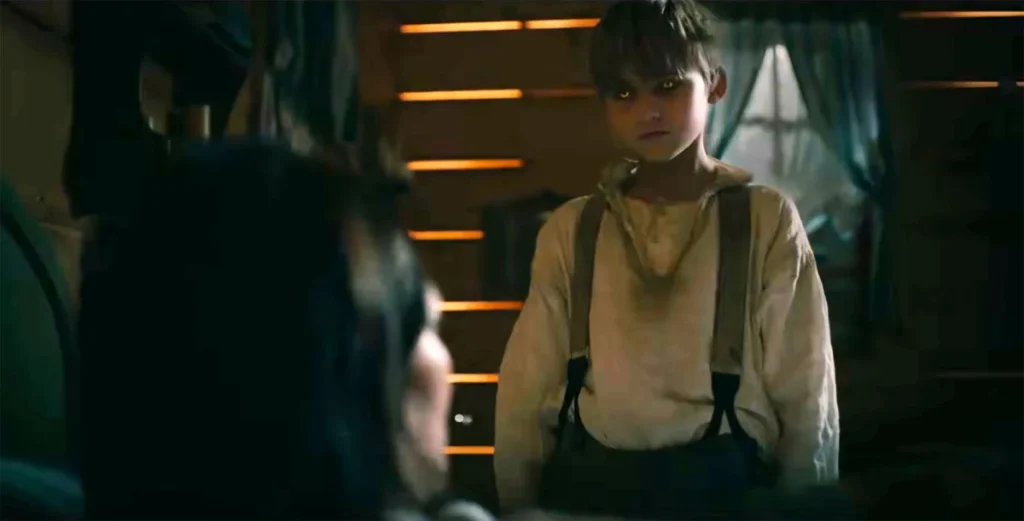
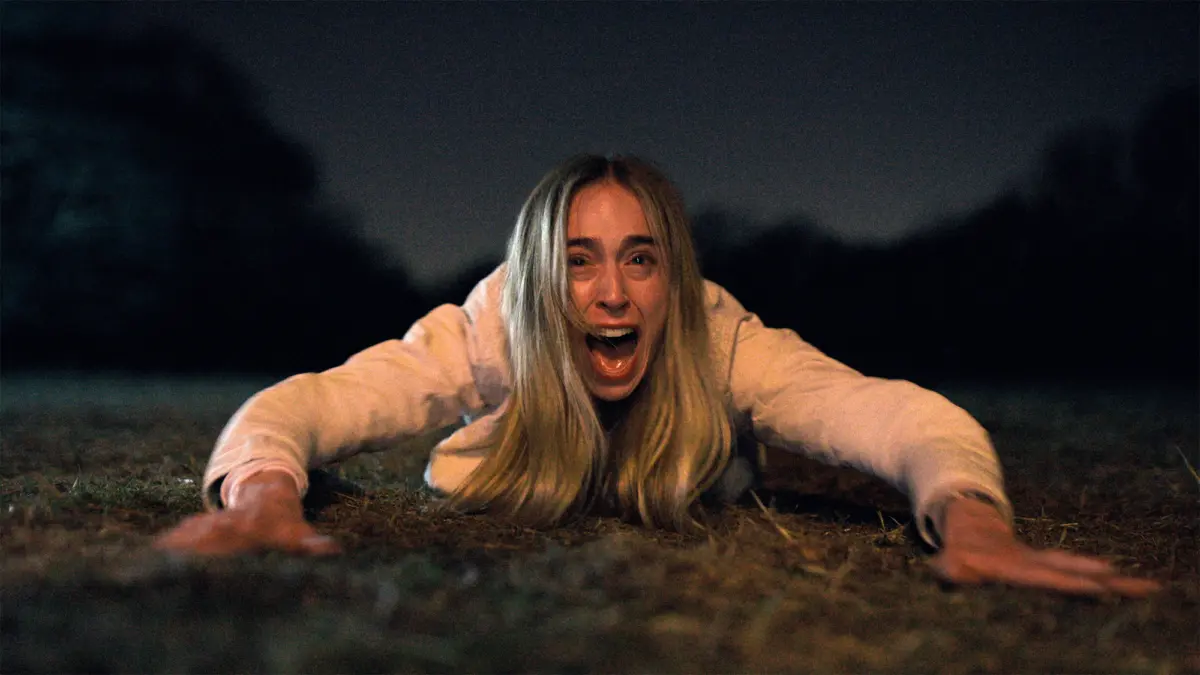
At the heart of the remote forest sits an abandoned cabin that acts as an anchor for an ancient, malevolent entity. As daylight fades and night takes hold, the group finds themselves trapped within a supernatural perimeter. Hunted by unseen shadowy entities and tormented by psychological distress, the characters must navigate physical danger and internal panic alike. The overarching rule established by the film’s marketing and narrative stakes is absolute: do not go outside after dark. Drawing clear thematic inspiration from classic cabin-in-the-woods tropes popularized by franchises like The Evil Dead, Windhauser’s latest directorial effort attempts to modernize these tropes with contemporary indie-thriller sensibilities.
Chronology and Distribution Strategy
The development and distribution path of You Can’t Leave reflects modern shifts in independent film financing and rollout strategies. Principal photography and production details were kept relatively quiet, managed by producers Gopal Bala, Robert Paschall Jr., Austin Taylor, and Northrup Loyd. Unlike high-profile prestige horror films that leverage major autumn genre festivals like Fantastic Fest or Beyond Fest to build early critical consensus, You Can’t Leave bypassed the traditional festival circuit entirely.
Instead, Guilder Cinema Group opted for a targeted theatrical release strategy, dropping the final official trailer and promotional poster assets concurrently with its opening day on October 16, 2026. This counter-programming approach relies heavily on digital platforms—specifically YouTube and specialized cinematic blogs—to drive immediate foot traffic to select theater locations across the United States. By utilizing a day-and-date style awareness campaign via social media and online trailer debuts, the studio aims to capture spontaneous ticket sales from horror fans actively seeking out paranormal and demonic thrillers on the big screen.

Supporting Data and Production Background
Director Scott Windhauser brings a diverse portfolio of past genre work to You Can’t Leave. Known within independent filmmaking circles for helming action and thriller features such as Dead Trigger, Cops and Robbers, Death in Texas, and Mafia Wars, Windhauser pivots back toward suspense and supernatural horror with this release. This background in fast-paced genre filmmaking informs the tight pacing and high-stakes tension evident in the newly released promotional footage.
The cast features a blend of recognizable young television and film talent. Spencer Boldman, known for his work in projects like Lab Rats and Cruise, anchors the emotional core of the film as the resolute brother seeking answers. Paola Andino, recognized for her starring role in Nickelodeon’s Every Witch Way, brings genre familiarity to her performance as Olivia. They are supported by Taylor Murphy, Cameron Inman, and Thomas Bauer, who round out the ensemble cast trapped within the forest’s supernatural boundaries.
The technical execution leans heavily on practical atmospheric dread, utilizing dim lighting, claustrophobic framing within the abandoned cabin, and sound design that accentuates the isolation of the woods. The marketing materials—including the official one-sheet poster featuring an ominous forest silhouette—reinforce the movie’s primary thesis of inescapable confinement.

Industry Implications and Market Analysis
The theatrical release of You Can’t Leave on October 16, 2026, highlights the ongoing viability of mid-tier independent horror films in the domestic theatrical marketplace. While major studio horror releases dominate multiplexes with massive marketing budgets, counter-programming titles distributed by specialized companies like Guilder Cinema Group continue to carve out a sustainable niche.
In recent years, theatrical exhibitors have increasingly welcomed lower-budget genre films to fill screens during slow periods or to satisfy dedicated demographic cohorts who prefer theatrical horror experiences over immediate streaming availability. Supernatural thrillers and demonic horror remain among the most reliable genres for theatrical retention, as audiences frequently favor the communal viewing experience of a dark theater for jump-scares and psychological tension.
By avoiding the substantial financial overhead associated with a major film festival run, the producers of You Can’t Leave have streamlined their path from production completion to consumer exhibition. Whether this grassroots, trailer-driven rollout can translate into sustained box office traction across select US markets remains to be seen, but it underscores a growing trend where indie genre distributors bypass traditional gatekeepers to connect directly with core horror fans online. As YouCan’t Leave officially opens in theaters, its performance will serve as another data point for the evolving economics of independent horror distribution in the mid-2020s.