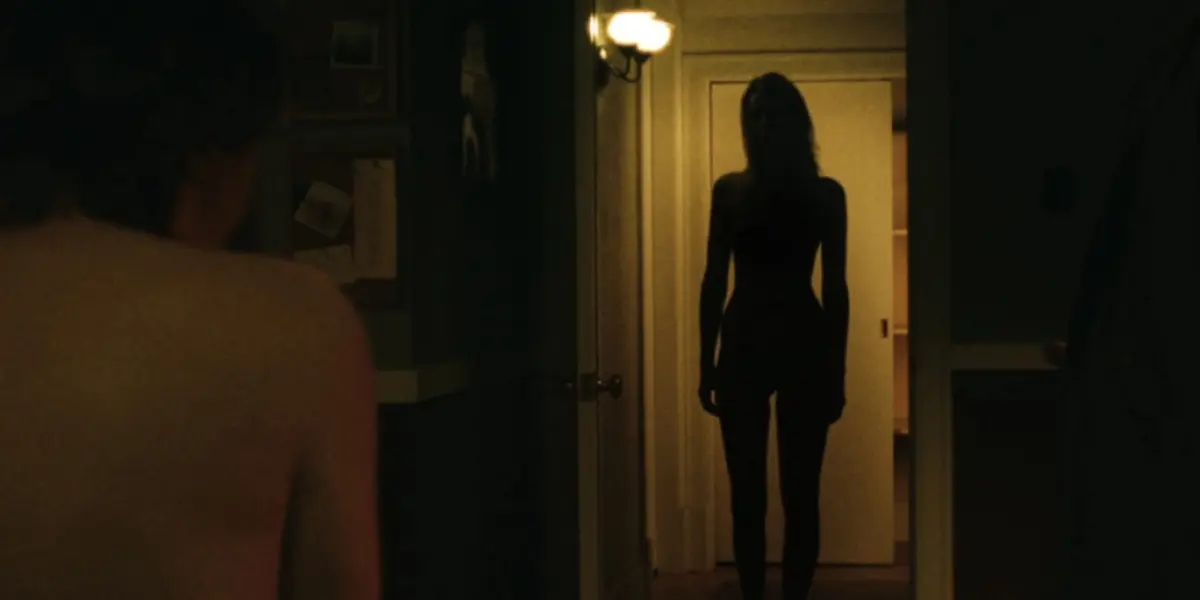
The psychological horror genre has long served as a theatrical crucible for uninhibited performances, allowing actors to subvert conventional dramatic boundaries in favor of heightened emotionality and transgressive characterizations. From Kathy Bates’ harrowing portrayal of a devoted yet unhinged literary fan in 1990’s Misery to Toni Collette’s grief-stricken matriarch in 2018’s Hereditary, cinema history is populated by formidable performances that anchor surreal narratives in visceral human truths. The latest addition to this elite pantheon arrives in the form of Dot-Marie Jones’ chillingly multifaceted portrayal in the 97-minute dark comedy thriller Breeder. Written and directed by Alex Goyette, the independent feature blends biting social satire with escalating dread, anchored by a stellar ensemble cast that includes Daniel Doheny, Maddie Phillips, Tanaya Beatty, and Paige McGarvin.
Synopsis and Premise: Desperation Meets Eccentricity
At its narrative core, Breeder explores the perilous intersection of financial desperation and unchecked eccentricity. Daniel Doheny stars as Russell, a deeply indebted college student and idealistic researcher struggling to secure financial backing for an ambitious bee sustainability project. Burdened by mounting student loan liabilities and pressured by his fiancée, Tanaya Beatty’s pragmatic character, to establish domestic stability, Russell finds himself trapped in a precarious economic reality.
Salvation appears to arrive from an unlikely source when Russell is contacted by Patti, an eccentric champion poodle breeder played with chilling precision by Dot-Marie Jones. Having encountered Russell’s funding appeal within a Mensa newsletter, Patti dangles the prospect of a blank check to finance his ecological research. Dismissing her unconventional demeanor—epitomized by an innocuous fanny pack that prompts Russell to remark, "She seems harmless"—the cash-strapped student travels to Patti’s isolated rural ranch.
Upon arrival, Russell is introduced to Patti’s hyper-compliant daughters, notably Ainsley (portrayed by Maddie Phillips), whose intense fascination with Russell’s scientific pursuits hints at underlying sinister intentions. However, Patti’s financial benevolence is contingent upon an ethically untenable favor—a proposition so shocking and morally compromised that it serves as the catalyst for the film’s descent into psychological warfare.
Character Dynamics and Psychological Realism
Despite the extreme nature of Patti’s proposition, Goyette’s screenplay invests considerable narrative effort in contextualizing Russell’s inability to immediately walk away. Rather than relying on traditional horror tropes where protagonists make illogical decisions, the film grounds Russell’s compliance in psychological realism.
Doheny portrays Russell not merely as a victim of circumstance, but as a product of hyper-socialization. Exhibiting a twitchy, nervous physicality and a penchant for defensive white lies, Russell represents the archetype of individuals conditioned to prioritize extreme amicability and conflict avoidance over self-preservation. His ingrained fear of appearing impolite renders him uniquely vulnerable to manipulation, transforming the narrative into a sobering cautionary tale about the dangers of favoring superficial cordiality over fundamental common sense.
Conversely, Jones’ Patti serves as the ideological antithesis to Russell’s sycophantic politeness. Channeling an unyielding, cold Objectivism, Patti has allowed her professional philosophy of canine purebreeding to consume her worldview, applying selective breeding ideologies to human interactions. Devoid of standard social niceties, Patti communicates with her daughters and guests much like an authoritarian trainer handling show dogs—issuing barked orders, withholding eye contact, and weaponizing an unsettling, high-pitched sing-song voice to disarm her victims. Jones navigates this erratic character with masterful control, shifting seamlessly from bone-chilling glares to disarming smiles without descending into cartoonish caricature.
Production Background and Directorial Vision
Helmed by filmmaker Alex Goyette, Breeder distinguishes itself within the contemporary horror landscape by eschewing conventional cheap thrills, such as sudden jump scares or gratuitous gore, in favor of a sustained, deeply unsettling atmosphere. The production leverages its remote setting to amplify feelings of claustrophobia and isolation, mirroring Russell’s psychological entrapment.
The project’s 97-minute runtime is meticulously paced to build tension through escalating discomfort rather than kinetic action sequences. By establishing Russell’s insurmountable debt early in the first act, Goyette frames the protagonist’s descent into the ranch’s horrors not as a sudden lapse in judgment, but as the cumulative result of systemic financial pressure meeting an unstoppable psychological force. The resulting narrative friction generates a distinct brand of dark comedy, prompting uneasy laughter from audiences as Russell’s polite refusals are systematically dismantled by Patti’s unapologetic bluntness.
Critical Reception and Audience Implications
Since its exhibition circuit debut, Breeder has drawn significant attention from critics and genre enthusiasts alike, primarily due to its willingness to provoke polarizing reactions. Industry analysts note that the film’s deliberate pacing and grotesque comedic undertones position it as a divisive viewing experience. While mainstream audiences accustomed to traditional cinematic structures may find the premise’s escalation challenging to reconcile, horror aficionados have lauded the film for pushing narrative boundaries and exploring the darker recesses of human compliance.
Industry commentators have universally praised Dot-Marie Jones’ performance as a career-defining turn that elevates the material far above standard genre fare. By crafting a villain who is simultaneously magnetic, unpredictable, and genuinely terrifying, Jones ensures that Breeder lingers in the psychological periphery of its viewers long after the credits roll.
Broader Cultural Impact and Genre Relevance
Breeder arrives at a time when audiences are increasingly receptive to horror narratives that utilize genre tropes to critique contemporary socio-economic anxieties. By anchoring its horror in the crushing reality of modern student debt and the relentless pressure to achieve financial solvency, the film reflects broader millennial and Generation Z anxieties. Russell’s willingness to entertain an ethically monstrous proposition in exchange for research funding serves as a dark commentary on the compromises forced upon young academics and professionals in an unforgiving economic climate.
Ultimately, Alex Goyette’s Breeder succeeds by challenging audience expectations, subverting tropes of victimhood, and providing a masterclass in tension-building. Supported by a stellar ensemble cast and anchored by a tour-de-force performance from Dot-Marie Jones, the film secures its place as a notable entry in modern psychological horror, proving that the most profound terrors often stem not from supernatural monsters, but from the weaponization of human politeness.