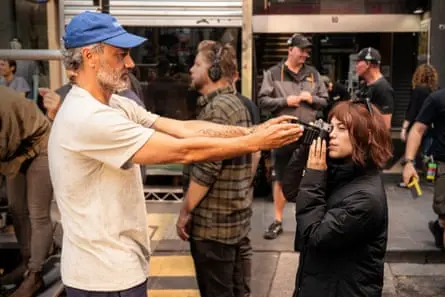
The intersection of literature, cinema, and artificial intelligence collided in London as director Taika Waititi and Nobel laureate Kazuo Ishiguro addressed the release of their cinematic adaptation of Klara and the Sun. The film, which premiered at the London Film Festival, has sparked a polarized critical response while resonating with younger audiences and technology sector analysts alike. Based on Ishiguro’s 2021 dystopian novel, the motion picture stars Jenna Ortega as Klara, an artificial intelligence designed to serve as a companion, alongside Mia Tharia as Josie, a 14-year-old dealing with a severe illness.
The project brings together two prominent figures from distinct creative backgrounds: Ishiguro, known for his restrained, poignant explorations of memory and isolation, and Waititi, an Academy Award-winning filmmaker recognized for his distinct blend of comedy and melancholy in works such as Jojo Rabbit and What We Do in the Shadows. Their collaboration on Klara and the Sun highlights ongoing debates surrounding the adaptation of literary properties, the evolving role of AI in contemporary society, and the enduring human preoccupation with mortality and loneliness.
Critical Divide and Audience Reception at the London Film Festival
The premiere of Klara and the Sun at the London Film Festival revealed a stark generational divide in cinematic interpretation. While older, established critics have raised objections to Waititi’s tonal choices—noting an infusion of slapstick, rapid-fire dialogue, and heightened comedic pacing—younger viewers and digital influencers have embraced the film as a festival standout.

This divergence underscores a broader philosophical question regarding adaptation theory. Ishiguro has consistently maintained that successful film adaptations must depart from their source material to achieve artistic independence. According to the author, strict fidelity to a text often stems from creative hesitation rather than loyalty. Waititi shares this perspective, comparing a literal adaptation to a musical cover featuring identical instrumentation. By injecting idiosyncratic humor and heightened stylistic flourishes into a narrative centered on artificial intelligence and terminal illness, the director aimed to produce an independent work of art rather than a literal transcription of the page.
Chronology of the Project and Production Background
The path from novel to screen began shortly after the publication of Klara and the Sun in February 2021. The novel received widespread critical acclaim, cementing Ishiguro’s status following his receipt of the Nobel Prize in Literature in 2017. Sony Pictures Entertainment subsequently secured the rights, bringing on Waititi to direct the feature-length adaptation.
Production utilized modern cinematic techniques to balance the pastoral isolation of the narrative with its futuristic sci-fi elements. The casting of Jenna Ortega as Klara positioned a prominent young actor at the center of a tragicomic framework, contrasting her sunny, artificial demeanor with the somber reality of Josie’s declining health. Throughout filming, Waititi sought to temper his instinctual comedic style with deeper emotional resonance, a creative evolution he attributes to his growing engagement with themes of family and aging.
Thematic Parallels: Loneliness, Grief, and Mortality
While Waititi’s filmography is frequently defined by vibrant satire, his projects routinely examine underlying currents of isolation and grief. From his 2010 feature Boy to the mockumentary What We Do in the Shadows, the director has explored how individuals cope with displacement and loss.

In Klara and the Sun, these themes manifest through the lens of a society utilizing advanced robotics to manage trauma. Artificial friends and bereavement dolls populate the background of the narrative, functioning as technological buffers against the finality of death. This premise reflects real-world advancements in generative AI and synthetic companionship, raising questions about emotional substitution and the malleability of human attachment.
Both creators noted that their collaborative efforts are fundamentally anchored in exploring the limits of human understanding. Ishiguro observed that the narrative addresses a core facet of the human condition: the intrinsic solitude that persists despite interpersonal connections, culminating in the individual experience of mortality.
Intersection with the Technology Sector and Ethical Frameworks
Beyond its reception in the arts, Klara and the Sun has unexpectedly entered public discourse surrounding the governance of artificial intelligence. Google DeepMind’s Vice President of Global Affairs, Tom Lue, previously cited Ishiguro’s novel as a potential ethical touchstone for guiding the development of human-centered frontier AI.
This unexpected integration into corporate and technological policy discussions highlights the growing influence of speculative fiction on real-world engineering ethics. As technology firms grapple with the societal implications of machine learning and autonomous systems, industry leaders have increasingly sought dialogue with creative writers to anticipate long-term cultural impacts.
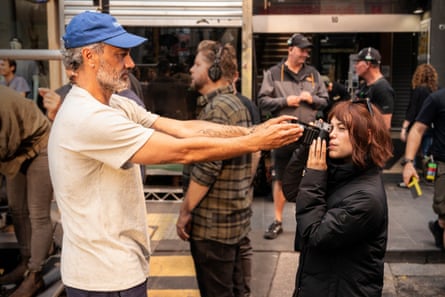
However, both Ishiguro and Waititi expressed reservations regarding the utilization of their story as a literal ethical framework for AI development. Ishiguro noted that while technology sector leaders are actively seeking conceptual guardrails and narrative scenarios to road-test societal impacts, literary fiction is primarily designed to explore emotional truths rather than provide regulatory guidelines. Waititi echoed this sentiment, suggesting that dystopian tropes from genre cinema offer more overt cautionary tales than nuanced literary examinations of companion technology.
Broader Implications for the Future of Adaptation and AI Discourse
The release of Klara and the Sun serves as a case study in the cross-pollination of literature, cinema, and technology policy. By challenging traditional expectations of literary translation, Waititi and Ishiguro have delivered a project that defies easy categorization. The starkly contrasting reactions from different audience demographics validate Ishiguro’s thesis that emotional and intellectual responses to art remain deeply individualized.
Simultaneously, the film’s inadvertent association with the AI safety debate demonstrates the capacity of modern storytelling to influence broader cultural conversations. As developers, ethicists, and artists continue to navigate the ethical frontiers of automation and synthetic consciousness, works like Klara and the Sun provide a reflective surface for society to examine its own relationship with technology, companionship, and the inevitability of loss.