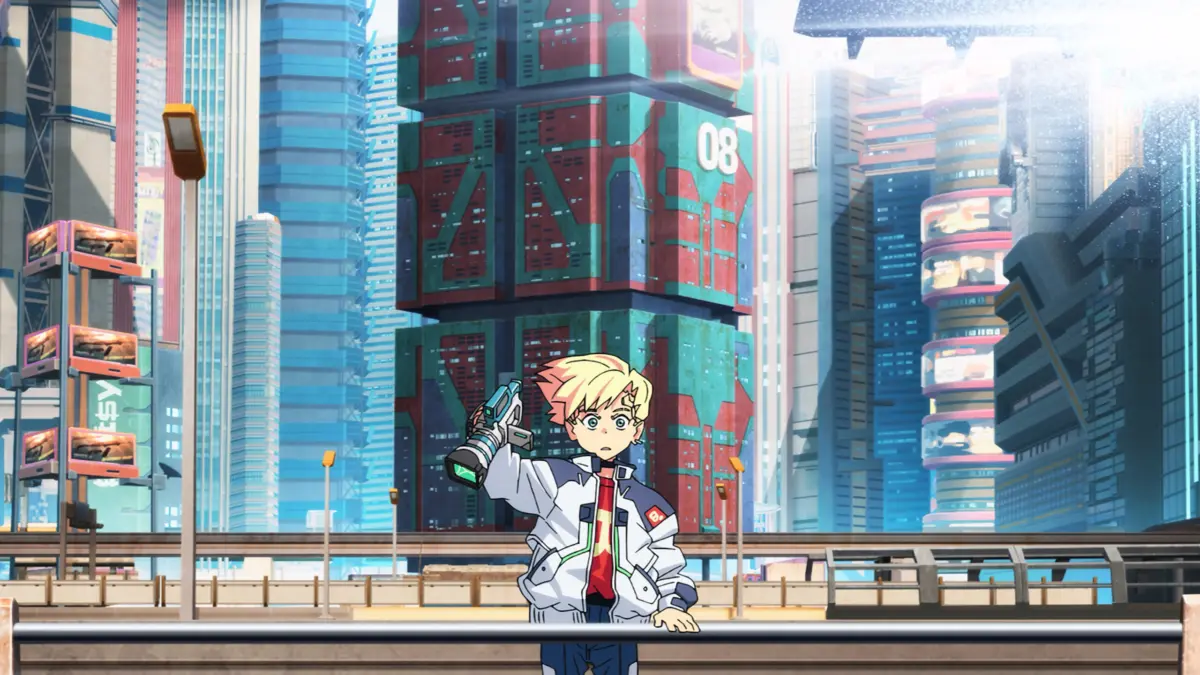
The premiere of Cyberpunk Edgerunners Season 2 on Netflix marked another milestone for the multimedia franchise built around CD Projekt Red’s acclaimed video game universe. Released on October 20, 2026, the second season followed the massive cultural and commercial success of its 2022 predecessor, which famously revitalized player engagement for Cyberpunk 2077 and accumulated 47.75 million viewing hours within its first four weeks on the streaming platform. Directed by Kai Ikarashi and spearheaded by returning showrunner Bartosz Sztybor, Season 2 shifted the narrative lens while retaining the unforgiving atmosphere of the techno-dystopian Night City. With complex multi-character arcs, deeply integrated lore from the source material, and a controversial ending that left fans dissecting every frame, the finale demands a thorough breakdown of its narrative mechanics, character fates, and broader implications for the franchise.
Main Facts and Narrative Setup of Season 2
Cyberpunk Edgerunners Season 2 introduces a fragmented narrative focusing on a new roster of characters operating in the shadows of Night City’s mega-corporations. Unlike the linear, tragic trajectory of David Martinez in the first season, Season 2 adopts a sprawling scope that examines themes of vengeance, corporate warfare, and the psychological toll of cybernetic enhancement.
At the center of the plot is Capri, a digital entity housed on a specialized data chip. When characters such as D—voiced by Koki Uchiyama in Japanese and Nazeeh Tarsha in English—and Talia Yang (Kimoy Lee) interface with the chip, Capri manifests in their consciousness. It is revealed that Capri is not a singular artificial intelligence, but rather a complex amalgamation of multiple human engrams. This digital construct functions as an experimental AI superweapon commissioned by the Kang Tao corporation, engineered to rival the oppressive data-storage and consciousness-transfer technologies pioneered by Arasaka.
The narrative collision between corporate espionage, personal vendettas, and cybernetic deterioration drives the eight-episode run. As D, Talia, and their associates find themselves targeted by Arasaka due to their unusually high tolerance for cyberware, the lines between human identity and digital puppetry begin to blur entirely.
Chronology of Development and Release
The path to Cyberpunk Edgerunners Season 2 spans several years of strategic planning between Netflix and developer CD Projekt Red:
September 2024: Netflix officially teases a return to the universe of Night City during a global showcase, generating widespread speculation regarding the format and focus of the project.
July 2025: The project is formally announced as Cyberpunk: Edgerunners 2 during a dedicated panel at Anime Expo 2025, where key production details, including the return of showrunner Bartosz Sztybor, are confirmed.
October 20, 2026: Season 2 drops globally on Netflix, accompanied by critical acclaim—including a five-star review from industry publications—praising its expansion of the lore and emotional weight.
Late October 2026: Showrunner Bartosz Sztybor and members of the voice cast conduct post-finale interviews clarifying the fates of the main characters and addressing the potential for a third season.
Deep Dive: The Soulkiller Connection and Lore Integration
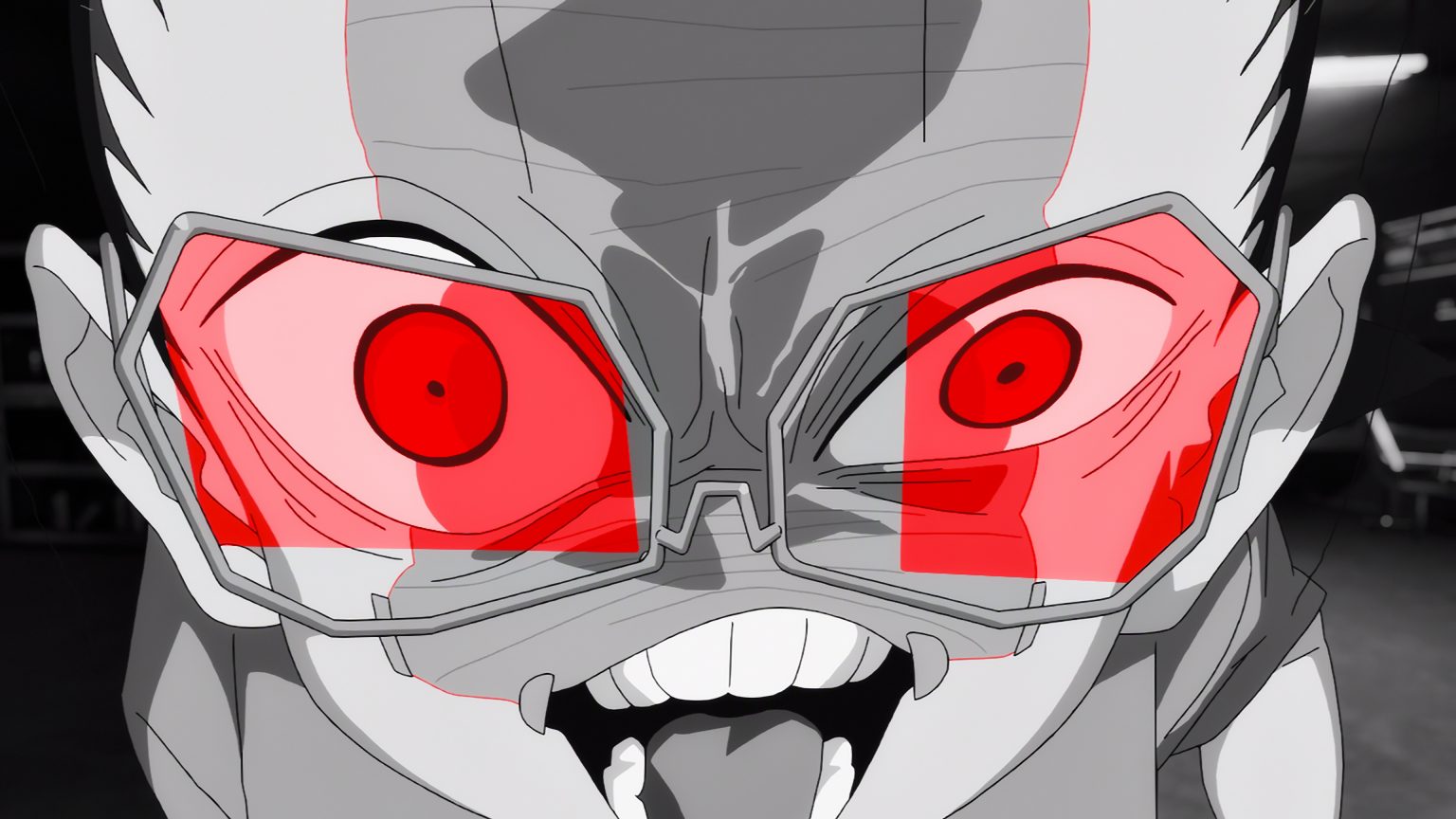
One of the most significant analytical elements of Season 2 is its explicit integration of core lore from the Cyberpunk 2077 video game, specifically the infamous Soulkiller program. Originally designed by Alt Cunningham and weaponized by Arasaka, Soulkiller serves as a mechanism to digitally capture and store a human consciousness, effectively terminating the biological host while preserving the engram for corporate exploitation or digital imprisonment.
In Season 2, the Capri program acts as a spiritual and technological successor to Soulkiller’s underlying principles. By fusing multiple engrams into a single systemic weapon, Kang Tao sought to bypass traditional limitations of netrunning and physical combat. For fans of the franchise, this plot device provides a compelling thematic parallel to the protagonist V’s journey in Cyberpunk 2077, bridging the gap between the animated medium and the interactive software without relying on heavy-handed cameos from established game characters.
Furthermore, showrunner Bartosz Sztybor noted in pre-release interviews that the season was intentionally constructed as "David’s story, in reverse." While Season 1 chronicled the rapid ascent and tragic burnout of an idealistic youth consumed by chrome and cyberpsychosis, Season 2 explores individuals attempting to strip away their enhancements, manage psychological decay, and find survival outside the cycle of systemic violence.
Character Fates and Finale Resolutions
The conclusion of Season 2 diverges from the infamous bloodbath of the first season, opting instead for a series of ambiguous resolutions that leave the surviving cast permanently altered by their experiences in Night City.
D and Capri: A Nebulous Departure
In the climax of the season, D reclaims the data chip containing Capri, choosing to abandon his quest for vengeance against the rival clans that destroyed his life. Restored through cybernetic enhancements provided by the AI, D and Capri forge a symbiotic bond. Their final sequence depicts them attempting to escape Night City while pursued by elite strike teams from Kang Tao, Militech, and Arasaka. The concluding visual—a massive explosion followed by a solitary twinkle in the night sky—leaves their ultimate fate open to interpretation. While survival against the combined military might of three mega-corporations is statistically improbable, the imagery invites speculation regarding a potential escape beyond the stratosphere, echoing the lunar motifs of the franchise.
Talia Yang: The Road to Recovery
Talia’s arc reaches a critical turning point when Capri temporarily merges with her, granting her reality-bending, kinetic abilities reminiscent of classic cyberpunk tropes. However, rather than succumbing permanently to digital override or fatal cyberpsychosis, Talia is separated from the tech. Stripped of her cybernetic implants to halt her neurological deterioration, she enters a rehabilitation facility accompanied by the veteran edgerunner Weak Kingsley (Clancy Brown). Her future relies on learning to live without the artificial enhancements that define Night City’s brutal socioeconomic hierarchy.
Roman: The Observer of Night City
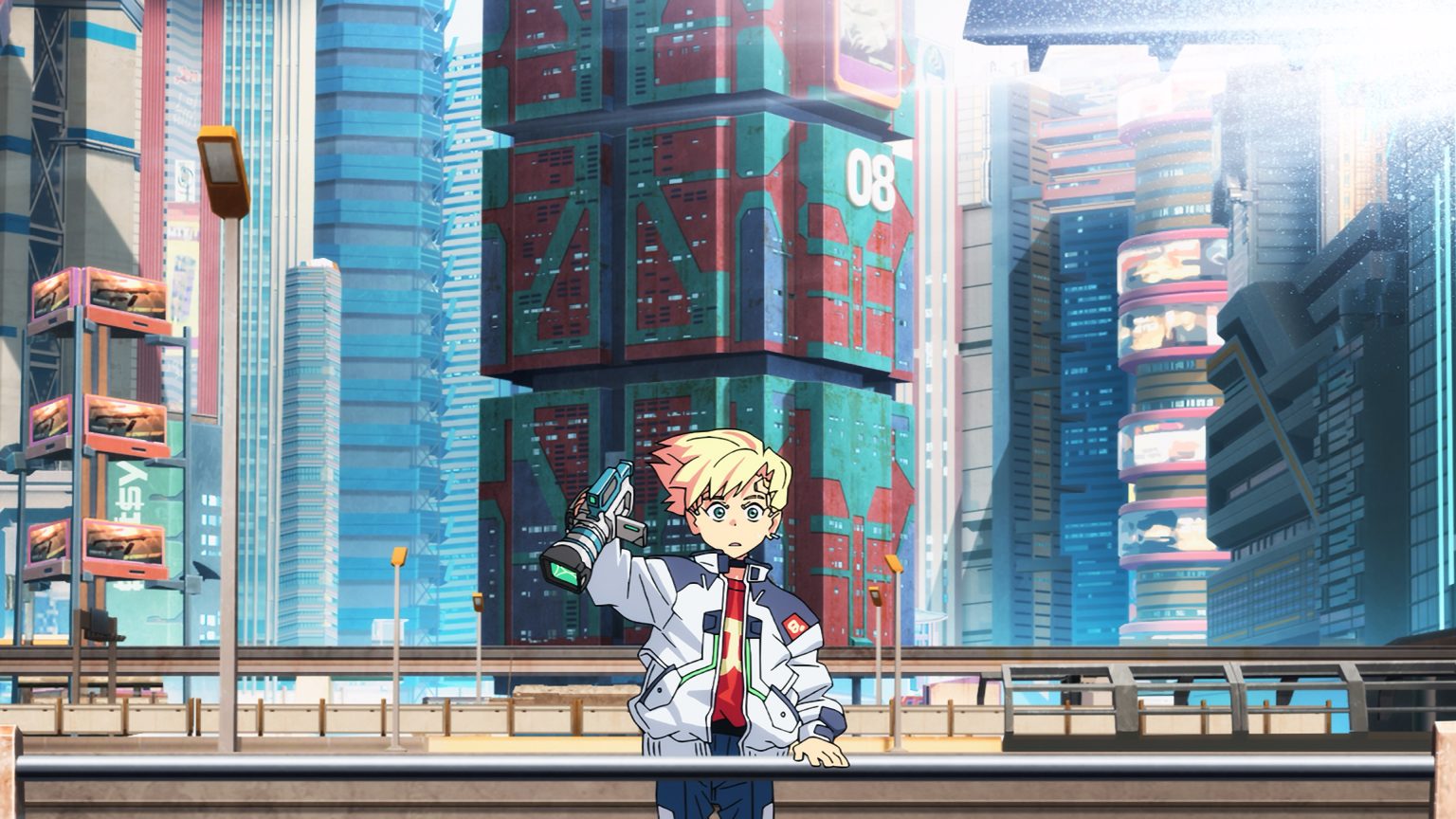
Roman (Valeria Rodriguez), the civilian catalyst who inadvertently sets the plot into motion, remains physically unscathed by the corporate warfare surrounding him. Though he fails to acquire the high-end 35mm camera he desired at the outset of the narrative, Roman continues his work as a documentarian. His survival serves as an objective lens on the reality of Night City, emphasizing that ordinary citizens must continue recording the city’s tragedies regardless of the corporate storms raging overhead.
Official Responses and Statements from Production
Following the broadcast of the Season 2 finale, key figures associated with the production addressed both the narrative choices and the future viability of the franchise. Speaking with specialized entertainment outlets, Bartosz Sztybor emphasized that CD Projekt Red enforces a rigorous quality standard for the property.
"There always needs to be a perfect story and a perfect director, artist, or a studio," Sztybor stated regarding the possibility of future installments. He added that the creative team will not rush into production simply to capitalize on brand momentum, noting, "So if the stars align and we are able to create something high quality again, then yes. If not, maybe it will be just two Edgerunners."
Voice actors such as Analesa Fisher have similarly reflected on the philosophical core of the narrative, highlighting that survival and endurance in a hyper-capitalist dystopia often constitute the ultimate form of rebellion against oppressive corporate structures.
Broader Impact and Industry Implications
The success and execution of Cyberpunk Edgerunners Season 2 underscore the viability of high-end, prestige anime adaptations within mainstream streaming strategies. By treating the source material as a foundation for original storytelling rather than a direct translation of interactive media, Netflix and CD Projekt Red have established a blueprint for video game adaptations.
Financially and culturally, the series continues to validate the long-term health of the Cyberpunk intellectual property, proving that Night City remains a fertile narrative landscape capable of supporting diverse genres, tones, and character studies. Whether the franchise will extend into a third season remains contingent on the alignment of creative talent and executive patience, but the cultural footprint of Edgerunners is firmly cemented within modern animation history.