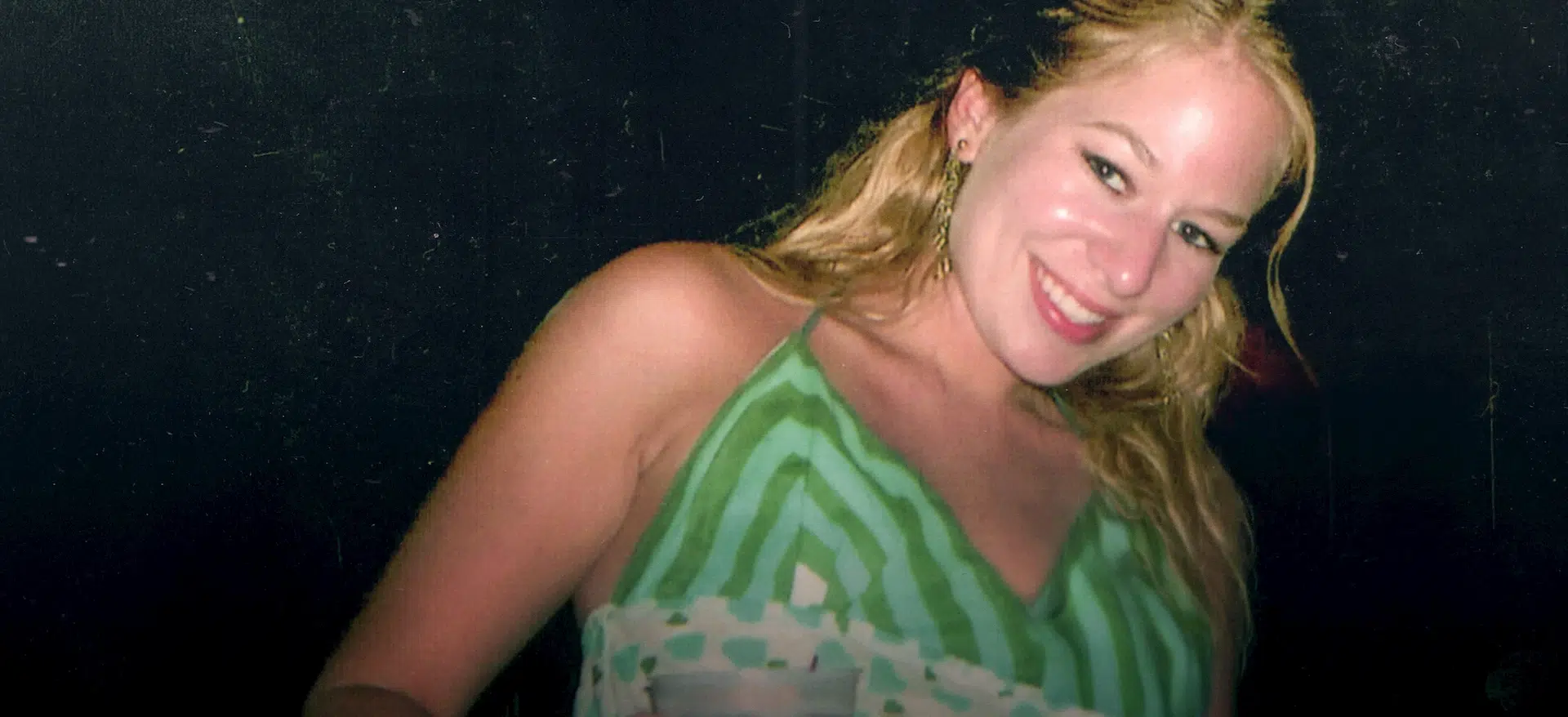
The disappearance of Natalee Holloway in May 2005 remains one of the most thoroughly investigated and deeply unsettling missing-person cases of the twenty-first century. What began as a celebratory high school graduation trip to Aruba transformed into an international media event and a multi-decade pursuit of justice. The release of Netflix’s three-part documentary series, Taken: Natalee Holloway, has once again brought this enduring tragedy into the global spotlight. Rather than solely revisiting the actions of the primary suspect, Joran van der Sloot, the documentary highlights the relentless two-decade campaign for answers led by the victim’s mother, Beth Holloway. This comprehensive examination explores the timeline of the investigation, the legal developments, the role of investigative journalism, and the broader implications of a case that continues to resonate across international borders.
Chronology of the Disappearance and Initial Investigation
In late May 2005, 18-year-old Natalee Holloway traveled from her hometown of Mountain Brook, Alabama, to Aruba alongside her high school classmates to celebrate their graduation. The trip, intended to be a brief holiday filled with leisure and socialization, took a critical turn on the final night of the itinerary, May 30, 2005.
Holloway visited Carlos’n Charlie’s, a popular local establishment in Oranjestad, where she was last seen alive in the early morning hours of May 31. Witnesses placed her in the company of several young men, including 17-year-old Joran van der Sloot, a Dutch citizen residing in Aruba, as well as local brothers Satish and Deepak Kalpoe. When Holloway failed to check out for her return flight later that morning, leaving behind her personal belongings and passport, a localized search quickly escalated into a massive international investigation.
Aruban law enforcement authorities, aided by Dutch military personnel, local volunteers, and Federal Bureau of Investigation (FBI) agents from the United States, conducted extensive searches across the island. Divers scoured coastal waters, cadaver dogs searched inland terrain, and numerous interviews were conducted with individuals last seen in Holloway’s company. Despite these exhaustive efforts, physical evidence remained sparse, and no trace of the teenager was discovered. In January 2012, an Aruban judge officially declared Holloway dead at the request of her father, Dave Holloway, though her mother strongly contested the legal maneuver. To date, her remains have never been recovered.
The Evolution of the Legal Case and Van der Sloot’s Confession
For nearly two decades, the primary focus of the investigation centered on Joran van der Sloot, who repeatedly altered his public narrative regarding the events of May 31, 2005. Over the years, Van der Sloot provided contradictory accounts to journalists, police, and private investigators, ranging from claims that he left Holloway on the beach alone to elaborate, unverified stories involving human trafficking.
The investigative stalemate persisted until October 2023, when Van der Sloot formally confessed to killing Holloway as part of a federal plea agreement in the United States. He had been extradited to the U.S. from Peru to face charges of extortion and wire fraud, stemming from an incident in 2010 wherein he attempted to extract $250,000 from Beth Holloway in exchange for false information regarding the location of her daughter’s body.
According to Van der Sloot’s 2023 judicial confession, he and Holloway had walked to a secluded beach after leaving the nightclub. He stated that after he made unwanted physical advances, Holloway resisted violently, reportedly kneeing him in the groin. Van der Sloot claimed he retaliated by kicking her in the face with a heavy blow, striking her with a concrete block, and subsequently dragging her lifeless body into the Caribbean Sea.
While the confession provided a semblance of closure for the victim’s family, it introduced significant legal complications. A confession made under a U.S. plea agreement does not automatically translate to a formal murder conviction in Aruba or the Netherlands, particularly given the absence of physical forensic corroboration.
The Role of Investigative Journalism: Peter R. de Vries
The investigation into Holloway’s disappearance was significantly impacted by the intervention of European investigative media, most notably through the work of renowned Dutch crime reporter Peter R. de Vries. In 2008, De Vries, in collaboration with associate Patrick van der Eem, deployed a hidden-camera operation that captured Van der Sloot making incriminating statements concerning Holloway’s fate.
The covert recordings showed Van der Sloot discussing the events of the night she vanished, offering details that contradicted his previous statements to law enforcement. When broadcast on Dutch television, the footage attracted millions of viewers and generated renewed international pressure on Aruban authorities. Although the broadcast did not immediately yield a prosecutable criminal case due to legal thresholds regarding entrapment and evidentiary standards, it established a precedent for investigative journalism’s role in unresolved international crimes.
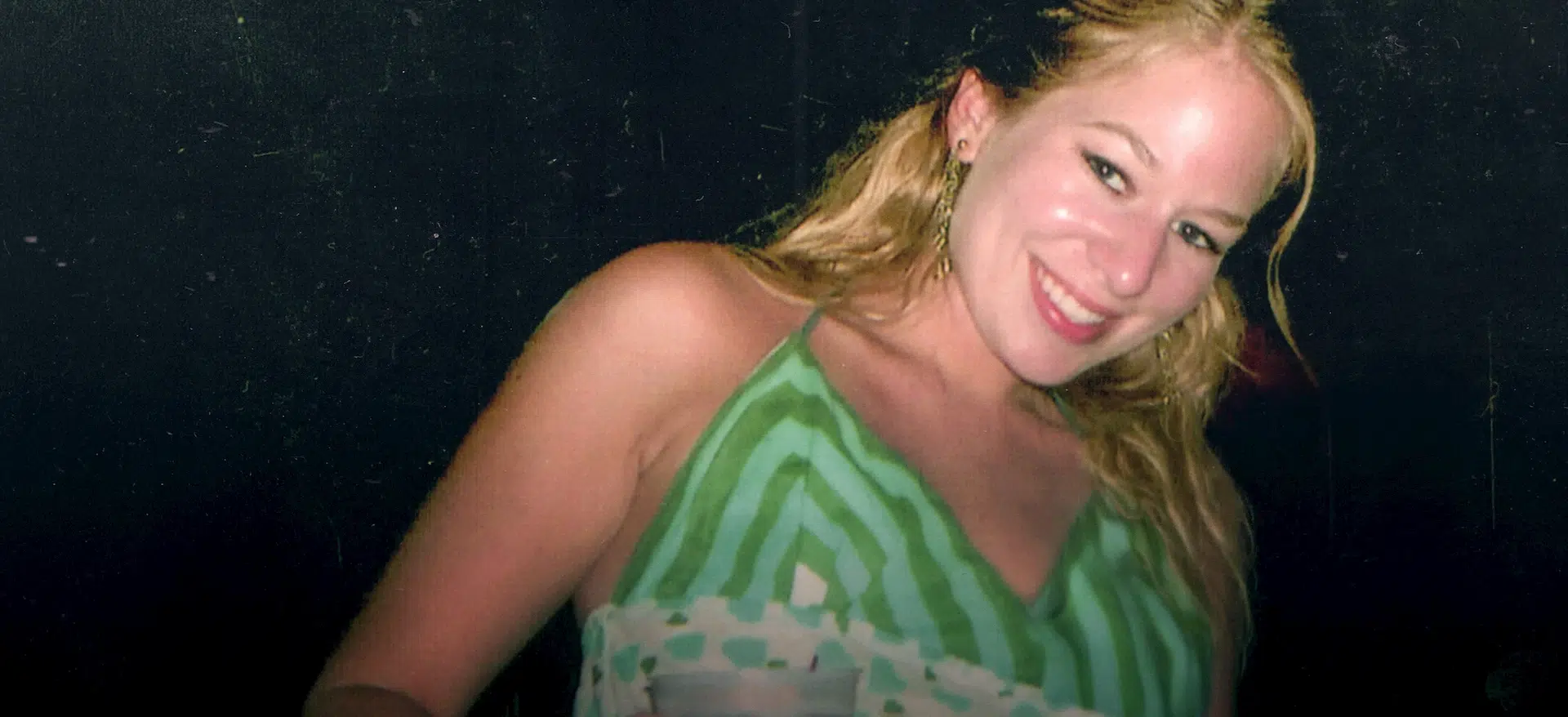
De Vries continued his high-profile career investigating organized crime until July 6, 2021, when he was shot in central Amsterdam following a television appearance. He succumbed to his injuries nine days later at the age of 64, an event that sent shockwaves through the European journalistic community and further cemented his legacy in contemporary crime reporting.
Current Status of Joran van der Sloot
Joran van der Sloot is currently incarcerated, though his imprisonment stems from a completely separate crime committed years after Holloway’s disappearance. In May 2010—coincidentally exactly five years after Holloway vanished—Van der Sloot murdered 21-year-old business student Stephany Flores Ramírez in a hotel room in Lima, Peru.
Following a swift legal process, Van der Sloot pleaded guilty and was sentenced by a Peruvian court to 28 years in prison for homicide and robbery. In August 2026, he received an additional 18-year sentence stemming from a drug trafficking case connected to prison operations.
For much of his sentence, Van der Sloot was housed in Challapalca, a high-security prison situated in the Peruvian Andes known for its extreme altitude and austere conditions. Following reported mental health struggles and institutional transfers driven by facility renovations, he was subsequently relocated to Cochamarca prison in the Pasco region of Peru. Now 39 years old, Van der Sloot faces a cumulative prison term that ensures he will remain incarcerated for decades before any potential consideration for release or extradition.
Official Responses, Family Reactions, and Ongoing Legal Actions
The enduring impact of the case extends deeply into the lives of the relatives of those involved. Beth Holloway established the Natalee Holloway Resource Center, dedicated to helping families of missing persons, and has spent the past twenty years advocating for legal reforms in international missing persons cases. Following Van der Sloot’s 2023 confession, she publicly stated that the admission brought a definitive conclusion to one chapter of her ordeal, though the inability to recover her daughter’s remains leaves an unresolvable void.
Joran’s parents also faced profound personal fallout. His father, Paul van der Sloot, an Aruban legal professional, died suddenly of a heart attack in February 2010 at age 57 amid mounting public scrutiny. His mother, Anita Hugen, who taught art at the International School of Aruba until her retirement in 2024, publicly distanced herself from her son following the murder of Stephany Flores, stating in interviews that her son bore full responsibility for his actions and that she would not provide him with familial shelter from the consequences of his crimes.
Despite Van der Sloot’s confession, formal criminal accountability for Holloway’s death remains an active legal objective. In early 2026, Beth Holloway filed an official criminal complaint in the Netherlands seeking to initiate prosecution against Van der Sloot under Dutch jurisdiction. In April 2026, prosecutors in Aruba agreed to transfer the comprehensive case file to the Dutch Public Prosecution Service to evaluate whether charges could be brought.
Implications and Analysis of Cross-Border Jurisprudence
The pursuit of justice in the Holloway case highlights the complexities of international criminal law and jurisdictional limits. Because the alleged crime occurred on Aruban territory—a constituent country of the Kingdom of the Netherlands—by a Dutch citizen, the case involves intricate questions regarding extradition, dual criminality, and statutes of limitations.
Under Aruban law, the statute of limitations for manslaughter has lapsed, presenting a significant hurdle for local prosecution. However, Dutch legal frameworks occasionally permit extraterritorial prosecution of citizens for severe offenses committed abroad, provided specific legal thresholds are met. Legal experts note that while the confession provides moral closure, translating it into a valid murder conviction requires overcoming substantial procedural and evidentiary hurdles.
The ongoing legal maneuverings underscore the persistent challenges victims’ families face when crimes cross international jurisdictions. As documentaries like Netflix’s Taken: Natalee Holloway reexamine the archive of evidence, the case remains a watershed moment in the intersection of true-crime media, global public interest, and the persistent machinery of international justice.